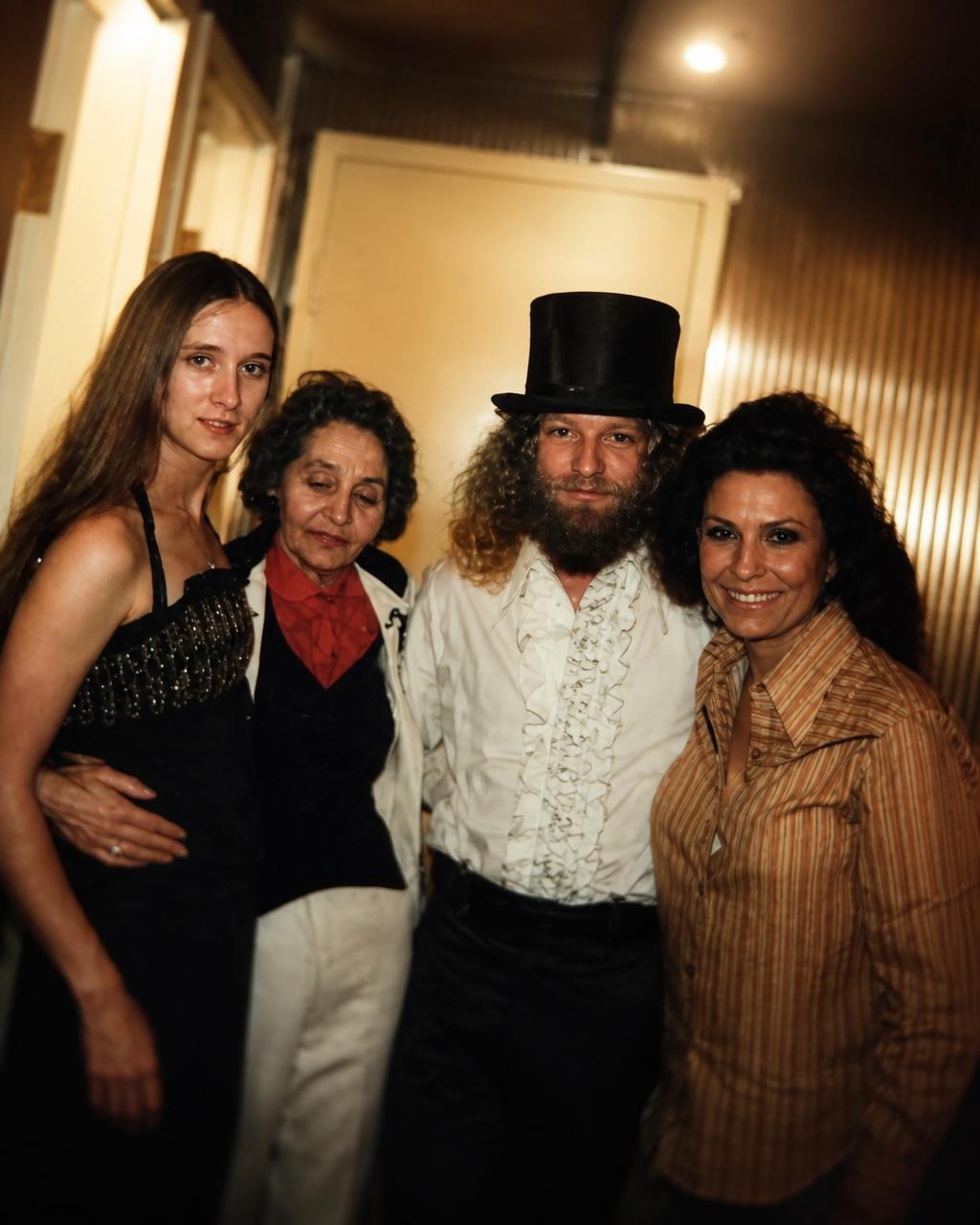
Jack Benny Lynn Never Chased Loretta Lynn’s Fame
Jack Benny Lynn grew up in the shadow of one of country music’s biggest stars, but he never seemed interested in stepping into the spotlight himself. While Loretta Lynn toured the country and built a legend that reached far beyond Tennessee, Jack stayed close to home. He worked as a blacksmith, looked after horses, and lived a quieter life at the family ranch in Hurricane Mills.
That choice made him stand out in a different way. He was not the son who followed his mother onto a stage. He was the son who stayed with the land, the animals, and the daily rhythms of family life. Loretta Lynn later said Jack was the child she felt “most sentimental about,” a phrase that still carries weight because it feels so personal and so tender.
The Ranch That Held the Family Together
Loretta Lynn bought Hurricane Mills as a place where her family could stay close. The ranch became more than property; it became home, work, and memory all at once. For a family known across America, it offered a private center of gravity. Jack Benny Lynn helped keep that world running, working around horses and staying rooted in the place his mother had chosen for them.
But places can hold both comfort and sorrow. On July 22, 1984, Jack Benny Lynn set out on horseback and tried to cross the rain-swollen Duck River on the family property. He was 34 years old. He never made it back home. His body was later recovered from the river.
A Mother Far Away When the News Came
At the time, Loretta Lynn was not at the ranch. She was on tour and recovering in an Illinois hospital after collapsing from exhaustion. When the news reached her, it did not arrive as a headline or a public statement. Doolittle traveled from Tennessee to tell her in person.
The family’s pain was immediate and devastating. Patsy later remembered, “She tore to pieces. They were very close.” It is a simple sentence, but it says everything about the bond between mother and son. Loretta Lynn had spent a lifetime surviving hardship, but no amount of fame could prepare her for that loss.
“She tore to pieces. They were very close.”
What the Story Leaves Behind
Jack Benny Lynn’s life was not built for applause. It was built around work, home, and the quiet dignity of staying near what mattered to him. That may be why his story still moves people: he was not trying to become a legend. He was simply living inside one.
The tragedy at Hurricane Mills also gave the family’s story a harder edge. The land Loretta Lynn had bought to keep everyone close became the place where she lost her son. It is one of those heartbreaks that feels almost too cruel to explain.
Fame had taught Loretta Lynn how to endure public pressure, endless travel, and a life lived under bright lights. It could not teach a mother how to bury her boy. And for all the songs, tours, and awards that followed, that loss remained part of the story too.