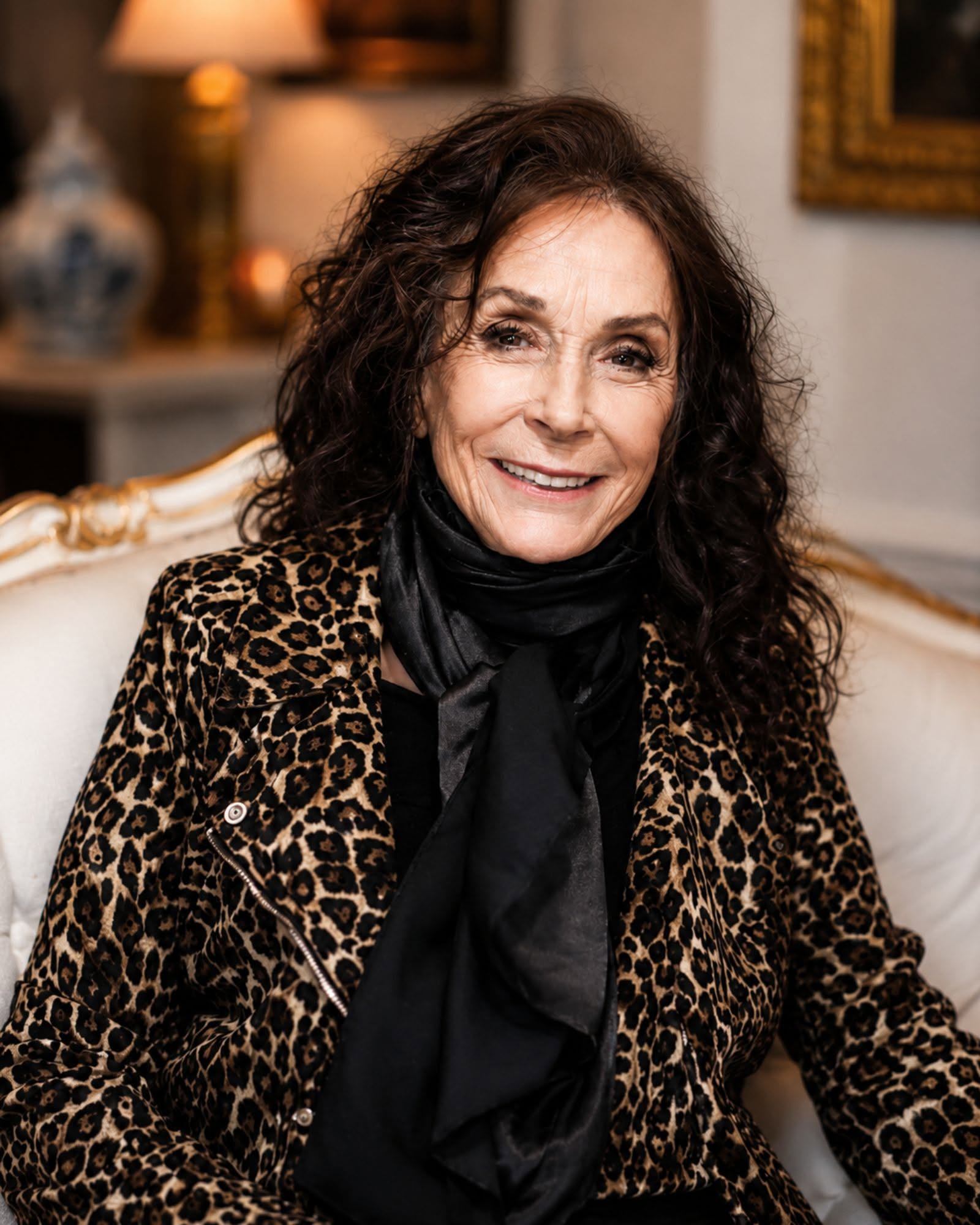
ON OCTOBER 4, 2022, A 90-YEAR-OLD WOMAN DIED IN HER SLEEP, IN HER OWN BED, ON LAND SHE OWNED IN HURRICANE MILLS, TENNESSEE — A FEW HUNDRED FEET FROM A CABIN SHE HAD BUILT AS A COPY OF THE ONE SHE WAS BORN IN. Doo had been gone twenty-six years by then. They had been married forty-eight. Of the six children, she had already buried two. Loretta Webb was born in Butcher Hollow, Kentucky, in 1932, one of eight. The walls of the cabin were papered with pages torn from a Sears catalog. She married a twenty-one-year-old veteran a month after meeting him. She was fifteen. She told it for fifty years as thirteen, and it took a wire-service reporter going through Kentucky state records in 2012 to correct her. She had four children before she was twenty. She was a logging-camp housewife in Custer, Washington, when her husband handed her a guitar. In 1960 she cut “I’m a Honky Tonk Girl” for a label nobody had heard of. Then she and Doo got in a car and drove the country, station to station, handing the record across the desk and asking the man behind it to please play her. Twelve years later, the men behind those desks were refusing. “Rated X.” “The Pill.” Pulled from playlists, banned outright in places. She kept turning them in anyway. The records sold regardless, because the women buying them had heard nobody say those things out loud before. In 1972 country music named her Entertainer of the Year. No woman had ever held it. The song that gave her a name was about her father, who worked the mines and did not live to see fifty-two. She wrote it eleven years after he died. She sang it for the next fifty, and said near the end that she’d have given anything for him to hear it once.

Loretta Lynn and the Long Road Home

On October 4, 2022, Loretta Lynn died in her sleep at 90 years old in the home she loved on land she owned in Hurricane Mills, Tennessee. It was a quiet ending to a life that had never been quiet at all. A few hundred feet away stood the cabin she had built as a copy of the one where she was born, a reminder that even after fame, the past never really left her.

Loretta Lynn was born Loretta Webb on April 14, 1932, in Butcher Hollow, Kentucky. She grew up in a coal-mining family, one of eight children, in a place where money was scarce and hard work was expected. The story of her childhood became part of American music history, but the facts themselves already sounded like a song: a small cabin, a rough life, and a young girl who learned early how to hold her own.

At 15, she married Oliver Lynn, often called Doo, after knowing him for only a month. For years, Loretta Lynn told the story differently, saying she was 13. Later records corrected the age, but the deeper truth remained: she was still very young, and the life that followed moved fast. By the time she was 20, she had already become a mother of four.

In the late 1950s, while living in Custer, Washington, as a logging-camp housewife, Oliver Lynn gave her a guitar. That gift changed everything. Loretta Lynn began writing and singing about the world she knew, not the polished version of it, but the real one. In 1960, she recorded “I’m a Honky Tonk Girl” for a small label, and she and Oliver Lynn drove from station to station across the country, asking radio hosts to play it.

The song was only the beginning. Loretta Lynn kept writing with honesty that felt radical because it was so plain. She sang about marriage, childbirth, poverty, and the frustrations women carried in silence. Some stations resisted her records, but listeners did not. Women heard themselves in her voice, and they kept buying the records.

In 1972, country music gave Loretta Lynn one of its highest honors: Entertainer of the Year. She was the first woman to receive it. That recognition came after years of persistence, years of songs that challenged what country music was allowed to say out loud.

She did not just sing about her life. She turned it into a voice that could reach people who had never been given one.

One of Loretta Lynn’s most beloved songs, “Coal Miner’s Daughter,” told the story of her father, who worked in the mines and died before he was 52. She wrote it years after his death, but it carried the feeling of a memory that had never faded. Near the end of her life, she said she would have given anything for him to hear it once.

That is what made Loretta Lynn unforgettable. She rose from a small Kentucky cabin to the top of country music, but she never pretended to come from anywhere else. Her life was hard, her voice was direct, and her legacy was built on truth. Even now, the cabin at Hurricane Mills stands as a quiet echo of where it all began.


You Missed

ON OCTOBER 4, 2022, A 90-YEAR-OLD WOMAN DIED IN HER SLEEP, IN HER OWN BED, ON LAND SHE OWNED IN HURRICANE MILLS, TENNESSEE — A FEW HUNDRED FEET FROM A CABIN SHE HAD BUILT AS A COPY OF THE ONE SHE WAS BORN IN. Doo had been gone twenty-six years by then. They had been married forty-eight. Of the six children, she had already buried two. Loretta Webb was born in Butcher Hollow, Kentucky, in 1932, one of eight. The walls of the cabin were papered with pages torn from a Sears catalog. She married a twenty-one-year-old veteran a month after meeting him. She was fifteen. She told it for fifty years as thirteen, and it took a wire-service reporter going through Kentucky state records in 2012 to correct her. She had four children before she was twenty. She was a logging-camp housewife in Custer, Washington, when her husband handed her a guitar. In 1960 she cut “I’m a Honky Tonk Girl” for a label nobody had heard of. Then she and Doo got in a car and drove the country, station to station, handing the record across the desk and asking the man behind it to please play her. Twelve years later, the men behind those desks were refusing. “Rated X.” “The Pill.” Pulled from playlists, banned outright in places. She kept turning them in anyway. The records sold regardless, because the women buying them had heard nobody say those things out loud before. In 1972 country music named her Entertainer of the Year. No woman had ever held it. The song that gave her a name was about her father, who worked the mines and did not live to see fifty-two. She wrote it eleven years after he died. She sang it for the next fifty, and said near the end that she’d have given anything for him to hear it once.