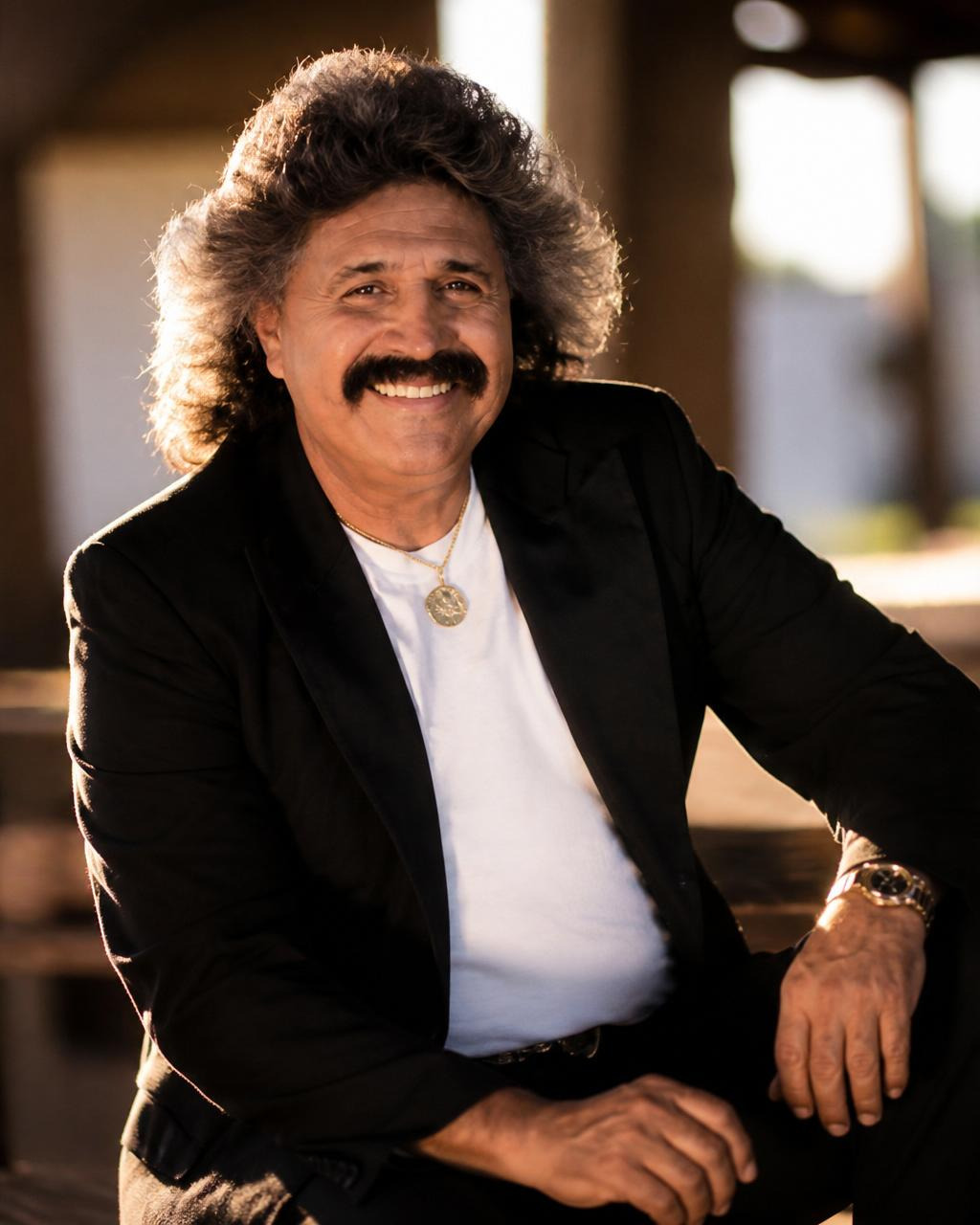
He Wrote the Song in 1959, Went to Prison, and 16 Years Later It Hit Number One
Before the name Freddy Fender became known to millions, there was a boy from San Benito, Texas named Baldemar Huerta. He was the kind of kid who grew up close to the truth of hard work, long days, and small dreams that somehow still dared to feel big. At just 10 years old, he was already singing on the radio, and people could hear something special in his voice long before the world gave him a famous stage.
But fame did not arrive in a straight line. In 1959, Baldemar Huerta wrote a song called “Wasted Days and Wasted Nights”, a bluesy heartbreak ballad full of regret, longing, and the feeling that life was slipping by too fast. The song had emotion in every line. It sounded lived-in, as if it had come from someone who knew loss personally. For a moment, it looked like the song might begin the kind of success story singers dream about.
Then everything fell apart.
Baldemar Huerta was arrested on marijuana-related charges and later convicted. He served three and a half years in prison. While many singers build a career step by step, Baldemar Huerta had his path ripped away before it could fully begin. The momentum was gone. The stage lights went dark. The labels stopped calling. The dream did not just pause; it disappeared.
When he got out, there was no grand comeback waiting for him. No packed theater. No contract on the table. Instead, he went to work as a mechanic. During the week, he fixed cars and tried to build a normal life. On weekends, he played in small bars where people listened if they were in the mood, and ignored him if they were not. The man who had written a song with the power to haunt people was, for years, just another working man trying to keep his head above water.
And yet the music never left him.
That is what makes the story of Freddy Fender so unforgettable. Talent can be buried, delayed, and doubted, but it does not always disappear. In 1975, producer Huey P. Meaux found Fender and believed the old song deserved another chance. He convinced him to re-record “Wasted Days and Wasted Nights”, and this time the timing was different. The world was ready to feel what the song had been carrying all along.
The Comeback That Changed Everything
When the re-recorded version was released, it did not just do well. It soared. “Wasted Days and Wasted Nights” hit number one on the Billboard Country chart, climbed to number eight on the Hot 100, and sold more than one million copies. In New Zealand, it stayed at number one for 12 straight weeks, becoming the longest-running chart-topper of its era there.
That kind of success would have been remarkable for any artist. For Freddy Fender, it was almost unbelievable. He was nearly 40 years old, an age when many singers are already looking back instead of moving forward. But Fender’s second act proved that a late start is still a start, and a lost dream can return with more force than before.
The Academy of Country Music noticed too, naming him Most Promising Male Vocalist. The title felt almost poetic because Freddy Fender was not truly a newcomer. He was a survivor. He had lived through the long silence between writing the song and finally hearing the world embrace it.
Some songs feel written for a moment. Others wait years for the right listener. “Wasted Days and Wasted Nights” was one of the rare songs that needed time to become what it was always meant to be.
Why the Song Still Hits So Hard
The reason “Wasted Days and Wasted Nights” still cuts deep is not just the melody. It is the feeling behind it. The lyrics carry regret, but also honesty. They speak to anyone who has looked back and wished time had been used better, love had been handled more carefully, or chances had not been wasted.
That is why Freddy Fender’s story matters so much. It is not only a story about a hit record. It is a story about loss, patience, second chances, and the strange way life sometimes rewards people only after they have been forced to wait the longest.
Baldemar Huerta became Freddy Fender, but the heart behind the voice never changed. The boy from San Benito who sang on the radio at 10 grew into the man who turned pain into a timeless hit. And after prison, after silence, after years of fixing cars and playing small bars, that voice finally reached the whole world.
He wrote the song in 1959. He went to prison. He started over. And 16 years later, the world made it a number one hit.
That is not just a music story. That is a reminder that some dreams take the long road home.