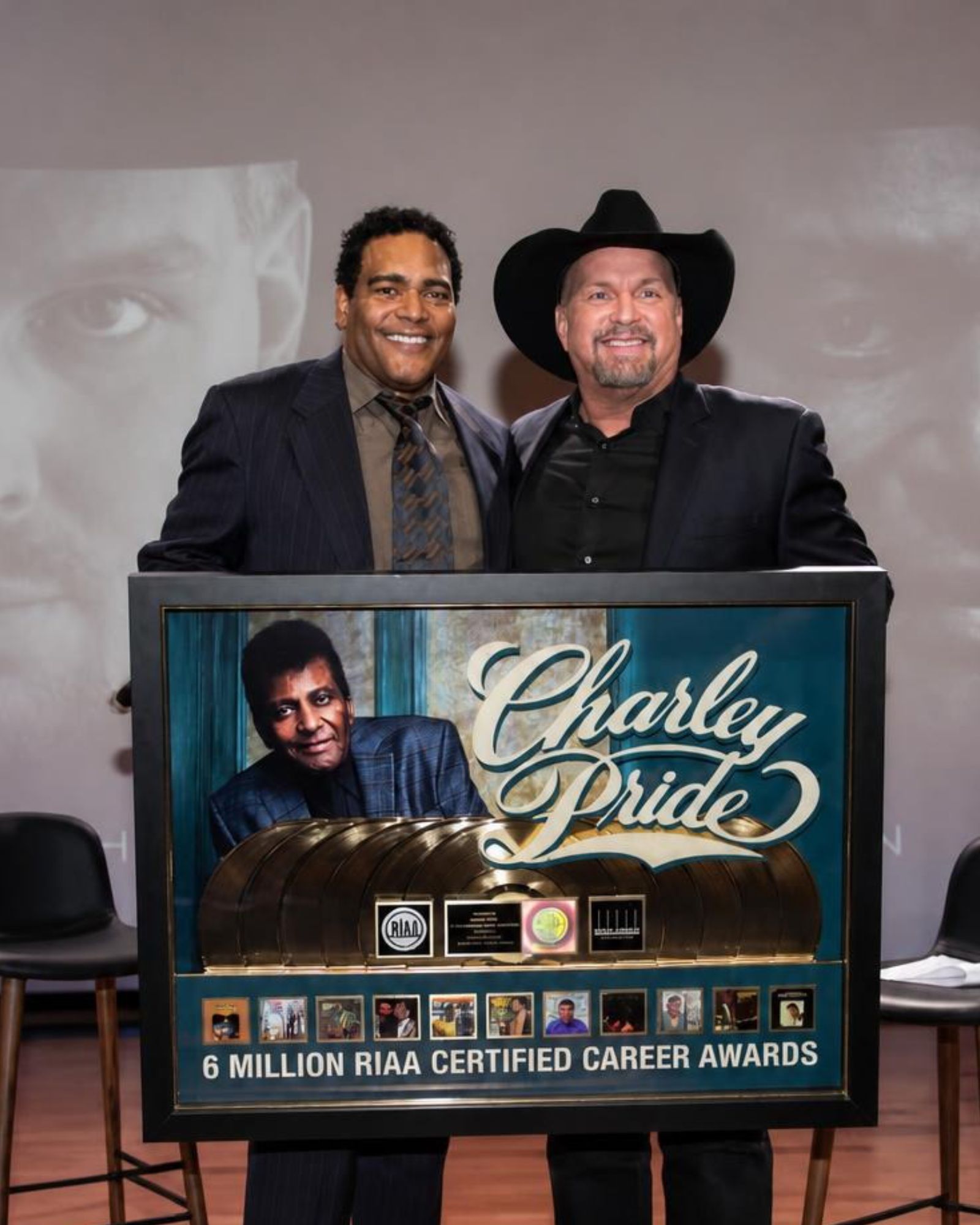
Garth Brooks, Charley Pride, and the Song He Refused to Rush
For years, Garth Brooks carried a quiet regret. He had held onto “Where the Cross Don’t Burn” for so long because he wanted Charley Pride to sing it with him. Not for a quick feature, and not for a passing moment. Garth Brooks wanted it to mean something. He wanted the duet to feel earned.
That kind of patience can be noble, but it can also become a trap. Garth Brooks waited. And waited. Ten years passed. The song stayed with him, and the chance to finish it with Charley Pride kept slipping just far enough away to feel permanent.
Then came the false report online that Charley Pride had died. Garth Brooks reacted the way many people do when shock hits first: he slammed his laptop shut. In that instant, the wait felt like a mistake. Garth Brooks told Trisha Yearwood that he had blown his chance to do something truly meaningful with Charley Pride.
But the report was a hoax. Charley Pride was still alive. The fear was real, though, and it changed something for Garth Brooks. Sometimes a false alarm does what years of hesitation cannot. It makes the heart move.
So Garth Brooks stopped waiting.
The duet that finally happened
Charley Pride joined Garth Brooks in the studio, and the duet became part of Fun, the album released on November 20, 2020. The recording gave the song a weight that only time could create. It was not just another collaboration. It was a long-delayed moment between two country music greats, finally captured while there was still time.
Only 22 days later, Charley Pride died in Dallas from complications related to COVID-19. He was 86. The timing made the duet feel even more fragile in hindsight, as if the record had arrived just before the door closed.
That is what gives this story its sting. Garth Brooks had already imagined the worst once. He had already sat with the feeling that he might be too late. In the end, he was not too late at all. The song was made, the voices were joined, and Charley Pride’s presence was preserved in the music.
What remains
There is something deeply human in the way Garth Brooks responded. He did not turn the moment into a spectacle. He felt regret, then acted. He heard a warning, even if it came from a lie, and he made the call that mattered.
In country music, timing often shapes memory as much as talent does. This time, timing was kind enough to leave one finished song behind. And for Garth Brooks, that meant the difference between a regret he would carry forever and a duet he could always point to with gratitude.
Garth Brooks thought he had missed his chance. Thankfully, he hadn’t. Charley Pride sang. The record was made. And the song survived the silence that nearly kept it unfinished.