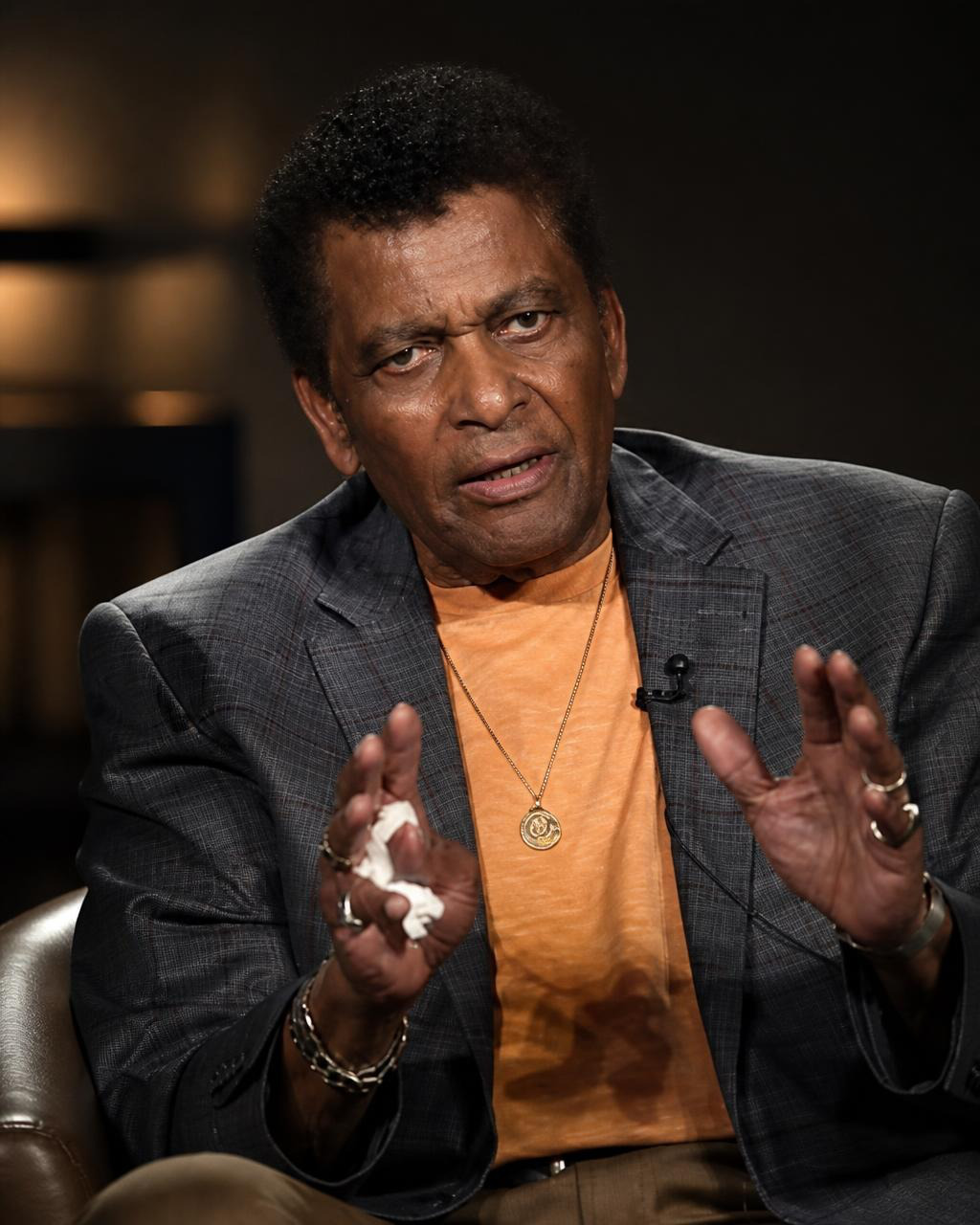
What Charley Pride Left Behind Wasn’t Fame — It Was the Quiet Belief That You Are Enough, Just as You Are
When Charley Pride died on December 12, 2020, at the age of 86, the headlines rightly honored the voice, the records, and the history he made in country music. But fame was never the deepest part of his story. What he left behind was quieter, and maybe more lasting: a steady kind of confidence that did not need permission from the world.
Charley Pride was born in Sledge, Mississippi, on a cotton farm, the son of a sharecropper, one of eleven children. He grew up working in the fields and listening to country music on a radio, learning early that hard work did not cancel dignity. That truth stayed with him for life. He did not talk as if his beginnings were something to escape. He spoke as if they were proof that a person can come from humble ground and still stand tall.
In that way, Charley Pride became more than a performer. He became a kind of example. He rose to become country music’s first Black superstar, but he never seemed interested in turning success into a costume. He remained Charley Pride — direct, grounded, and unmistakably himself. He once said, in effect, that he was simply Charley Pride, and that was enough. That attitude was not arrogance. It was peace.
A Lesson That Reached Beyond Music
For many people, the lasting power of Charley Pride was not only in songs like “Kiss an Angel Good Morning” or “Is Anybody Goin’ to San Antone.” It was in the way he carried himself. He showed that being yourself is not a fallback position. It is a strength. He reminded people, especially children, that life does not have to be lived as a constant audition.
That message matters because so many people spend years comparing themselves to someone else. Charley Pride seemed to understand that trap and quietly step around it. He suggested, through both his words and his life, that time spent chasing another person’s identity is time taken away from your own.
His story also carried a deeper kind of courage. He moved through an industry that was not always ready for him, yet he did not seem interested in becoming somebody else to fit in. He trusted his own voice. He trusted his own path. And because he did, millions of listeners learned to trust him back.
The Steady Gift He Left Behind
What Charley Pride left his children, and what he leaves to anyone who still listens closely, is not a flashy philosophy. It is simpler. Be yourself. Do not shrink. Do not borrow another person’s life. You do not have to become louder, richer, or more celebrated in order to matter.
That is why Charley Pride still feels present. His legacy is not only that he reached the top, but that he did it without abandoning the boy he had been in the cotton fields of Mississippi. He became famous, yes. But what he really gave the world was something steadier than fame: the quiet belief that you are enough, just as you are.
Which Charley Pride song still stops you in your tracks?