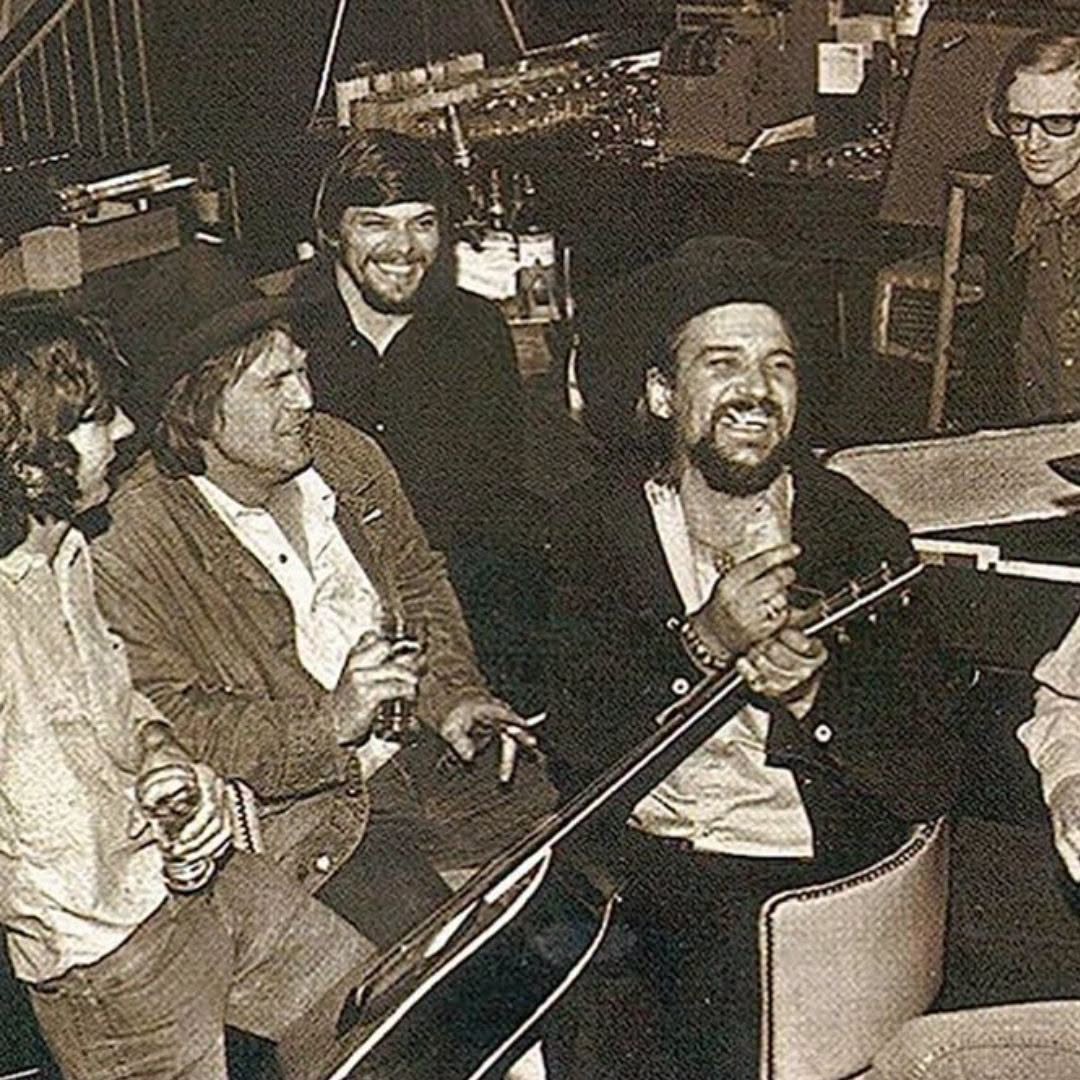
Waylon Jennings tried to send Billy Joe Shaver away with a hundred-dollar bill. Billy Joe Shaver refused the money and threatened to whip Waylon Jennings in front of everybody.
It sounds like the beginning of a barroom fight. Instead, the confrontation helped produce one of the most important albums in outlaw country history: Honky Tonk Heroes.
And behind that famous confrontation was a promise Billy Joe Shaver had spent months trying to make Waylon Jennings keep.
A Promise Made in Texas
In 1972, Billy Joe Shaver attended the Dripping Springs Reunion music gathering in Texas. During an informal backstage gathering, musicians were passing around a guitar and singing songs.
Billy Joe Shaver performed an original composition called “Willy the Wandering Gypsy and Me.”
Waylon Jennings heard something special in the song. After learning that Billy Joe Shaver had written it, Waylon Jennings wanted to record it.
According to Billy Joe Shaver’s later recollections, Waylon Jennings even offered to record an entire album of Billy Joe Shaver’s songs.
For a songwriter still struggling to establish a career in Nashville, that was an extraordinary opportunity.
But the promise soon became a source of frustration.
Back in Nashville, Billy Joe Shaver repeatedly tried to contact Waylon Jennings. The calls went unanswered. Weeks became months, and the promised recording sessions never materialized.
Billy Joe Shaver eventually decided that waiting was no longer enough.
The $100 That Billy Joe Shaver Refused
With help from Nashville disc jockey Roger “Captain Midnight” Schutt, Billy Joe Shaver managed to get into a recording studio where Waylon Jennings was working.
According to Billy Joe Shaver’s account, Waylon Jennings did not welcome the unexpected visit.
Instead of meeting with the songwriter, Waylon Jennings sent Captain Midnight with a folded hundred-dollar bill and a message to leave.
Billy Joe Shaver was struggling financially, but the money was not what Billy Joe Shaver had come for.
Billy Joe Shaver refused the offer.
When Waylon Jennings finally appeared, Billy Joe Shaver confronted the country star in a hallway crowded with people, including members of Waylon Jennings’s entourage.
Billy Joe Shaver threatened to whip Waylon Jennings in front of everyone unless Waylon Jennings agreed to listen to the songs.
Waylon Jennings was angry, but the confrontation did not turn into a fight.
Instead, Waylon Jennings took Billy Joe Shaver into another room and offered one chance.
One song. If Waylon Jennings didn’t like it, the meeting would be over.
The Songs That Changed Waylon Jennings’s Mind
Billy Joe Shaver began with “Ain’t No God in Mexico,” according to Billy Joe Shaver’s recollection.
Waylon Jennings asked to hear another.
Billy Joe Shaver continued with more material, including “Old Five and Dimers (Like Me).”
Eventually, Billy Joe Shaver performed “Honky Tonk Heroes.”
In a 2017 interview with The Washington Post, Billy Joe Shaver remembered the expression on Waylon Jennings’s face after hearing the title song.
Billy Joe Shaver recalled Waylon Jennings responding:
“Damn it. I know what I got to do now.”
The words stayed with Billy Joe Shaver for decades.
The two musicians later remembered some details of the audition differently, including which song came first. But the outcome was unmistakable.
Waylon Jennings had finally heard the songs, and the promised album was becoming a reality.
Nine Songs and a Country Music Landmark
In 1973, Waylon Jennings released Honky Tonk Heroes, featuring nine songs written or co-written by Billy Joe Shaver among the original album’s ten tracks.
The record included “Honky Tonk Heroes,” “Black Rose,” “Old Five and Dimers (Like Me),” and “Ain’t No God in Mexico.”
At a time when Nashville record companies frequently controlled musicians, arrangements, and production decisions, Waylon Jennings was fighting for greater artistic freedom.
The songs of Billy Joe Shaver fitted that ambition. The lyrics were rough-edged, conversational, funny, and sometimes painfully direct. Waylon Jennings brought the distinctive voice and sound that made those songs reach a much wider audience.
Honky Tonk Heroes became one of the defining records of the growing outlaw country movement.
For Billy Joe Shaver, the album established a songwriting reputation that would endure for decades. For Waylon Jennings, it became a defining chapter in a career increasingly shaped by artistic independence.
And it all followed a remarkable encounter in Nashville: a struggling songwriter who refused a hundred dollars, a country star who finally agreed to listen, and a collection of songs too good to ignore.