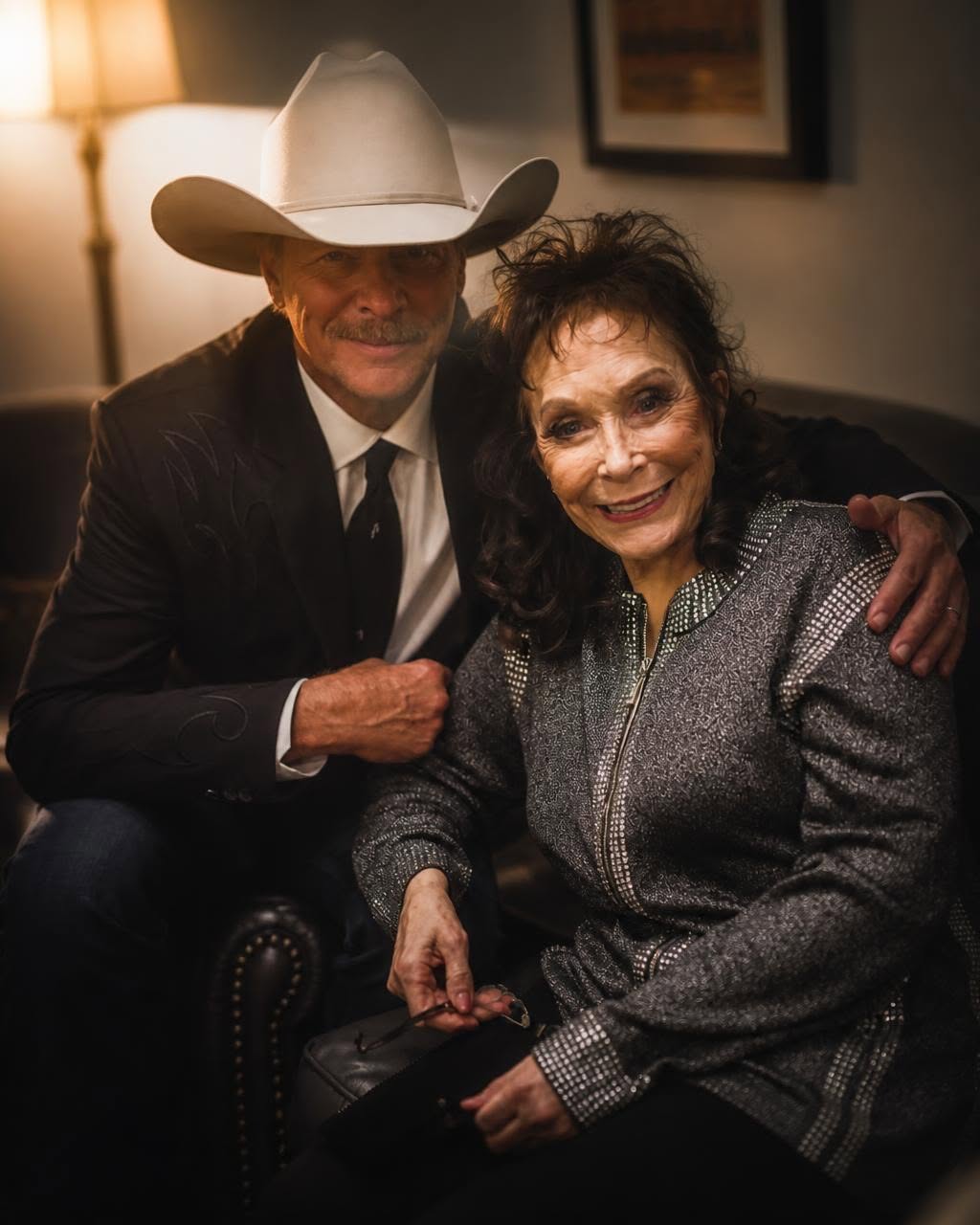
When the Grand Ole Opry Said Goodbye to Loretta Lynn
On October 4, 2022, Loretta Lynn died at her home in Hurricane Mills, Tennessee, at age 90. For fans of country music, the loss felt personal. Loretta Lynn was never just a star on a stage. She was the voice of a woman who had lived hard, worked young, raised children early, and turned real life into songs that did not ask for permission.
Born in Kentucky and raised in poverty, Loretta Lynn came from coal country and carried that history with her for the rest of her life. She married young, became a mother while still barely grown herself, and taught herself guitar on a cheap instrument. From those beginnings, she built a career by singing about marriage, heartbreak, pride, survival, and the private struggles many women recognized but rarely heard in country radio.
Her first No. 1 hit, “Don’t Come Home A-Drinkin’,” helped define that honesty. So did songs like “You Ain’t Woman Enough,” “Coal Miner’s Daughter,” and “The Pill.” Loretta Lynn wrote and sang with a directness that made some listeners uncomfortable and made many others feel seen. She became one of the Grand Ole Opry’s most beloved members, and over time her life story became part of American music history.
A Night Built on Memory
On October 30, 2022, family, friends, fans, and fellow artists gathered at the Grand Ole Opry House in Nashville for a public celebration of her life and music. The evening was filled with tributes that reflected the many sides of Loretta Lynn: the trailblazer, the songwriter, the performer, and the woman who never lost her plainspoken Kentucky edge.
George Strait performed “Don’t Come Home A-Drinkin’.” Tanya Tucker sang “Blue Kentucky Girl.” Keith Urban shared a memory and played a voicemail Loretta Lynn had once left him before performing “You’re Lookin’ at Country.” Each performance felt like a story being handed back to the woman who had first told it.
Then Alan Jackson stepped forward.
Alan Jackson’s Quiet Tribute
Instead of choosing one of Loretta Lynn’s best-known hits, Alan Jackson sang “Where Her Heart Has Always Been,” a song he had written after losing his own mother. It was a deeply personal choice, and that was exactly why it worked. Before he sang, Alan Jackson explained that Loretta Lynn had reminded him of his mother: sweet, genuine, outgoing, and never afraid to tell you exactly what she thought.
Some tributes sound grand. This one felt intimate.
That was the emotional center of the night. Loretta Lynn had spent decades being called the Coal Miner’s Daughter, but in that moment, the memory felt simpler and warmer. Alan Jackson was not only honoring a legend. He was honoring a woman who had become family in the hearts of so many listeners.
The Grand Ole Opry has hosted plenty of unforgettable nights, but this one stood apart because it was built on gratitude. The songs were familiar, but the feeling was deeper than nostalgia. It was about a life that rose from hardship, changed country music, and left behind a trail of honesty that still matters.
For one evening, the Opry was not just a stage. It was a place to say thank you. And for Loretta Lynn, that was the kind of goodbye she had earned.