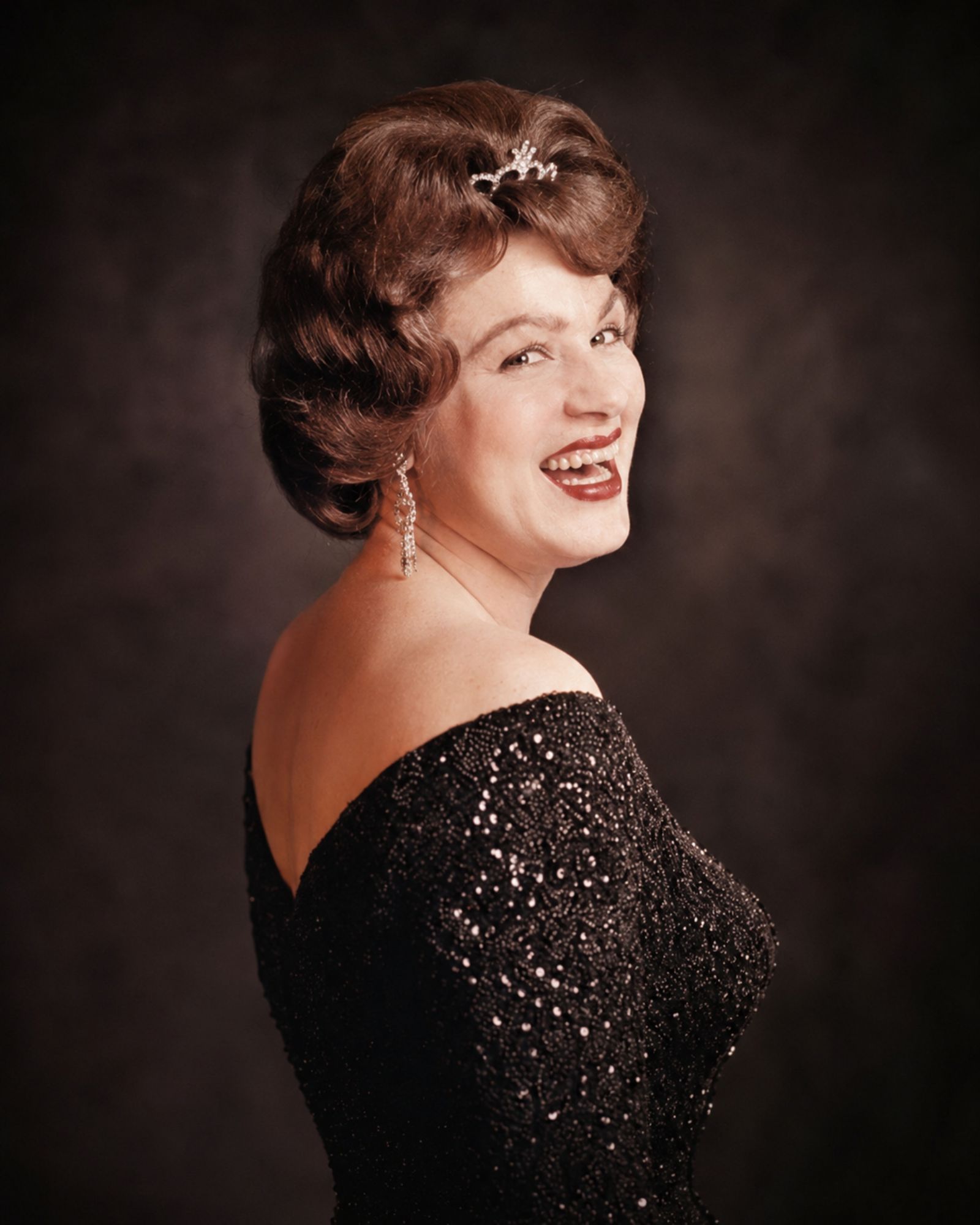
She Had Barely Three Years at the Center of Country Music. Sixty Years of Influence. Do the Math.
Patsy Cline grew up in Winchester, Virginia, singing in roadhouses before she was old enough to belong inside them. Her father left when she was fifteen. Her family was poor in a way that made every dream feel expensive. Still, she kept listening to the radio, learning how to shape a song, and deciding that her voice was meant for more than a small-town life that had already started to close in around her.
Nashville did not roll out a welcome mat. Patsy Cline auditioned, got rejected, and auditioned again. Some people heard too much country in her voice. Others heard too much pop. Some thought she was too emotional, too bold, too much woman for the room she was walking into. Patsy Cline did not change the facts of who she was. She just kept showing up.
The Breakthrough That Changed Everything
Then came “Walkin’ After Midnight,” the kind of song that makes people stop what they are doing and listen a little harder. It was the first real proof that Patsy Cline was not just another hopeful singer passing through Nashville. She had a voice that sounded lived-in, even then. It carried loneliness without sounding fragile, and confidence without sounding cold.
After that came “I Fall to Pieces,” a song that turned heartbreak into something almost theatrical, but never fake. Patsy Cline made sadness feel honest. She did not perform emotion from a distance. She stepped right into it. That was part of the magic. People believed her because she believed every line she sang.
Then came the accident. A serious car crash left Patsy Cline in pain, and even while recovering, she kept working. She was not the kind of artist who waited for life to become convenient. She entered the studio and recorded “Crazy,” Willie Nelson’s song that would become one of the most beloved performances in country music history. Patsy Cline did not sing it like a novelty or a hit. She sang it like someone standing at the edge of a feeling too large to name.
“Crazy” did not succeed because it was polished. It succeeded because Patsy Cline made every word ache in a way that felt deeply human.
Three Years in the Spotlight, Sixty Years in the Culture
That is the part that still feels almost unfair. Patsy Cline had barely three years at the center of country music. Three years is not much time to build a legacy. It is not much time to change a genre. It is certainly not enough time to explain why the name still matters so much decades later.
And yet, Patsy Cline changed everything anyway.
She died in a plane crash in 1963. She was only thirty years old. The loss was shocking, but the influence did not end there. In a strange and powerful way, it only grew. After Patsy Cline was gone, Nashville had to live with what she left behind: a standard of emotional honesty that very few singers could match.
Why Patsy Cline Still Sounds New
Loretta Lynn called Patsy Cline one of the greatest voices country music ever had. That kind of praise says something, but the real proof is in the generations that keep rediscovering her. k.d. lang, Wynonna, LeAnn Rimes, Trisha Yearwood, and so many others have returned to Patsy Cline again and again, as if the recordings themselves still have something to teach.
That is because Patsy Cline never sounded trapped in her era. Her voice carried classic country roots, but it also had a clarity and emotional range that made her feel timeless. When she sang, she made the listener feel known. Not entertained. Not dazzled. Known.
And that may be the real reason “Crazy” endures. It is not just a famous song. It is a masterclass in restraint, vulnerability, and control. Patsy Cline sang with a kind of discipline that let the emotion come through even stronger. She did not need to oversing. She understood that the quietest ache can sometimes cut the deepest.
Measuring a Legacy the Right Way
Maybe it is time to stop measuring Patsy Cline by how long she lasted. Time has never been the point. Influence is. Reach is. The way a voice can travel across decades and still land with fresh force is what matters here.
Patsy Cline had barely three years at the center of country music. Sixty years of influence followed. Do the math.
Her career was short. Her impact was enormous. And her voice still sounds like it is coming from a place just beyond the next heartbreak, where truth and tenderness live side by side.
Patsy Cline did not leave Nashville quietly. She left it changed.
And for everyone who has ever heard “Crazy,” “I Fall to Pieces,” or “Walkin’ After Midnight” and felt something shift inside, the story is still going. Patsy Cline may have been gone in 1963, but the music never got the memo.