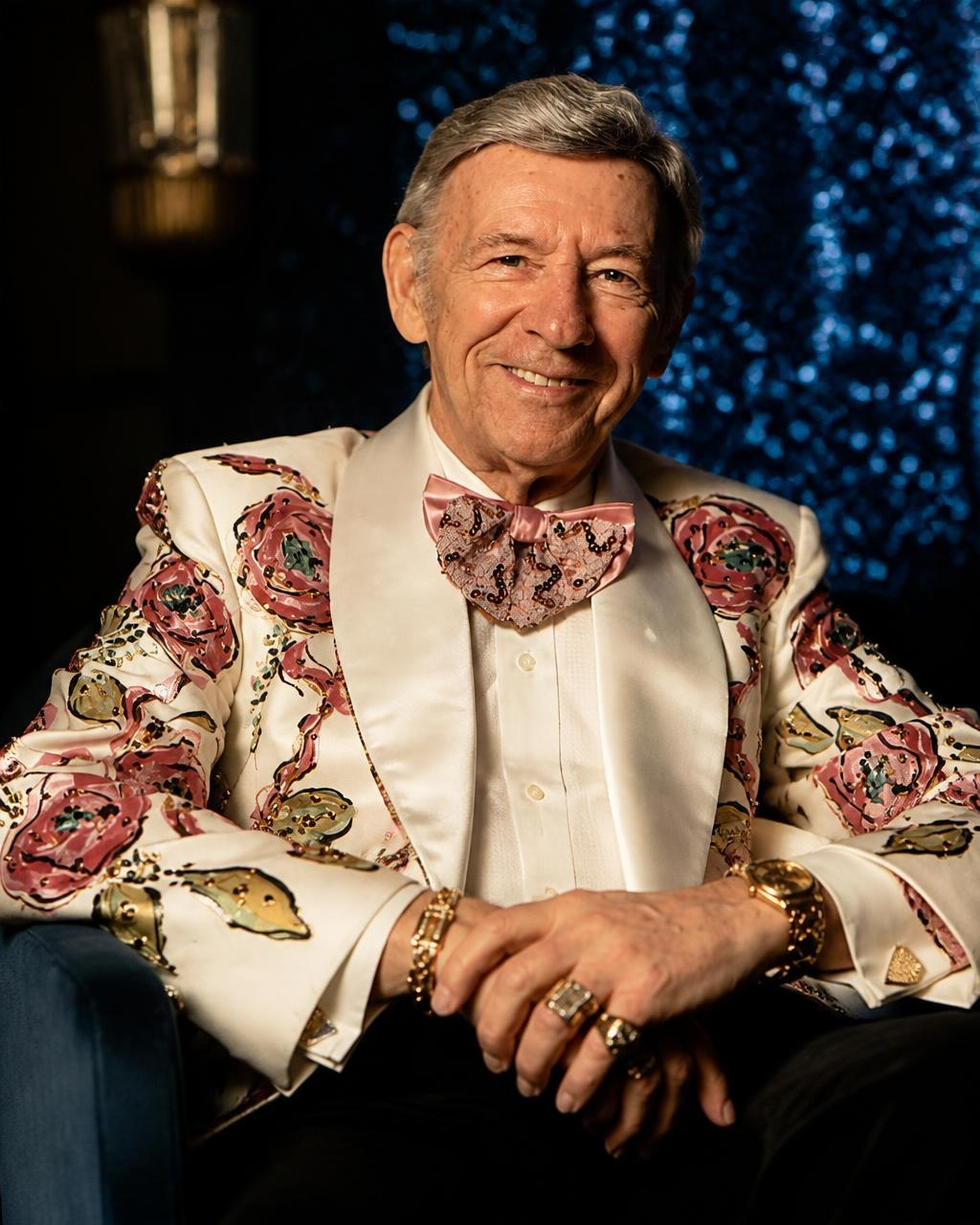
Hank Snow and the Promise He Made to Children
Long before Hank Snow became a country music legend, he was a boy learning that home could be a place of fear. Born Clarence Eugene Snow in Nova Scotia, he grew up in poverty and instability. After his parents separated, he was sent to live with his grandmother, and later returned to a household where his stepfather was reportedly harsh and abusive. Those early years left a mark that success would never erase.
For Hank Snow, childhood did not feel safe. When the people around him failed to protect him, he found his own ways to survive. He left home young and went to sea as a cabin boy, trading one kind of hardship for another, but at least gaining distance from the violence he knew on land. Music became more than a dream. It became a way to steady himself.
From pain to purpose
As Hank Snow’s career grew, so did his fame. His songs carried him from Canadian radio to the Grand Ole Opry and into country music history. But even as audiences celebrated his voice, he never fully escaped the memory of the frightened child he had once been. That memory later shaped one of the most important choices of his life.
In 1976, Hank Snow created the Hank Snow International Foundation for Prevention of Child Abuse and Neglect of Children. It was not a publicity gesture or a passing cause. It was a personal response to a pain he understood too well. He used his name, his influence, and his resources to support efforts aimed at protecting vulnerable children and raising awareness about abuse and neglect.
He could not go back and change what happened to him, but he could try to make sure other children were not left alone in silence.
A voice for children who felt unseen
What makes Hank Snow’s story powerful is not only that he survived, but that he chose to turn survival into action. He spoke about the lasting damage childhood suffering can leave behind. He supported the idea that children who are hurt often hide it, and that adults must be willing to notice, listen, and believe them.
That message still matters. Many people remember Hank Snow for the records he sold and the stages he filled. But there is another part of his legacy that deserves attention: the man who refused to let his own suffering become something private and useless. Instead, he transformed it into a mission.
A legacy bigger than fame
Hank Snow died in 1999, but the meaning of his work did not end there. His story reminds us that healing is not always neat or complete. Sometimes it looks like a child carrying pain for decades. Sometimes it looks like an adult using hard-earned influence to protect others from the same darkness.
Hank Snow never got the childhood he deserved. But through his foundation and his public commitment to child protection, he tried to give other children something he had once lacked: attention, safety, and the chance to be heard.