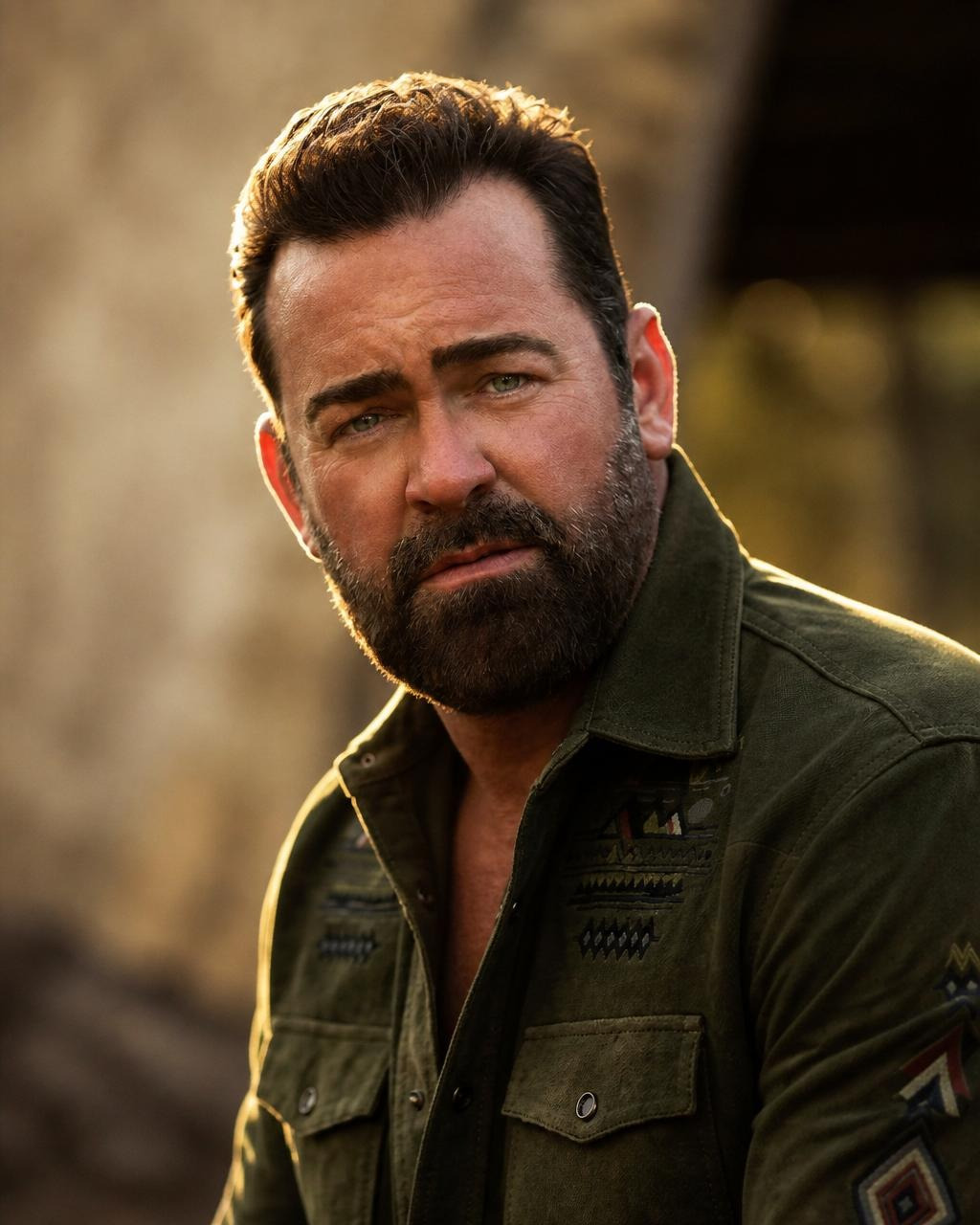
Lee Brice Didn’t Write the Song — But He Sang It Like He Had Been Handed Someone Else’s Grief
Some songs arrive as entertainment. Others arrive like a quiet knock on the door.
“I Drive Your Truck” is one of those songs. It did not begin with a studio idea or a polished pitch. It began with a father and a truck, and with the kind of loss that changes the shape of everyday life. Paul Monti was still trying to live with the absence of his son, Jared, a soldier who never came home from Afghanistan. Instead of visiting a grave to feel close, Paul drove Jared’s truck. That simple act carried memory, love, and grief all at once.
A Story That Needed to Be Told
Songwriter Connie Harrington heard about Paul Monti’s ritual and felt the weight of it immediately. Together with Jessi Alexander and Jimmy Yeary, she helped turn that private moment into a song that felt deeply personal and widely human. The finished lyric did not try to explain grief or tidy it up. It simply followed a father who keeps returning to the things his son left behind.
Some stories are too real to dress up. They need honesty more than polish.
That is what made the song powerful from the beginning. It was specific, yet somehow universal. A truck became a memory keeper. The empty seat became a place of love. The everyday details carried the emotional weight.
Lee Brice Found the Heart of It
When Lee Brice sang “I Drive Your Truck,” he didn’t treat it like a standard country ballad. He sang it as if he had stepped directly into someone else’s sorrow and decided not to look away. There was no attempt to make the pain prettier than it was. Instead, Lee Brice let the song stay rough around the edges, where real loss often lives.
Listeners could hear the dust, the silence, the dog tags, and the memory of a son who once sat in that truck. The performance was so emotionally direct that Paul Monti reportedly had trouble getting through it at first. That reaction said everything. The song was not just heard. It was felt.
Why the Song Endures
In 2013, “I Drive Your Truck” won CMA Song of the Year, and the recognition made sense. Still, awards only explain so much. The deeper truth is that the song became a place where grief could be seen without being judged.
That is why people still return to it. It reminds listeners that love does not end when someone is gone. Sometimes love becomes a routine. Sometimes it becomes a drive, a memory, a familiar seat, or a quiet act repeated again and again because it helps a person keep going.
Lee Brice didn’t write the song, but he carried it with the kind of truth that made it unforgettable. And for Paul Monti, and for anyone who has held on to a loved one through a cherished object or daily ritual, the song became more than music. It became recognition.
Some songs are hits.
This one is a place a father still goes to visit his son.