He Died on a Saturday. By Monday, Country Music Was Asking a Question It Did Not Want to Answer
Charley Pride died on a Saturday in December 2020, and by Monday the sadness had started to turn into something sharper. The country music world was mourning a legend, but it was also staring at a question it could not comfortably avoid: had the industry done enough to protect one of its most important stars?
Charley Pride was more than a hitmaker. He was country music’s first Black superstar, a sharecropper’s son from Mississippi who rose through talent, patience, and force of personality. He earned twenty-nine No. 1 hits. He entered the Country Music Hall of Fame. He became one of the few artists who could cross generations without ever sounding like he was trying too hard to belong.
That was part of what made Charley Pride so powerful. He changed the room without making the room feel accused. He did not arrive as a lecture. He arrived as a singer with a warm voice, a steady smile, and a deep understanding of the music. For decades, he was proof that country music could be bigger than its habits.
The Last Big Night Before Goodbye
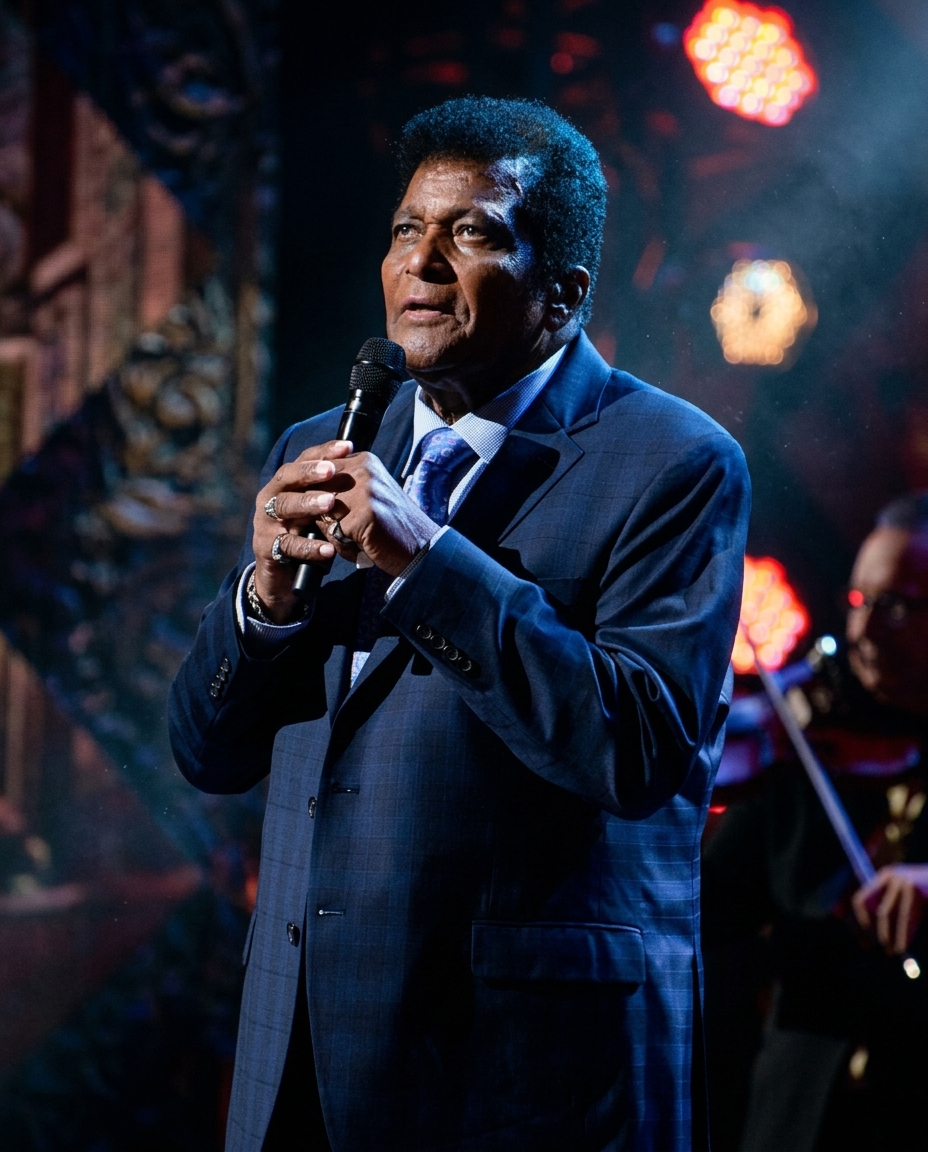
Just one month before his death, Charley Pride stood on the CMA Awards stage and accepted the Willie Nelson Lifetime Achievement Award. He also sang “Kiss An Angel Good Mornin’” one last time for the industry he had helped transform. For viewers, it felt like a triumphant moment. For many who loved him, it was also a farewell they did not know they were watching.
“Kiss an angel good mornin’ and love her like the devil when you get back home.”
That performance carried extra weight after the news came in on December 12, 2020, that COVID had taken his life at 86. The celebration now looked different in hindsight. What had felt like a final honor began to feel, for some people, like a final risk.
The Question That Spread Through Country Music
In the days that followed, artists and fans began asking what should have been asked sooner. Had the event exposed Charley Pride to danger? Had the industry protected him well enough? Those questions did not come from one place or one person; they came from a broader sense of unease that settled over the tribute.
Maren Morris raised concerns. Mickey Guyton demanded answers. The CMA responded that protocols were followed and that Charley Pride had tested negative around the event. Those statements were meant to reassure, and for some people they did. But the discomfort never fully left the conversation.
Because the issue was never only about one award show. It was about what country music says when it celebrates a pioneer, and what it does when that pioneer needs more than applause. Charley Pride had spent a lifetime helping the genre widen its frame. His death forced the industry to look at whether gratitude had been enough.
A Friend, a Trailblazer, and a Test of Memory
The tributes were heartfelt. Dolly Parton mourned a dear friend. Brad Paisley remembered the man who once gave his father a phone number and said he wanted to help a 15-year-old kid. Stories like that explained why so many people loved Charley Pride beyond his records.
He was known not just for success, but for kindness. He carried himself with a calm confidence that put others at ease. He made room for younger artists. He made room for listeners who had never seen themselves reflected in country music’s biggest stages. And he did all of it without turning every moment into a speech about what he had endured.
That quiet dignity is part of why the grief around his death felt so complicated. The industry had spent fifty years thanking Charley Pride for breaking barriers. Yet in his final public moment, many were left wondering whether country music had protected him enough when it mattered most.
What Charley Pride Left Behind
Charley Pride’s legacy is not only measured in chart positions, trophies, or Hall of Fame honors. It lives in the artists who followed him, in the audiences he widened, and in the simple fact that he made country music confront possibilities it had ignored for too long.
His story is inspiring because it is true. It begins with hardship, moves through persistence, and ends with a nation of fans recognizing that a man from Mississippi had changed one of America’s most tradition-bound genres forever.
But his story also leaves behind a harder lesson. Love for a pioneer is not the same as responsibility toward him. Applause is not protection. And remembrance, however sincere, cannot undo the uneasy questions that surface when an industry looks back and realizes how much it asked one man to carry.
Charley Pride died on a Saturday. By Monday, country music was already searching for language large enough to honor him and honest enough to face itself. It still is.