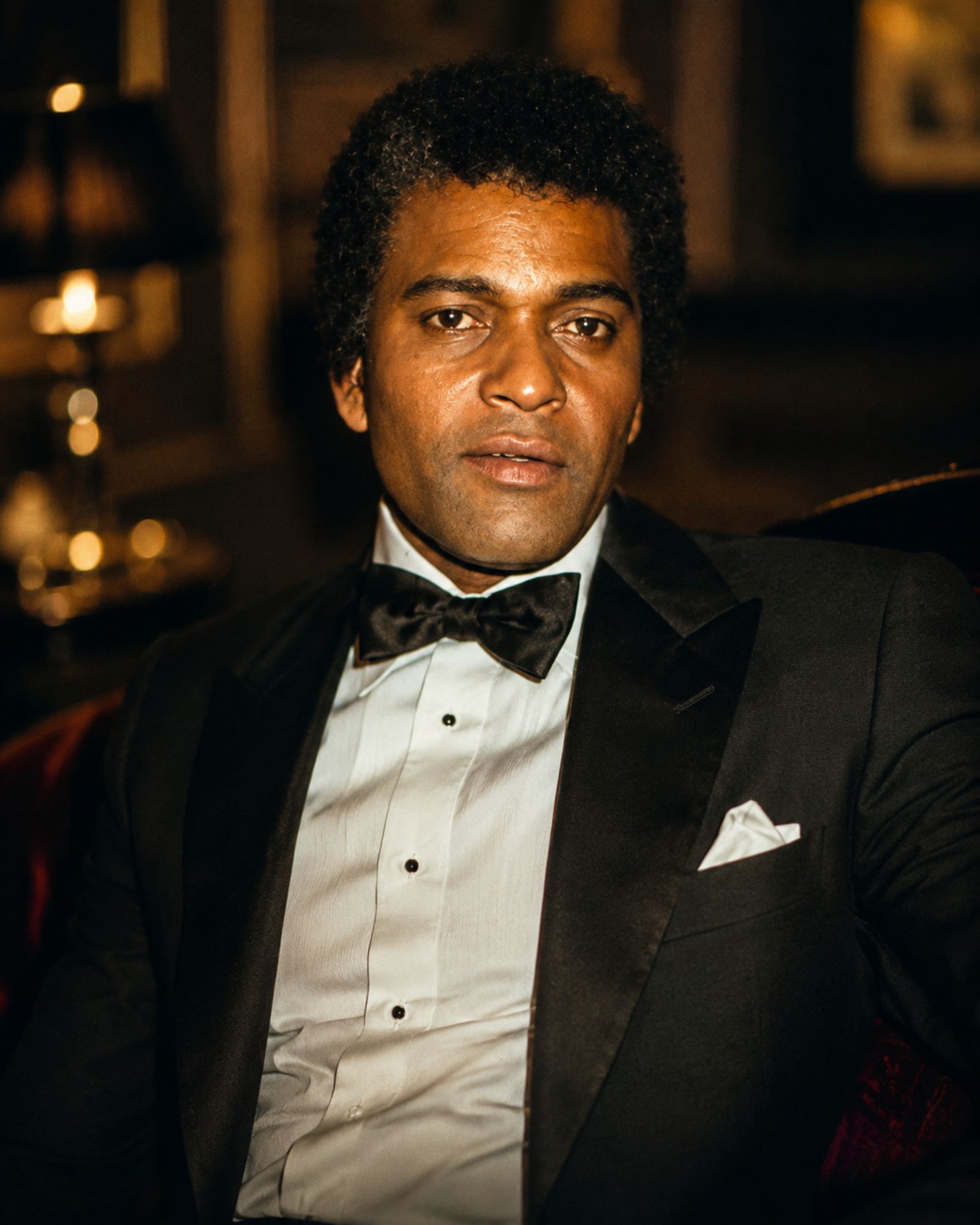
Charley Pride Was Not Chasing Country Music When He Found It
In 1960, Charley Pride moved to Montana with one big hope still alive in his mind: baseball might save him. He had talent, discipline, and the stubborn belief that one more turn could still change everything. But the road to that future did not look glamorous. It looked like long shifts, hard labor, and work that wore a man down before the sun even set.
Instead of stepping into a ballpark, Charley Pride stepped into the ASARCO lead smelter. The furnace burned at a heat so intense it felt almost unreal. He shoveled coal into the fire, battled the danger of molten slag, and worked through conditions that left burns, damaged gloves, and scars on his arms. At one point, he even broke his ankle on the factory floor. That was the reality behind the voice the world would later celebrate.
A Dream Kept Alive by Hard Work
Charley Pride was not a man sitting around waiting for fate to call him. He was working. He was surviving. He was showing up for the kind of job that demanded everything and gave very little in return. When the baseball dream did not take off the way he had hoped, he kept moving. That determination mattered. It kept him from quitting on himself, even when the path ahead looked narrow.
And then, after the shift ended, Charley Pride picked up a guitar.
That detail changes everything. He was not chasing fame in the usual way. He was squeezing music into the cracks of a life already packed with pain, fatigue, and responsibility. He sang in bars, churches, company picnics, and even before baseball games for an extra $10 a week. He worked the swing shift, drove through the night, and sang wherever someone would listen. Then he came back and punched in again.
Most people saw a smelter worker with a broken leg. A few heard something else.
The Night Everything Started to Shift
In 1962, a local DJ named Tiny Stokes introduced Charley Pride to two country singers passing through Montana: Red Foley and Red Sovine. That meeting did not happen in a polished studio or under bright industry lights. It happened in a setting where voices had to prove themselves quickly. Charley Pride sang “Lovesick Blues” and “Heartaches by the Number,” and when he finished, the room had changed.
Red Foley heard something rare in that performance. Red Sovine did too. And then Red Sovine said the sentence that would stay with Charley Pride forever: “I don’t care what color you are. You ought to go to Nashville.”
It was a simple statement, but it carried the weight of a door opening. Charley Pride had spent years doing the work that nobody romanticizes. Now, suddenly, someone with ears trained for the industry was telling him that his voice belonged somewhere bigger.
From Montana to Nashville
A year later, baseball rejected Charley Pride for good. That closed one chapter with painful finality. But instead of retreating, he made another choice. He bought a ticket to Tennessee. He walked from the Nashville bus station to Cedarwood Publishing because Red Sovine had told him to stop by if he ever got serious.
That walk matters because it was not the walk of a man expecting instant success. It was the walk of someone who had already been tested by real life. He had worked in unbearable heat. He had carried disappointment. He had learned how to keep going. Nashville did not create that strength; it recognized it.
Within a few years, Chet Atkins signed Charley Pride to RCA. What followed was remarkable: 29 No. 1 hits and a career that placed Charley Pride among the most successful artists on the label. Only Elvis Presley sold more records for RCA. That is not a footnote. That is a major piece of music history.
What the Furnace Gave Him
It is tempting to say Nashville made Charley Pride. But that would miss the deeper truth. Nashville gave him a stage. It gave him reach. It gave him the platform. Yet the force inside the voice, the calm under pressure, and the sense that he had already survived worse than rejection may have been forged long before the recording contracts.
The furnace was brutal, but it may have shaped more than his hands. It may have shaped his patience. It may have shaped his discipline. It may have taught him how to endure without losing his purpose. When a person has already faced exhausting labor, long nights, and setbacks that could end a dream, success often sounds different. It sounds earned.
Charley Pride’s story is not just about talent finding an audience. It is about a man building himself in silence while the world was not looking. He was not chasing country music when he found it. He was trying to survive another shift. And somehow, in the middle of all that heat and hardship, a voice was formed that people would never forget.
So was Charley Pride’s voice born in country music, or was it forged in the heat no one ever saw? Maybe the answer is both. The music gave it a home. The furnace gave it strength.