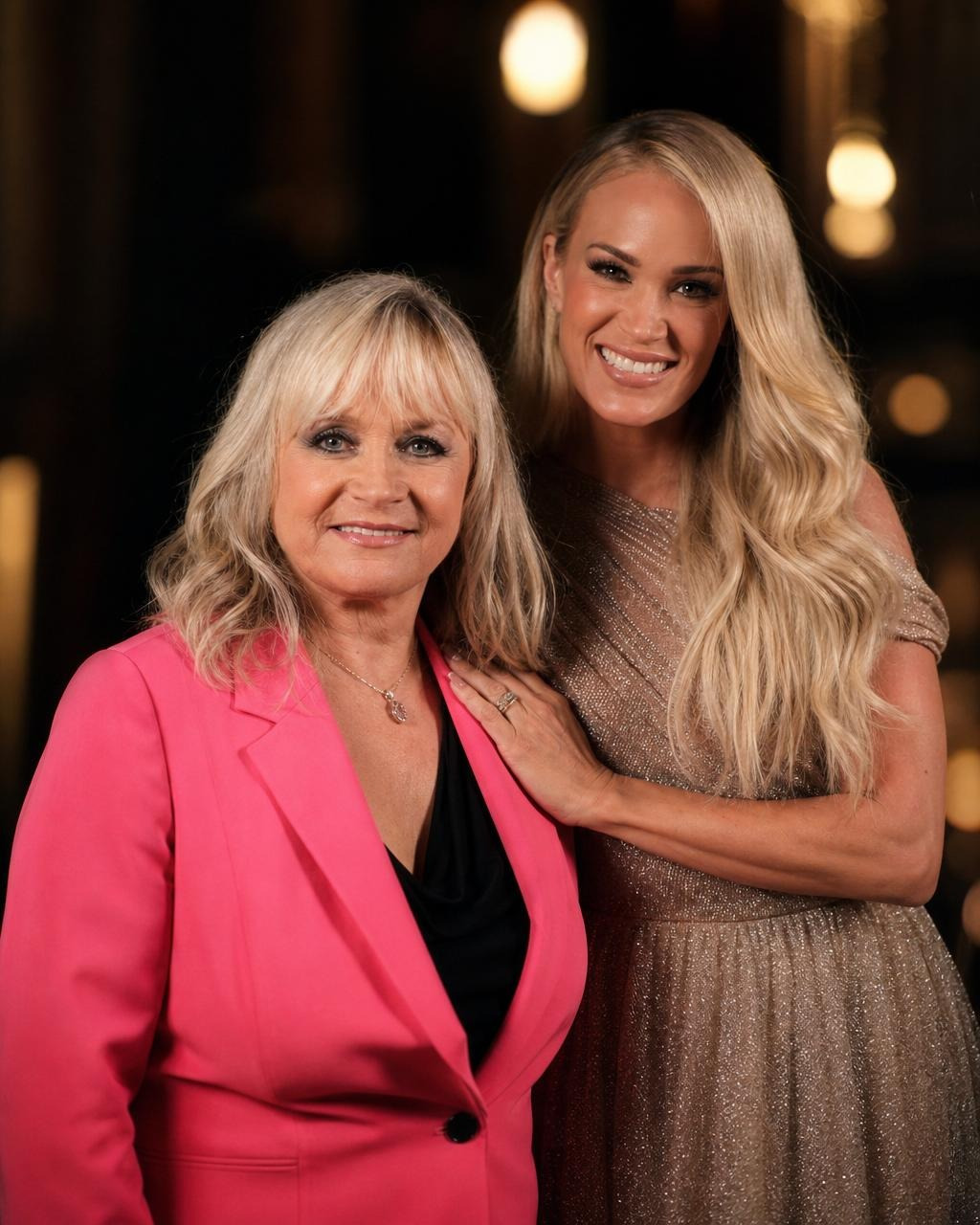
Carrie Underwood Honors Barbara Mandrell on the Grand Ole Opry Stage
Some moments in country music feel bigger than a performance. They feel like a passing of the torch, a quiet thank-you, and a reminder that the people who opened doors are often the ones history should never forget.
That is exactly what happened when Carrie Underwood stood in the Circle at the Grand Ole Opry to honor Barbara Mandrell, the woman whose influence helped shape the path for generations of women in country music.
A Homecoming Years in the Making
Barbara Mandrell’s story at the Grand Ole Opry began long before that emotional night. In 1972, at only 23 years old, Barbara became a member of the Opry, cementing her place among country music’s most respected performers. She built a career that crossed radio, television, and live stages, but the Opry remained a special place in her heart.
When Barbara Mandrell decided to step away from the spotlight in 1997, she chose the Grand Ole Opry for her final performance. It was a graceful exit from a remarkable career, and she kept her promise to stay away from the stage for decades afterward. Instead, she reserved her singing for church on Sundays, keeping her life quieter and more private.
Carrie Underwood Steps Into the Circle
Then, in the summer of 2022, Barbara Mandrell returned to the Opry for a celebration marking 50 years since her induction. She did not come back to chase applause or make a comeback. She came back to be honored.
At the center of that tribute was Carrie Underwood, one of the most powerful voices in modern country music. Wearing a gold gown, Carrie Underwood stood in the Circle and sang Barbara Mandrell’s signature song, I Was Country When Country Wasn’t Cool. It was a deeply respectful moment, not only because of the song itself, but because of what it represented: one generation recognizing another.
“Lord knows I love the Opry.”
Barbara Mandrell said those words with warmth and gratitude, seated in a room filled with women who had carried country music forward, including Carrie Underwood, Connie Smith, Jeannie Seely, and Suzy Bogguss. She also acknowledged the rarity of such a long and meaningful journey, saying that not everyone gets the blessing of fifty years.
Why the Tribute Mattered
The beauty of the evening was not just in the music. It was in the symbolism. Barbara Mandrell helped prove that a female entertainer could carry a show, command an audience, and leave a lasting mark long before that was common in country music. Carrie Underwood’s tribute made that legacy visible in the present tense.
For fans watching, it was a reminder that country music is built on memory as much as melody. The stage may change, the stars may change, but the respect for those who made the path wider remains important.
A Legacy That Still Resonates
Barbara Mandrell did not need to sing a note that night to be the center of attention. Her presence was enough. After all those years away, she returned to the place she called home and found herself surrounded by the women who followed in her footsteps.
That is what made the evening so moving: not just a star honoring a legend, but a community honoring its own history. Carrie Underwood stood in the Opry Circle and sang to the woman who helped open the door, and Barbara Mandrell received the moment with grace.
Some artists chase the spotlight forever. Barbara Mandrell walked away from it on her own terms, and in the end, the spotlight found its way back to her.