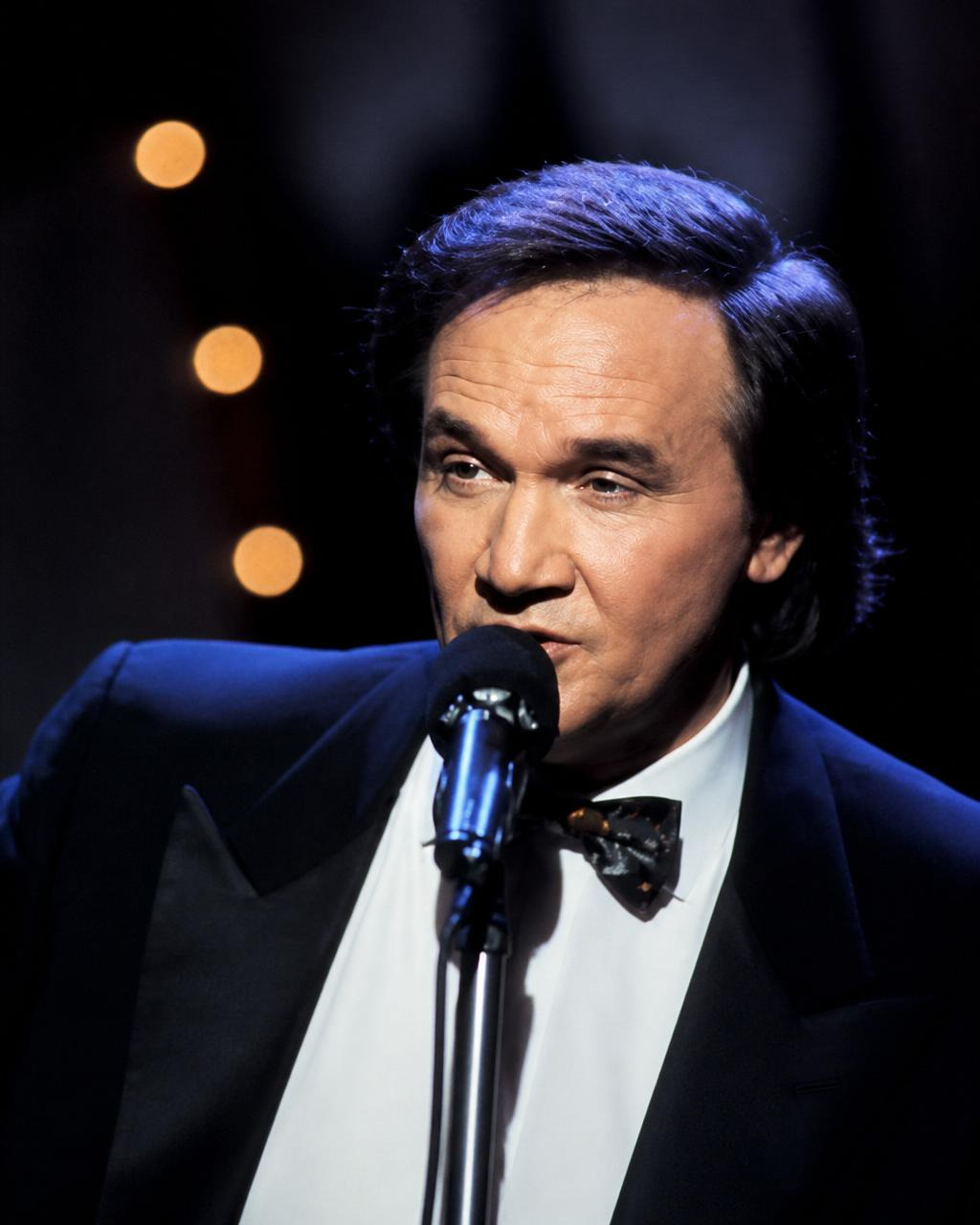
A Hobo at an Airport and a Roadside Sign: How Roger Miller Wrote “King of the Road”
On May 19, 1964, Roger Miller received a Gold Record for “King of the Road”, the song that would climb to No. 4 on the Billboard Hot 100 and become the kind of record that changes a career forever. For most artists, that would have been the headline. For Roger Miller, it was only the beginning of a story that would keep growing for decades.
“King of the Road” was more than a hit. It became a cultural touchstone, a song that moved effortlessly between country and pop, carrying with it a strange and unforgettable feeling: freedom mixed with loneliness, humor mixed with sadness, motion mixed with stillness. It sounded like the open road, but it also sounded like a man who had spent enough time watching life go by to know its deeper rhythm.
Two Small Moments That Became One Great Song
What many listeners never knew was how the song began. One part came from a real roadside sign Roger Miller spotted while driving through Chicago: “Trailers for sale or rent.” It was a simple line, the kind most people would read once and forget. But Roger Miller had the instinct of a true songwriter. He could catch something ordinary and hear music inside it.
The second spark came from a different place entirely. While at an airport in Boise, Idaho, Roger Miller noticed a hobo sitting quietly by himself. There was nothing dramatic about the scene. No speech. No introduction. No explanation. Just a stranger, alone and still, carrying the mood of a life on the move.
Roger Miller did not need a full biography. He only needed the feeling. From that brief moment, he imagined the drifting soul at the center of the song, a man who belonged to the road more than to any one place. The result was not a literal portrait. It was something better: a character built from fragments of real life, polished into a story that millions of people could feel instantly.
The Song That Crossed Boundaries
“King of the Road” did something special. It crossed from country to pop without losing its identity. That is not easy to do. A song can become too polished and lose its roots, or too rooted and never reach beyond its own audience. Roger Miller found the rare balance between wit and warmth, between clever writing and honest emotion.
The song’s charm came from its details. The words were specific enough to feel real, but broad enough for listeners to place themselves inside them. It was about wandering, yes, but also about dignity. Even in the middle of uncertainty, the song carried a grin. Even in the middle of loneliness, it sounded free.
Some songs tell a story. Some songs create a world. “King of the Road” did both.
That may be why it became one of Roger Miller’s signature songs and earned him multiple Grammy Awards. The song did not just perform well on the charts; it lived in people’s memories. It was the kind of tune that made listeners feel as if they had always known it, even the first time they heard it.
Why It Still Matters
Part of the magic of “King of the Road” is that it came from such small beginnings. A sign by the road. A stranger in an airport. Two tiny moments that could have passed unnoticed. In another pair of hands, they might have stayed exactly that. But Roger Miller had the rare gift of turning ordinary life into something lasting.
That is one reason the song still resonates. It reminds us that inspiration does not always arrive as a grand event. Sometimes it shows up in passing, in a glance, in a sentence on a sign, in the quiet posture of someone we never meet.
Roger Miller understood that truth better than most. He knew how to take loneliness and make it sing. He knew how to turn the road into a character and movement into melody. And he knew that the best songs often begin with the smallest details.
A Final Performance That Felt Like a Farewell and a Celebration
In 1990, Roger Miller performed “King of the Road” one more time at the Texaco Country Showdown National Final. By then, the song had already traveled far beyond its original moment. It had outlived trends, crossed generations, and become part of the American songbook.
When Roger Miller sang it again on that stage, it reminded everyone why some songs never really leave you. They do not age in the usual way. They gather meaning. They carry memories. They return with the same opening line, the same familiar swing, and the same quiet confidence, as if they have been waiting patiently for you to hear them again.
That is the legacy of “King of the Road.” It began with a roadside sign and a hobo at an airport, but it ended up becoming something far bigger: a song about the road, the lonely places, and the strange beauty of making your way through the world with a smile.