In 1994, moviegoers watched Bruce Willis drive through the streets in Quentin Tarantino’s Pulp Fiction, singing along to an old country song called “Flowers on the Wall.”
For longtime country music fans, the recording was instantly recognizable. The Statler Brothers had made it famous nearly three decades earlier. But younger audiences were discovering those unusual lyrics and unforgettable harmonies for the first time.
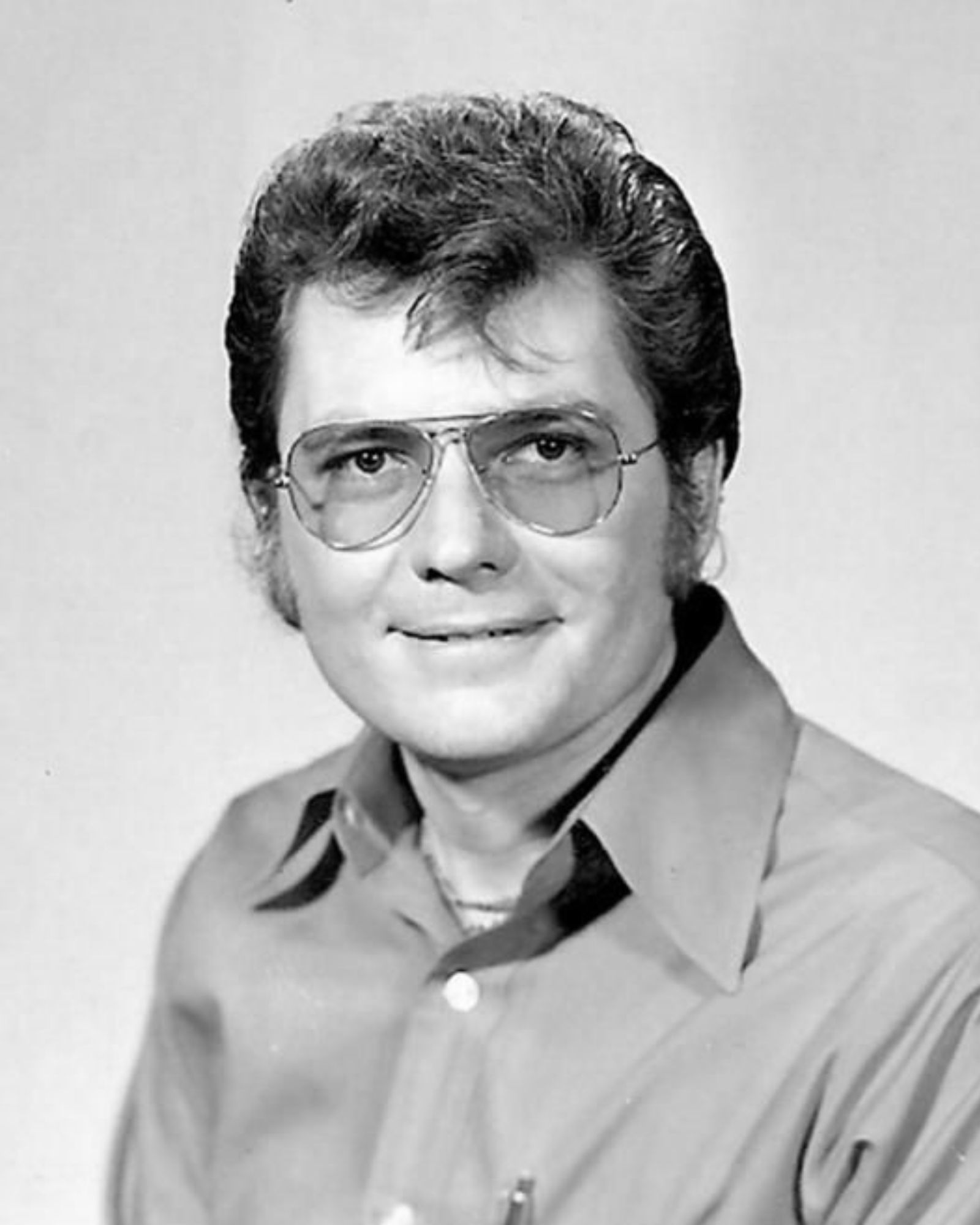
What many viewers didn’t know was that Lew DeWitt, the man who wrote the song, had died four years earlier, at just 52.
And behind that recording was a remarkable story involving Johnny Cash, a Grammy-winning breakthrough, a difficult departure, and a young singer named Jimmy Fortune.
Four Young Men From Virginia
Long before The Statler Brothers became country music legends, Lew DeWitt was a young musician from Virginia who loved gospel music.
In 1955, Lew DeWitt joined Harold Reid, Phil Balsley, and Joe McDorman in a gospel quartet called the Four Star Quartet. The group performed at churches and local events, hoping to build a career through close harmonies and determination.
By the early 1960s, Don Reid had joined, and the group eventually adopted the name The Statler Brothers.
Everything changed when Johnny Cash recognized the quartet’s potential. The Statler Brothers joined Johnny Cash’s touring show in 1964, and Johnny Cash helped secure a recording contract with Columbia Records.
But success didn’t arrive immediately. Their first two singles failed to make a significant impact.
Then Lew DeWitt brought forward a song unlike anything the group had recorded before.
The Strange Little Song That Changed Everything
“Flowers on the Wall” wasn’t a conventional heartbreak ballad. Its narrator insisted that life was perfectly fine after a romantic disappointment, describing lonely activities with an almost comical sense of confidence.
The humor was obvious, but underneath it was something familiar: a person trying desperately to convince everyone that nothing was wrong.
In March 1965, The Statler Brothers recorded Lew DeWitt’s composition at Columbia’s Nashville studio. According to a later Billboard account, an unexpected opportunity arose when Johnny Cash missed a recording session, allowing The Statler Brothers to use the studio time.
The result transformed the group’s future.
“Flowers on the Wall” reached No. 2 on Billboard’s country chart and No. 4 on the Billboard Hot 100. Its success helped The Statler Brothers receive two Grammy Awards in 1966, including recognition for the recording and the group’s breakthrough as new country artists.
Suddenly, four singers from Virginia had a hit that country and pop audiences could enjoy together.
Why Lew DeWitt Had to Leave
While The Statler Brothers continued building a remarkable career, Lew DeWitt faced increasingly difficult health problems.
Lew DeWitt had lived with Crohn’s disease for years, and recurring illness made the demanding schedule of touring and performing increasingly difficult.
In November 1981, Lew DeWitt was hospitalized and informed the group that an extended absence would be necessary.
Here is the detail many fans never learned: Lew DeWitt personally recommended Jimmy Fortune as a temporary replacement.
Jimmy Fortune was a talented young Virginia singer, but becoming part of The Statler Brothers was an extraordinary opportunity.
Lew DeWitt briefly returned in April 1982 to help finish The Legend Goes On and made a final appearance with the group at the Music City News Awards on June 7, 1982.
Later that month, Lew DeWitt decided to retire from The Statler Brothers. Jimmy Fortune became the permanent replacement.
The Singer Who Carried the Music Forward
Jimmy Fortune didn’t simply fill an empty position. Jimmy Fortune eventually helped open another successful chapter in The Statler Brothers’ career.
Jimmy Fortune wrote three No. 1 country hits for the group: “Elizabeth,” “My Only Love,” and “Too Much on My Heart.”
Meanwhile, Lew DeWitt refused to abandon music entirely. Lew DeWitt continued performing with the Star City Band on a less demanding schedule and released two solo albums, On My Own in 1985 and Here to Stay in 1986.
By 1989, declining health brought Lew DeWitt’s performing career to an end.
On August 15, 1990, Lew DeWitt died at home near Waynesboro, Virginia, at age 52.
The Song Found Another Generation
Four years later, Quentin Tarantino included “Flowers on the Wall” in Pulp Fiction.
The scene featuring Bruce Willis introduced the distinctive recording to movie audiences who might never have followed traditional country music.
But the song didn’t need Hollywood to become a classic. It had already helped establish The Statler Brothers as major recording artists and had remained part of country music history for decades.
In 2008, The Statler Brothers entered the Country Music Hall of Fame, honoring the contributions of Lew DeWitt, Jimmy Fortune, Harold Reid, Don Reid, and Phil Balsley.
Lew DeWitt never witnessed the unexpected Hollywood revival. Yet the song remained, along with the harmonies, recordings, and musical legacy that Lew DeWitt helped create.
And perhaps the most meaningful part of the story is that Lew DeWitt left behind more than a famous song. By recommending Jimmy Fortune, Lew DeWitt also helped shape the next chapter of a group that millions of country fans would continue loving for years.