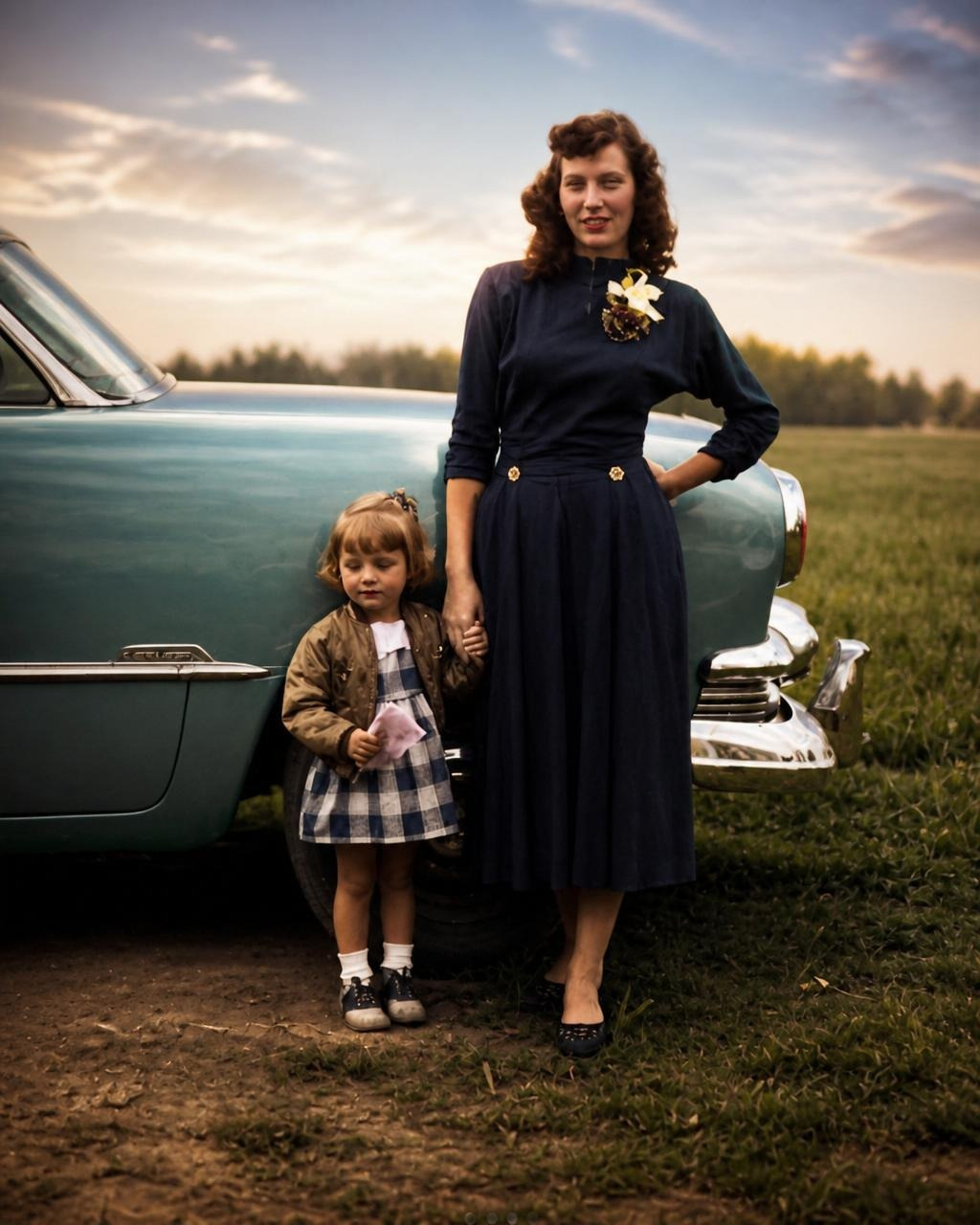
Loretta Lynn and Betty Sue Lynn: A Mother-Daughter Bond That Grew Up Together
When Loretta Lynn became a mother at 16, her life changed before she had even finished becoming herself. Her first child, Betty Sue Lynn, arrived while Loretta was still learning how to keep a home, work the garden, and face the hard reality of raising a baby with very little to lean on. In the years that followed, three more children came quickly, and the household became a place where responsibility arrived early and stayed late.
Loretta later described Betty Sue as the first to make her a momma, and she remembered those early days as full and long. Betty Sue was not just the oldest child in the house. She became the little boss of the younger ones, a feisty presence who seemed to understand family life almost as soon as she could walk. Loretta, meanwhile, was still growing into adulthood herself. That is part of what made their relationship so unusual and so tender. Mother and daughter were never only one thing to each other.
A Family Built in the Middle of Hard Times
As Loretta’s life moved from poverty into country music history, Betty Sue stayed close to the center of it all. She worked with Loretta on the ranch and in entertainment, and she also proved to be a songwriter in her own right. Loretta often spoke of Betty Sue with affection, not just as a daughter but as someone who understood the daily rhythm of family, work, and survival. Over time, their bond deepened into something that felt less like a simple parent-child story and more like two women who had helped shape one another.
Loretta said they talked on the phone every day and saw each other often when she was home from the road. That kind of closeness takes years to build, but in their case it seemed to come from having shared the same struggle from the start. Loretta was the mother, but Betty Sue was there in the beginning, growing up beside her instead of behind her.
“In many ways it felt like we raised each other.”
Loss That Never Grows Smaller
When Betty Sue Lynn died in 2013 at age 63, Loretta was already a woman who had endured a great deal: poverty, a difficult marriage, the death of her son Jack Benny Lynn, and decades in the public eye. Even so, none of that could prepare her for the loss of her firstborn. Loretta later wrote that part of her heart died when Betty Sue left.
That grief carried a truth many mothers know but can never fully put into words: a child never stops being the child a mother first held, no matter how old that child becomes. Betty Sue had grown into a partner, a helper, a friend, and a strong woman with her own voice. But to Loretta, she was still the girl who made her a mother.
The story of Loretta Lynn and Betty Sue Lynn is not only about fame or family history. It is about how love can form early, change shape, and still remain deeply human. It is about a mother who grew up fast, a daughter who helped hold the house together, and a bond that lasted long after the first years of hardship were gone.