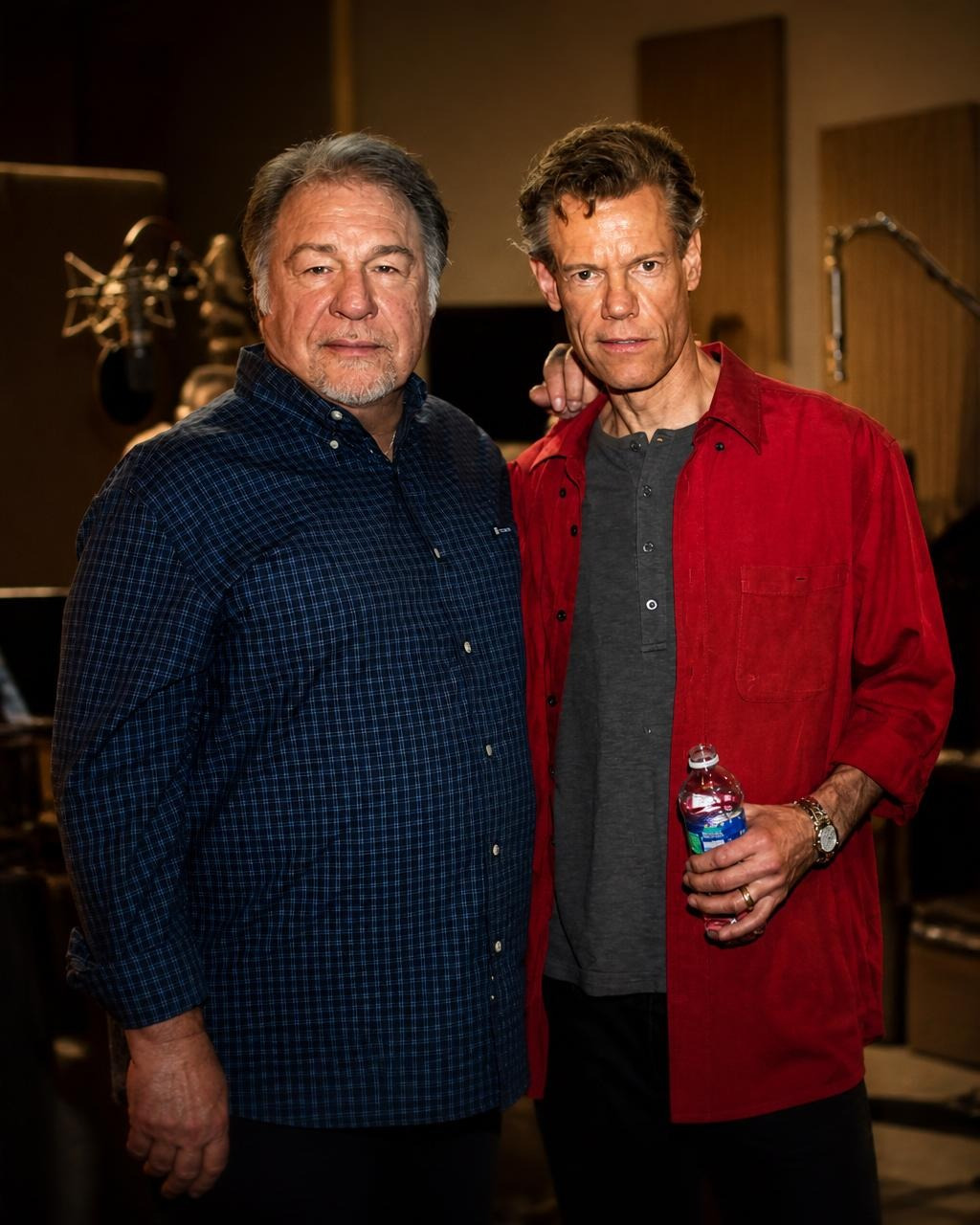
Gene Watson Was Almost Done With Country Music. Then Randy Travis’ Camp Pulled Him Back Into the Fire
By the late 1980s, Gene Watson had already lived through enough country music to fill several careers. He had a voice that could carry heartbreak without forcing it, and for years that voice had made him unforgettable to fans who loved traditional country. But the business was changing. Radio was chasing new sounds, younger names were getting the spotlight, and Gene Watson found himself staring at a stretch of time that felt far too quiet.
Three years passed without a Top 10 hit. That kind of silence can weigh heavily on any artist, especially one who has spent years working the road and trusting the songs to do the talking. The band kept playing. The audiences still showed up. But there was a real question hanging in the air: was the industry moving on without Gene Watson?
Then came a turn that felt less like a comeback plan and more like country music remembering its own history.
A Quiet Door Opens
In the middle of the new traditional country wave, a young star named Randy Travis was rising fast. His success helped bring classic country values back into the conversation, and that shift mattered more than people realized. Around Randy Travis was his manager, Lib Hatcher, who saw something important in Gene Watson: not nostalgia, not a relic, but a singer who still had unfinished business.
Lib Hatcher helped guide Gene Watson toward Warner Bros., the same label where Randy Travis was building momentum. It was a smart move, but also a human one. Gene Watson was not being asked to change into someone else. He was being reminded of who he already was.
Sometimes the right people do not rescue an artist with a speech. They simply open the right door at the right time.
Back in the Fire
The result was Back in the Fire, an album title that sounded like a second chance and a warning at the same time. It was not about chasing trends. It was about returning to the heat of country music with purpose. The record carried the sense that Gene Watson had been given fresh fuel, but not a new personality.
That is what made the moment so powerful. Gene Watson did not need a reinvention. He needed belief. Randy Travis’ camp, especially Lib Hatcher, helped restore that belief at a time when it could have slipped away completely.
Why This Story Still Matters
Country music has always been full of comeback stories, but this one stands out because it was quiet. No big public rescue. No dramatic announcement. Just a veteran singer, a changing industry, and a young traditional movement that refused to let a great voice fade out too soon.
Gene Watson’s return was not just about one album. It was proof that strong country music never really disappears. It waits. It listens. And sometimes, when the timing is right, it pulls an artist back into the fire instead of letting him walk away.
That is the kind of ending country fans understand best: not perfect, not polished, but honest. And in Gene Watson’s case, honest was more than enough to bring him back.