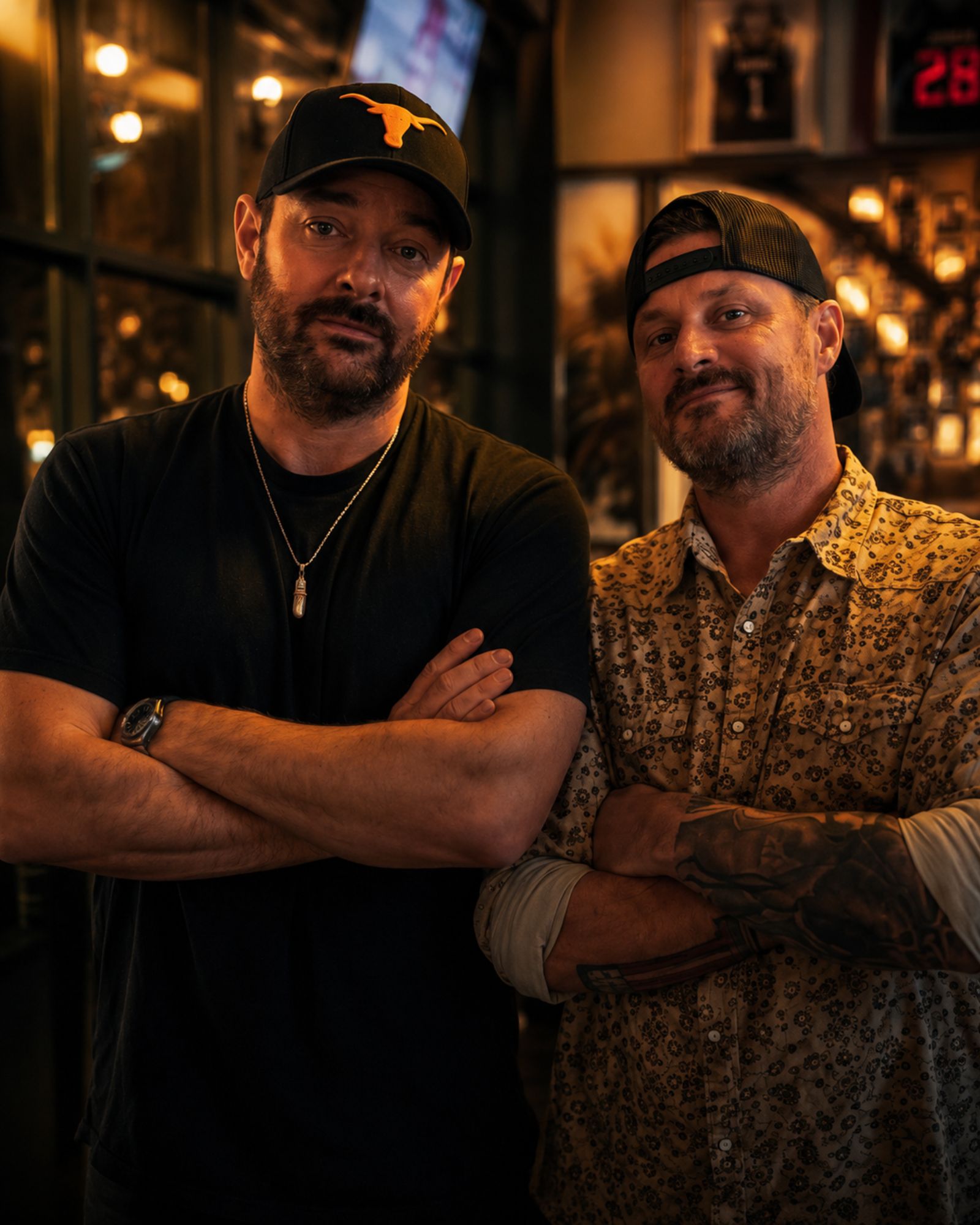
Chris Young’s “Gettin’ You Home” Came Full Circle in a Real-Life Act of Kindness

Chris Young’s first No. 1 hit was called “Gettin’ You Home.” For years, that song has meant late-night longing, love, and the comfort of being where you belong. This week, though, the title took on a deeper meaning when Chris Young helped a stranger get home for what turned out to be her final days.

A wish that was bigger than anything else

Mariah was only 33. She was from Albertville, Alabama, and had been fighting stage 4 colon cancer since 2023. She had gone through treatment in California, hoping for a different outcome, but the road grew harder and the options grew fewer. When hospice became the only path left, Mariah had one simple wish: she wanted to go home.

That wish was not about a destination in the usual sense. It was about family, familiar rooms, the people who knew her best, and the comfort of being surrounded by love. For someone facing the end of a painful journey, home meant everything.

The problem was getting her there

Mariah was too sick to fly commercially. Even a basic trip was no longer possible the usual way. Her friends were left searching for a solution in a moment that felt heavy and urgent. That is when her friend Joslyn turned to TikTok and posted a desperate plea, hoping someone would see it and care enough to help.

Sometimes one post can cut through the noise. In this case, it did exactly that.

Justin Nunley saw the message and made the call

Justin Nunley saw Joslyn’s post and understood what was at stake. He reached out to Chris Young, and the response was immediate and quiet in the best possible way. Chris Young did not turn the situation into a spotlight moment. He did not make it about himself. He simply asked what was needed and helped arrange the flight.

That kind of help is easy to talk about and much harder to do. It requires speed, care, and a willingness to act without waiting for applause. In a world where people often debate the right thing to do, Chris Young just did it.

Mariah made it home to Alabama

Thanks to that help, Mariah made it back to Alabama. She was able to be where she wanted to be, near the people who loved her most. For a family carrying both grief and gratitude at the same time, that return mattered more than words can fully explain.

One day later, Mariah passed away at home, surrounded by the people who loved her. The timing was heartbreaking, but it also brought peace. She got the one thing she asked for in the end: to be home.

Country music has always talked about home. This time, Chris Young helped someone get there.

Why this story hit so hard

Country songs often celebrate the road, the memories, and the pull of home. But real life sometimes gives those ideas a face and a name. Mariah’s story reminded people that home is not just a lyric. It is a place of comfort, dignity, and love.

Chris Young’s role in this moment was not loud, and that is part of what made it powerful. He did not need a headline. He helped because someone needed help. In a culture full of noise, that kind of quiet kindness stands out.

A simple act that meant everything

There are moments when generosity changes more than a schedule. It changes the ending of a story. For Mariah and her family, the flight home was not just transportation. It was a final act of care, made possible by people who refused to look away.

Chris Young has sung about love, loss, and the meaning of home, but this week he lived out those themes in a way that touched many people far beyond country music. Sometimes the most memorable moments are not on stage. Sometimes they happen in the middle of someone else’s hardest day.

Mariah got home. Her family got their time. And Chris Young reminded everyone that a song can become something real when compassion turns into action.


You Missed

In 1958, Ray Price was already one of country music’s biggest stars. Roger Miller was still trying to convince Nashville that he belonged there. Miller had already failed an audition for Chet Atkins, worked as a hotel bellhop, and spent time playing behind other singers. Then Ray Price hired him to join his Cherokee Cowboys. It put Miller inside one of the best country bands in the business — but the more important break came from a song he had written. Miller suggested that Price record “Invitation to the Blues.” Price did, releasing it as the B-side of his No. 1 hit “City Lights,” and “Invitation to the Blues” climbed to No. 3 on the country chart. It was Miller’s first major success in Nashville. Suddenly, other stars began paying attention to the young songwriter. Ernest Tubb recorded “Half a Mind.” Faron Young had success with “That’s the Way I Feel.” Jim Reeves took Miller’s “Billy Bayou” all the way to No. 1. Country fans were hearing Roger Miller’s words long before many of them knew Roger Miller’s voice. His own breakthrough took longer. Then came “Dang Me” in 1964, followed by “King of the Road” in 1965, and the struggling songwriter became one of country music’s most recognizable stars. Ray Price didn’t make Roger Miller famous. But years before the public understood what Roger Miller could do, one of country music’s biggest stars had already given him a place in the band — and listened when he brought him a song.

Charley Pride was once sold so his Negro League team could buy a used bus. Then Casey Stengel threw him out of Mets camp without watching him pitch. So he pulled a business card from his wallet and took a bus to Nashville instead — and became RCA’s best-selling artist not named Elvis Presley. In the Negro Leagues, Charley Pride and teammate Jesse Mitchell were sold to the Birmingham Black Barons, and the money helped their old club buy a used team bus. Pride later joked, “Jesse and I may have the distinction of being the only players in history traded for a used motor vehicle.” He kept chasing the major leagues anyway. Years later, Pride showed up uninvited at the New York Mets’ spring training camp in Florida. He had even shipped six bats ahead with his name engraved on them. Casey Stengel wanted no part of an unexpected tryout. “We ain’t running no damn tryout camp down here,” Stengel said. “Put him on a bus to anywhere he wants to go.” So Pride reached into his wallet. Inside was a business card from country singer Red Sovine, who had encouraged him to come to Nashville if he ever got serious about singing. Pride asked for a ticket to Tennessee. Within a few years, Chet Atkins helped bring him to RCA. Pride eventually scored 29 No. 1 country hits and became RCA’s best-selling artist not named Elvis Presley. His old Negro League teammate Otha Bailey remembered Pride sitting in the back of team buses picking a guitar with only two strings while the other players laughed. “But I think he knew where he was going.” Maybe he did. Because one man refusing to let Charley Pride throw a few pitches helped send him toward the place where he would change country music forever.

Tammy Wynette once said only one country singer could “hold a candle to George Jones” — and most people today barely remember his name. Vern Gosdin never had the fame of Jones, Haggard, Cash, or Strait. But among people who cared about pure country singing, his voice carried unusual weight. Wynette’s compliment said almost everything: she believed Gosdin was one of the very few singers who belonged in the same conversation as George Jones. What made his story even stranger was how close he came to leaving music behind completely. When his career stalled in the early 1970s, Gosdin moved to Georgia and went into the glass business. For a time, he was working with glass instead of records. Then he came back. “I Can Tell by the Way You Dance” reached No. 1. “Set ’Em Up Joe” became a classic. And “Chiseled in Stone,” written with Max D. Barnes, won the CMA Award for Song of the Year and became one of the recordings most closely associated with the nickname fans had given him: “The Voice.” But his final years were not easy. Gosdin suffered a stroke in 1998, yet continued writing and recording. In 2008, he released the 101-song box set *40 Years of the Voice*. He was even preparing a tour bus for more appearances before another stroke in 2009. Vern Gosdin died on April 28, 2009, at 74. The voice George Jones was so often compared against never became the biggest name in country music. But Tammy Wynette believed it belonged beside the greatest.