Loretta Lynn Walked Back Into a Song at 88
In country music, some stories are told with a guitar. Others are told with a scar, a setback, and a return that nobody saw coming. Loretta Lynn lived the second kind of story all the way to the end.
By the spring of 2017, Loretta Lynn had already done what most artists only dream of. She had spent nearly six decades on the road, becoming one of the most recognizable voices in American music. Then, suddenly, a stroke changed everything. Touring ended overnight. The life that had carried her from small-town beginnings to the center of country music closed without warning.
For many performers, that would have been the final chapter. For Loretta Lynn, it was only another hard turn in a life that never seemed to offer easy roads.
A Life Built on Tough Ground
Loretta Lynn was never made of polish. She was made of work, loss, and grit. Long before the awards and the standing ovations, she was a coal miner’s daughter who learned early how to keep moving when life got heavy. She married young, raised children, endured heartbreak, and built a career in a world that did not always welcome women speaking plainly.
That honesty became her power. She sang about marriage, motherhood, heartbreak, and the complicated truth of being a woman with a voice. People listened because she was never pretending. She was telling the truth as she knew it.
And even as fame grew, the same stubborn spirit stayed with her. She did not behave like someone waiting to be protected from life. She behaved like someone determined to keep living it.
The Fall That Changed the Question
Eight months after the stroke, Loretta Lynn fell at her Hurricane Mills ranch and broke her hip. At that point, she was in her mid-eighties, and her body had already been asked to carry enough for several lifetimes. Illness. Recovery. Age. Grief. Time.
Most people would have looked at that sequence of events and said the same thing: enough.
But Loretta Lynn had never been interested in easy endings. She had spent her life refusing to let the world decide when her story was over. So instead of stepping quietly away, she leaned toward the thing that had always anchored her: music.
Returning Close to Home
She recorded again, close to home, where the setting felt right for a woman who had lived so much of her life in motion. The work was not about recapturing youth. It was about presence. It was about showing that age and injury did not erase a voice that had already shaped generations.
The project that emerged in 2021 was called Still Woman Enough, and the title said everything. It was not defensive. It was not nostalgic. It was a statement, calm and direct, from a woman who knew exactly who she was.
At 88, Loretta Lynn delivered her 50th studio album. That alone would have been remarkable. But what made it unforgettable was the feeling behind it. It was not a comeback built on spectacle. It was a final statement made with grace, steel, and the kind of quiet confidence only earned by surviving a long life honestly.
Three Generations, One Woman
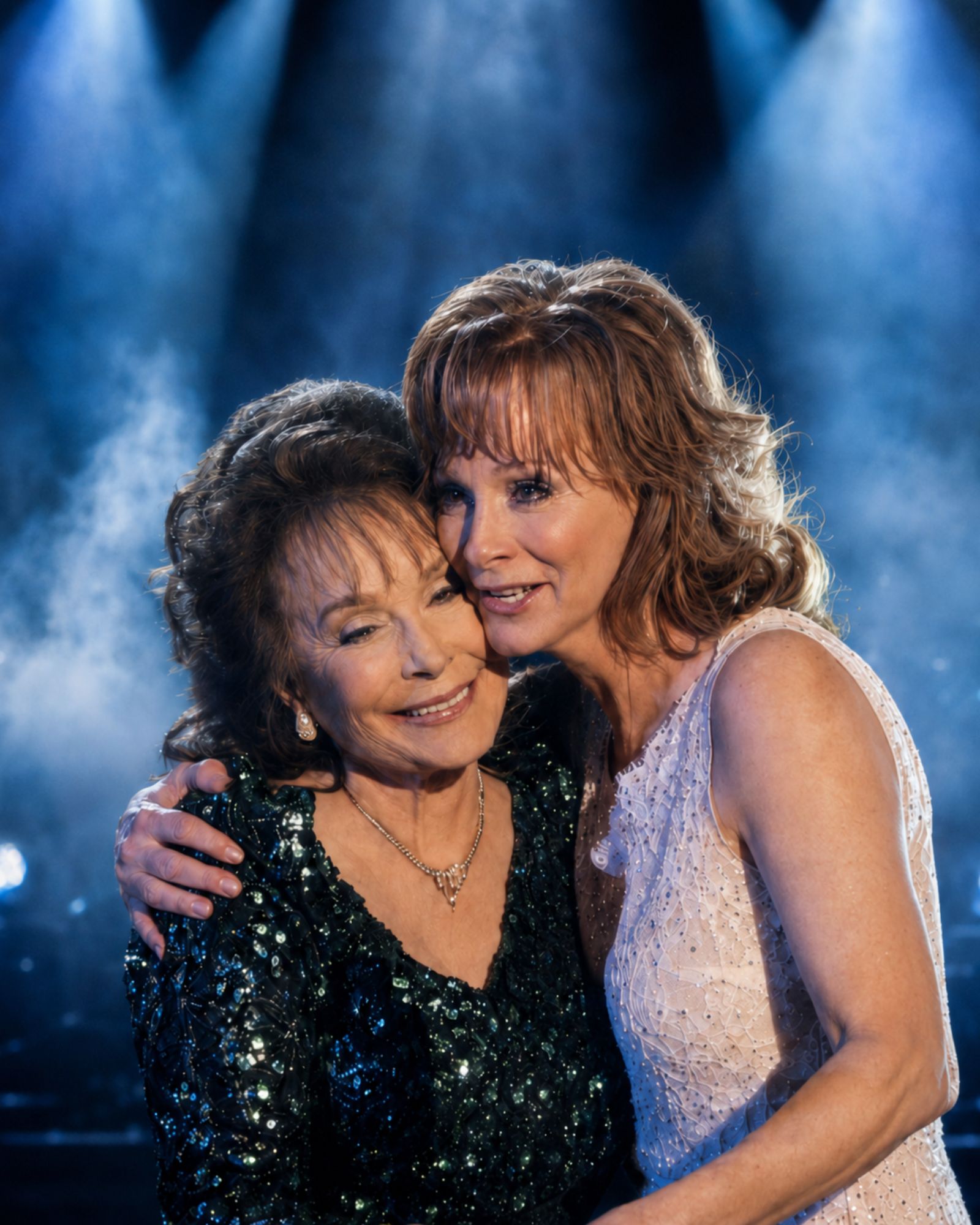
The album carried even more meaning because of who stood beside Loretta Lynn. Reba McEntire and Carrie Underwood appeared on the title track, joining Tanya Tucker and Margo Price elsewhere on the project. The result was more than a collection of songs. It became a conversation across generations.
Those voices did not compete with Loretta Lynn. They honored her. They sang beside the woman who had opened doors they could walk through. In that sense, the album felt like a passing of respect, not a passing of the torch. Loretta Lynn was still holding the flame herself.
She had nothing left to prove, and yet she still gave the world one more full-hearted record.
The Lasting Power of a Final Statement
Loretta Lynn died 19 months later, asleep at the ranch she loved. The ending was quiet, but the life behind it was anything but. Her final album now stands as more than a record. It is a document of endurance. It is a reminder that being diminished by age, illness, or injury is not the same as being finished.
What Loretta Lynn left behind was not just a catalog of songs. She left a blueprint for survival. She showed that a woman can be wounded, rested, tested, and still return with her own voice intact.
In the end, Still Woman Enough was exactly that: a final, fearless answer from Loretta Lynn to time itself. The stroke took her off the road. The broken hip took her off her feet. But neither one took her out of the song.
At 88, Loretta Lynn walked back into music and reminded the world that some voices do not fade. They stand up one more time and sing anyway.