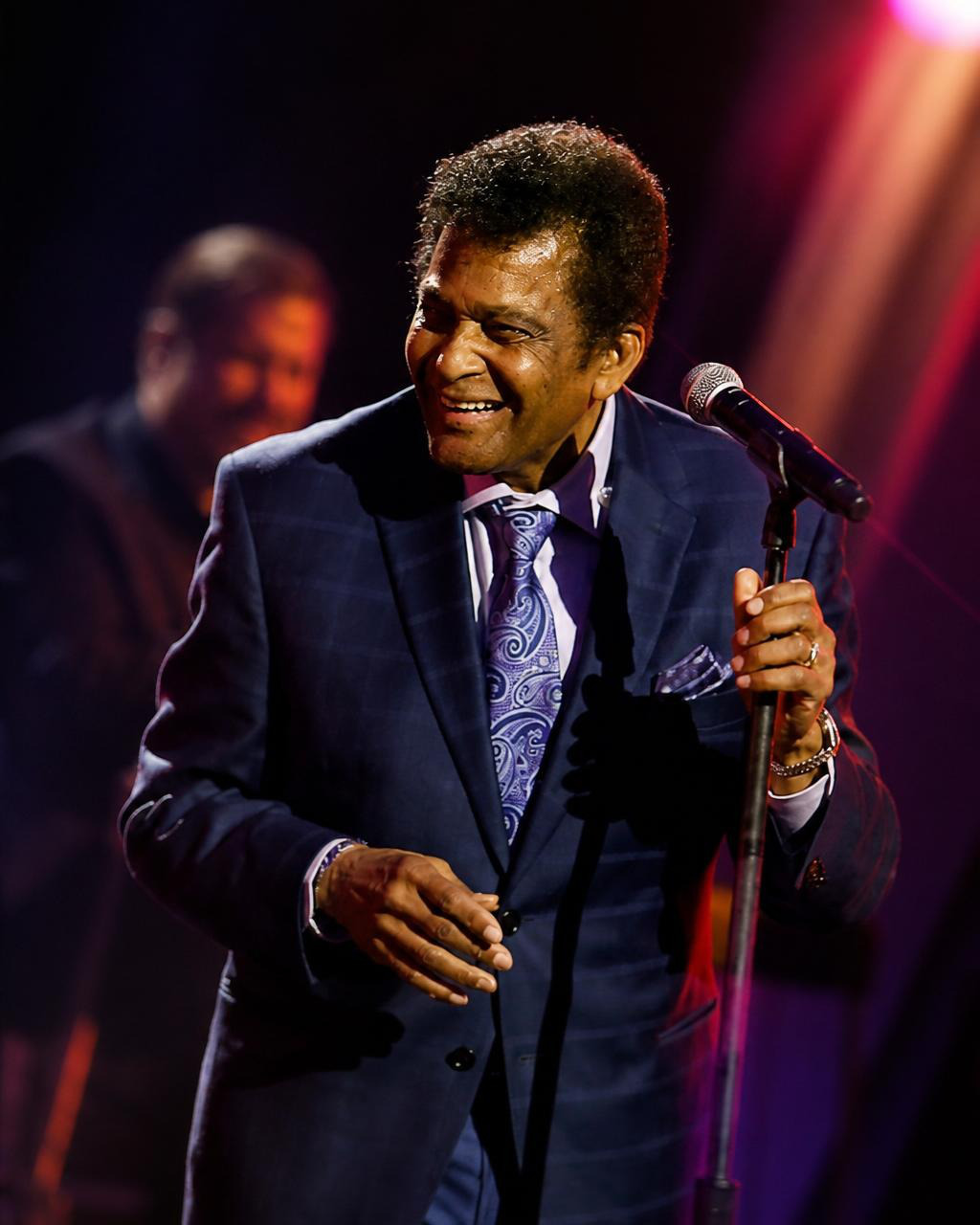
Charley Pride and the Simple Sentence That Changed Country Music
Charley Pride grew up in Sledge, Mississippi, as one of eleven children in a sharecropping family. In that house, country music was not an outsider. It was part of daily life. His father listened to the Grand Ole Opry on the family radio, and the songs coming through it felt like something Charley Pride had always known, not something he had to earn permission to love.
But the world around him was slower to understand that truth.
Charley Pride later remembered a moment from his own family life when his older sister asked, “Why are you singing THEIR music?” It was the kind of question that revealed how deeply barriers had already been accepted as normal. Charley Pride did not grow up confused about the music. He grew up understanding that other people were going to be confused about him.
A Voice Nashville Could Not Ignore
When Charley Pride reached Nashville, he did not arrive with grand speeches. He arrived with a voice, discipline, and an unmistakable sense of purpose. Country music had long been treated as a closed door, but Charley Pride kept knocking in the calmest way possible: by singing beautifully and letting the work speak for itself.
Years later, country star Webb Pierce greeted Charley Pride by saying it was good to have him in “our music.” Charley Pride answered with a quiet correction that became one of the clearest statements of his career: “Webb, it’s my music, too.”
That sentence carried more weight than argument ever could. Charley Pride was not asking to be included as a guest. He was naming a belonging that had always been true.
The Career That Followed
Charley Pride went on to become country music’s first Black superstar, earning 29 No. 1 hits and 52 Top 10 songs. His success included enduring favorites such as “Is Anybody Goin’ to San Antone,” “Kiss an Angel Good Mornin’,” and “All I Have to Offer You (Is Me).” He was inducted into the Country Music Hall of Fame in 2000, a recognition that placed his name where it belonged: among the artists who helped define the sound of the genre.
Charley Pride’s rise mattered because it was never only about charts. It was about presence. It was about proving that country music was bigger than the narrow idea some people had of who could sing it, love it, or own a place in it.
He did not borrow country music from anyone. He lived inside it, shaped it, and helped expand its reach for everyone who came after him.
“Webb, it’s my music, too.”
That answer still resonates because it was never just a reply to one man. It was a declaration to an industry, a family memory, and a country learning how to see itself more clearly. Charley Pride did not simply break through. He reminded Nashville that the door had never been meant for only one kind of voice.