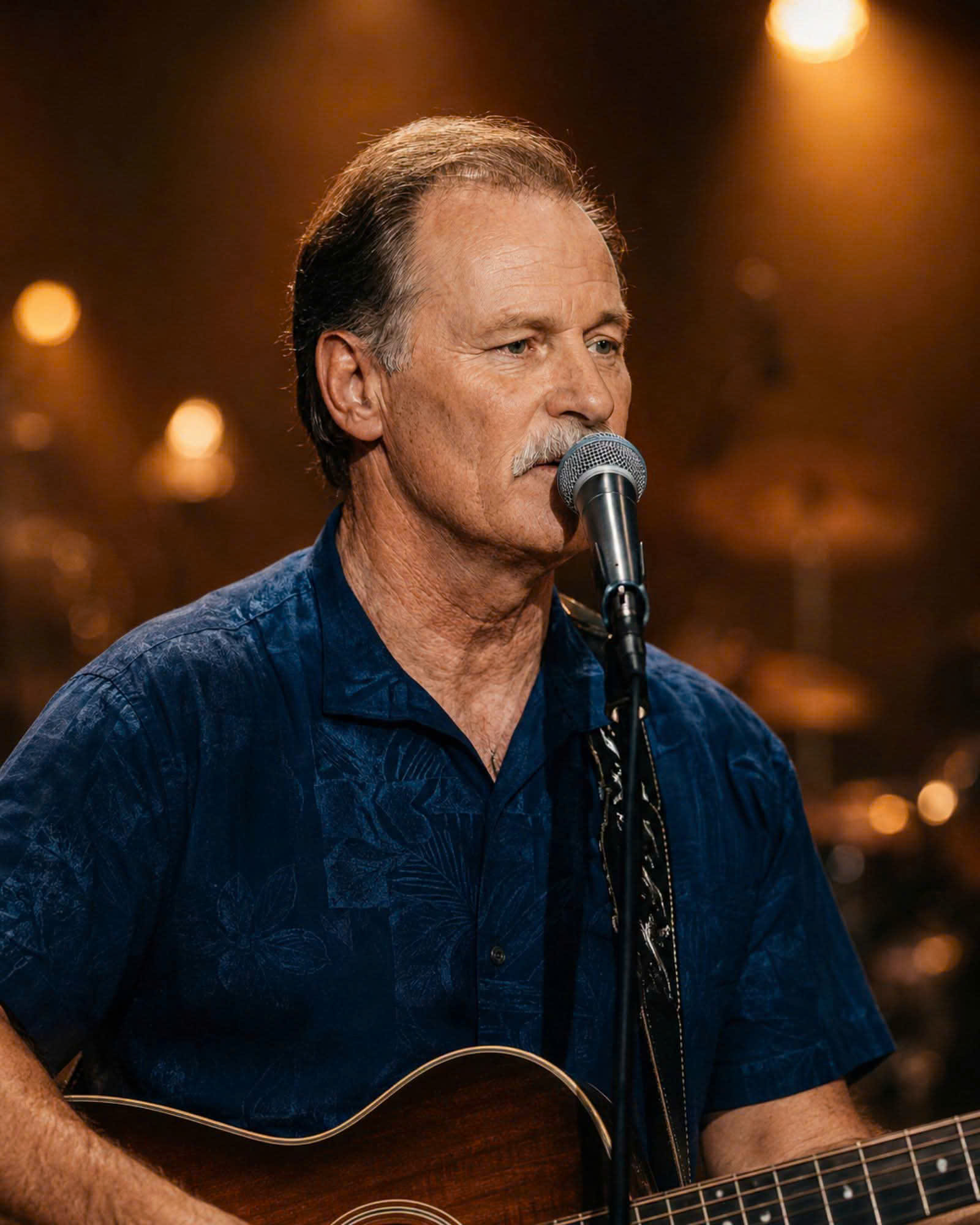
Vern Gosdin’s Quiet Farewell in Nashville
When Vern Gosdin died in Nashville on April 28, 2009, the news landed with the kind of sadness that follows a voice people have trusted for years. He was 74. According to contemporary reports, he had suffered a stroke a few weeks earlier and had been under hospice care before dying at a local hospital. For fans who knew him as “The Voice,” the loss felt personal, as if one of country music’s most honest storytellers had finally gone still.
By the time of his death, Vern Gosdin was still working in the way that mattered most to him. He was still writing songs. He was still thinking ahead. He was even hoping to return for the CMA Music Festival that June. That detail makes his final days feel especially human: not a grand ending, but a man still reaching toward the work he loved.
A public goodbye, then privacy
On Saturday, May 2, Mount Olivet Funeral Home opened its doors to the public from noon until 4 p.m. Fans came to pay their respects and to say goodbye in person. The public visitation gave listeners a final chance to honor a singer whose music had carried heartbreak, regret, and hard-won wisdom with uncommon grace.
After that four-hour farewell, the service became private. Vern Gosdin’s funeral was reserved for his family and closest friends, a quieter moment away from the crowd. He was later buried at Mount Olivet Cemetery in Nashville, closing the chapter on a life that had been lived in songs, roads, and memories.
The man behind the songs
Vern Gosdin left behind his son, Steve, his grandson, Tommy, and a circle of devoted friends. He also left behind a body of work that still reaches listeners who find comfort in the plain truth of a country song. He had a gift for sounding wounded without sounding defeated. That is a rare thing, and it is part of why his records still feel alive.
He sang pain in a way that made people feel less alone.
One of the most moving lines connected to his legacy comes from “I’d Better Write It Down,” a song that captures the idea that words can outlast the people who speak them. Vern Gosdin did more than sing that idea. He lived it. He wrote enough, sang enough, and meant enough that his voice did not disappear when the headlines faded.
What remains
There was nothing flashy about his final goodbye. That may be exactly why it fit. Vern Gosdin’s career was built on sincerity, not spectacle. The public came first, then the private grief of the people who knew him best. It was a simple order of events, but an unforgettable one.
Years later, the songs still do what they always did. They remember the ache. They carry the truth. And they remind country music fans that Vern Gosdin never needed to shout to be heard. He sang it down, and people are still listening.