The 15 Minutes That Still Divide Country Music
There are still country fans who talk about that night as if it happened yesterday.
November 2016. The 50th CMA Awards. A room full of familiar faces, polished performances, and the kind of tradition country music likes to wrap around itself like an old stage curtain. Then came the moment nobody seemed fully prepared for, even if millions were watching it unfold in real time.
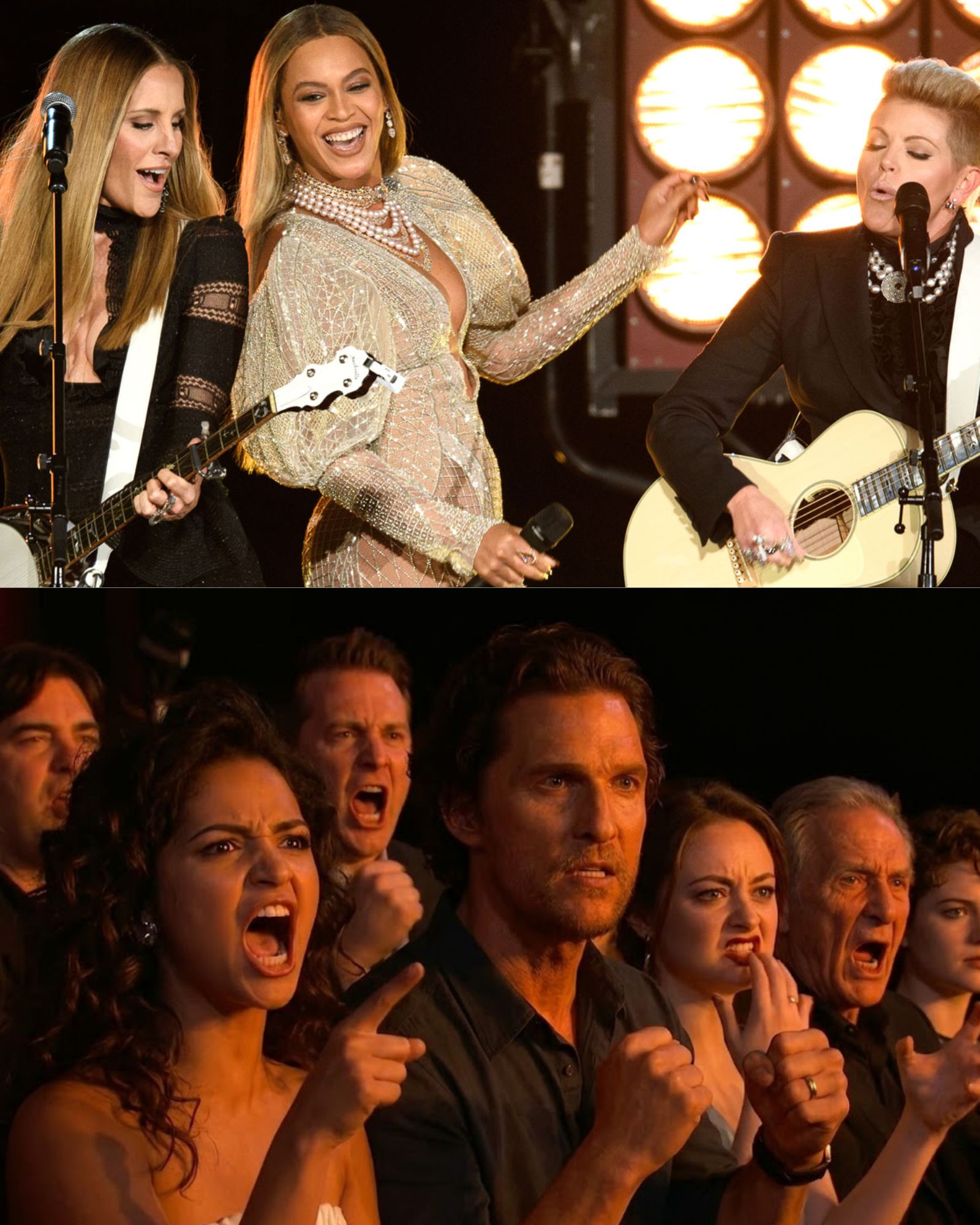
Beyoncé walked onto the stage with The Chicks, and suddenly the mood in the room changed.
It was not subtle. It was immediate. Some people rose to their feet. Some clapped hard and smiled like they knew they were seeing something bold. Garth Brooks and Miranda Lambert were among the names fans pointed to when they talked about the warm reaction inside the building. But just as quickly, another story started racing through the audience and across the internet: Alan Jackson had supposedly stood up and walked out from the front row.
Whether people focused on the applause or the rumor depended on what they already believed. And that was the real story of the night. It was never just about one song. It was about who country music was willing to make room for, and who some fans thought did not belong there.
A Performance That Felt Bigger Than the Stage
Beyoncé and The Chicks performed Daddy Lessons, a song that already carried a Southern pulse, brass swagger, and a strong sense of family history. It did not sound like a joke, and it did not feel like a stunt. It felt deliberate. Confident. It came dressed in country imagery but arrived with the force of an artist who was never going to ask permission to stand where she believed she had a right to stand.
That confidence made the performance thrilling for some viewers and infuriating for others.
Within hours, the CMA’s social media pages were flooded with angry reactions. Some were disappointed. Some were defensive. Some crossed the line into ugly, hateful territory. The kind of reaction that says more about fear than music. Then came another twist: promotional clips of the performance quietly disappeared. Just as quietly, they returned about a day later, once the backlash itself created a second backlash.
That only made the night feel even larger. It was no longer just an awards-show collaboration. It had become a cultural argument playing out in public, with country music caught in the middle.
The Song That Was Already Being Judged
Long before the CMA stage lights came up, Daddy Lessons had already been pulled into a different debate. The song had reportedly been rejected by the Recording Academy’s country committee. That detail mattered. It suggested that the tension around Beyoncé in country spaces did not begin with audience reaction. It was already present behind closed doors, in rooms where genres are sorted, stamped, and defended.
So when Beyoncé appeared at the CMAs, it felt to many people like more than a guest spot. It felt like a challenge to a gate that had already been shut.
Some fans saw a celebration of country roots. Others saw an intrusion they could not accept.
That split did not heal when the show ended. It hardened. Natalie Maines would later say the performance became the highest-rated 15 minutes in CMA history. Whether people loved it or hated it, they watched. They talked. They replayed it in their minds. And nearly ten years later, many of them still do.
The Night That Changed the Next Chapter
What makes that CMA performance feel so important now is not just the controversy. It is what came after.
For Beyoncé, that night did not close a door. It pushed one open. The resistance, the noise, the criticism, and the public debate all seemed to lead somewhere. Not right away. Not with a press conference or a grand statement. But back into the studio, back into the work, back into the question of what country music means and who gets to shape it.
Five years later, the world heard the answer in a bigger way.
That is why the performance still lingers. It was not just a brief awards-show moment that stirred headlines and then disappeared. It became part of a longer story about identity, tradition, ownership, and change. For some country fans, it remains a night they wish had never happened. For others, it was proof that country music has always been bigger than the people trying to fence it in.
And maybe that is why the memory refuses to fade.
Because for fifteen minutes, under bright lights and nervous smiles, country music was forced to look at itself. And what it saw was not simple. It was proud, divided, defensive, curious, stubborn, and evolving all at once.
That kind of moment does not end when the applause stops.
It follows the genre home.