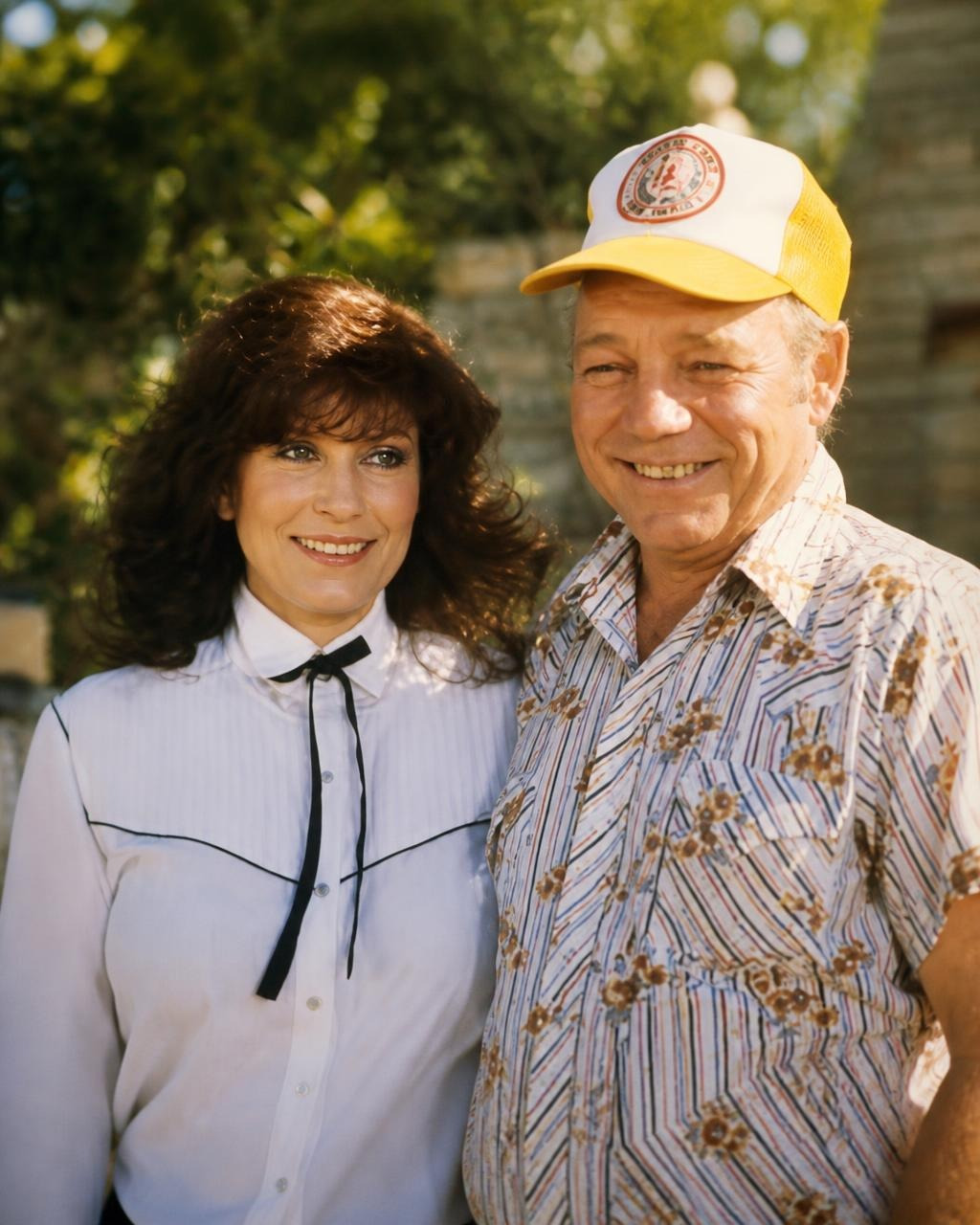
The Man Who Bought Loretta Lynn Her First Guitar Was the Same Man She Wrote “Fist City” About
Before Loretta Lynn became one of country music’s fiercest storytellers, she was a young woman with a borrowed dream and a husband who saw more in her voice than she did. Doolittle “Doo” Lynn was the one who spent seventeen dollars on her first guitar, convinced that Loretta Lynn could sing as well as anyone on the radio. That small purchase changed everything. It gave Loretta Lynn not just an instrument, but a way into the life she was meant to live.
Doolittle Lynn did more than buy the guitar. He pushed Loretta Lynn onto stages when she was still uncertain and unproven. He believed in her before the industry did, and when her first recording, “I’m a Honky Tonk Girl,” had no major label machine behind it, Doolittle Lynn helped drive the record from station to station. Copies were mailed out by the thousands, and disc jockeys began to play it. The hustle mattered. The song caught on. Loretta Lynn was on her way.
That part of the story can sound almost like a country fable: a husband, a guitar, a car full of records, and a woman who becomes a star. But Loretta Lynn never told the full story as if it were simple. Doolittle Lynn was also a heavy drinker. He cheated on Loretta Lynn for years, and he hit her. Loretta Lynn did not hide that from the public, and she did not write songs that smoothed over the truth.
When the songs turned personal
Some of Loretta Lynn’s most memorable hits came from the life she was actually living. “Don’t Come Home A-Drinkin’” became her first number one, and it drew from the frustration and pain of loving a man whose drinking shaped the home. Later, “Fist City” captured another sharp kind of anger: a woman warning off someone who was getting too close to her man.
“I loved him and he loved me.”
That line carries the weight of the whole relationship. Loretta Lynn was asked why she stayed, and she did not offer a neat answer. She named her six children first. Then came the harder truth: love did not erase damage, and damage did not erase love.
A marriage that lasted, and a legacy that endured
Loretta Lynn and Doolittle Lynn were married for forty-eight years, until Doolittle Lynn died in 1996. Over time, their marriage became one of the most complicated parts of Loretta Lynn’s public image. He helped build her career, and he also caused her deep hurt. Both things were true, and Loretta Lynn never seemed interested in pretending otherwise.
That honesty is part of why Loretta Lynn still matters. She sang about women who were tired, angry, loyal, disappointed, and proud. She turned private pain into public art without sanding off the rough edges. In doing so, Loretta Lynn gave country music something rare: songs that sounded lived-in, because they were.
So the story of the man who bought Loretta Lynn her first guitar is not a tidy one. It is the story of a husband who believed in her talent, helped launch her career, and also wounded her. It is the story behind songs that still sting, still resonate, and still feel real. And it is the story of Loretta Lynn herself: not a legend made out of fantasy, but a woman who told the truth and made music from it.