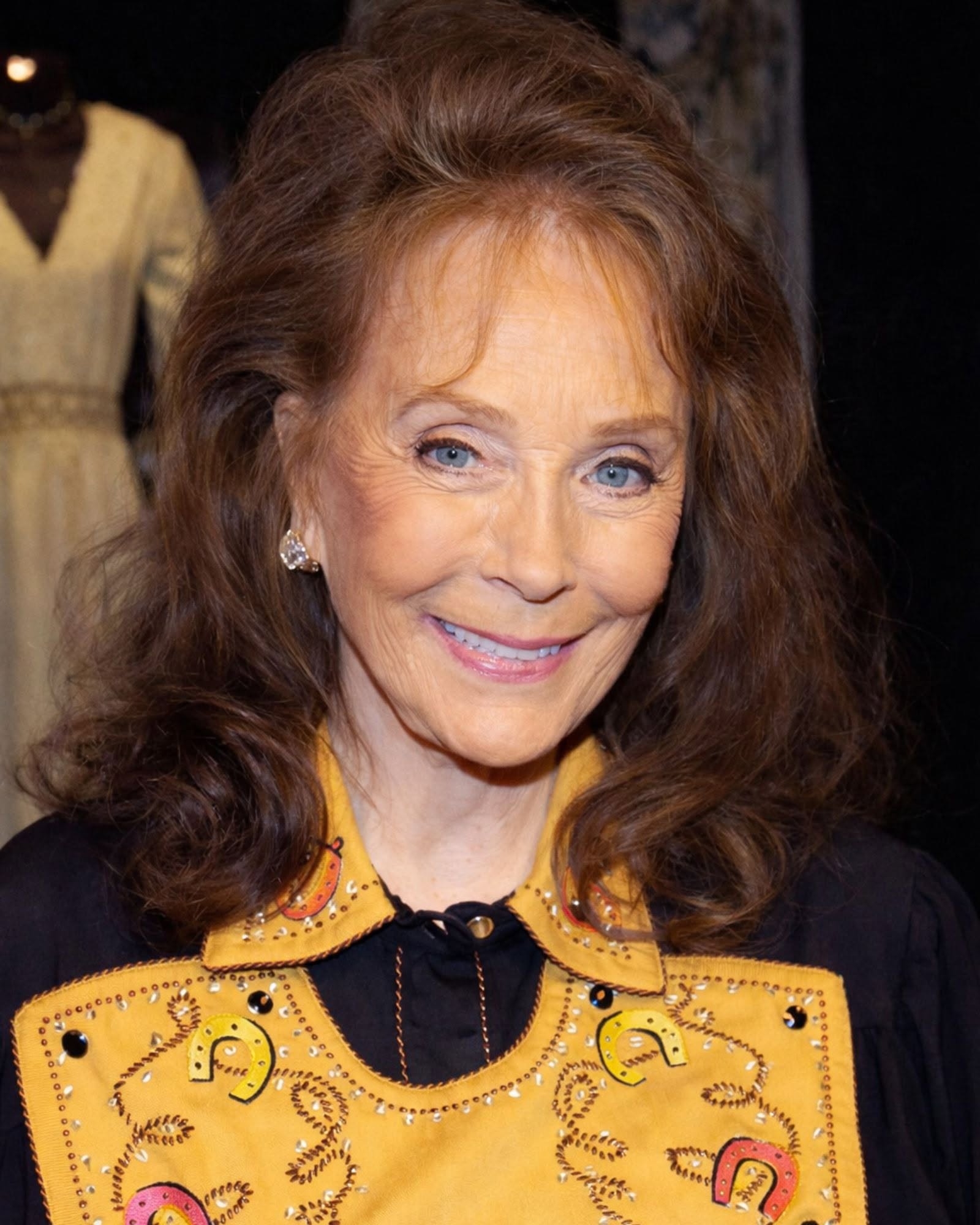
Loretta Lynn, Still Woman Enough
When people talk about Loretta Lynn, they often talk about survival first. She survived poverty, grief, fame, and the hard distance between the life she was born into and the life she built with her own voice. By the late 2010s, her health had become part of the public conversation too. In 2017, Loretta Lynn suffered a stroke that forced her off the road. A year later, she broke her hip. For many in Nashville, it looked like the end of a remarkable chapter.
But Loretta Lynn was never easy to finish. That is what made her such a defining figure in country music. She kept going, not with loud declarations, but with work. In March 2021, at 88, she released Still Woman Enough, her 50th studio album. It arrived more than six decades after her first single, and it carried the same directness that shaped so much of her career. The title felt like a statement, but it also felt like a reminder.
A Voice That Kept Returning
Still Woman Enough did not sound like a farewell record made to close the door gently. It sounded like Loretta Lynn looking back while still standing inside the moment. The album included new versions of older songs and fresh collaborations, but the larger story was simpler: Loretta Lynn was still writing, still recording, still insisting on her place in the room.
That mattered because her story had always been larger than charts and awards. She was the coal miner’s daughter who turned family struggle into art. She sang about marriage, independence, desire, and disappointment in a way that made millions of listeners feel seen. Even late in life, Loretta Lynn kept that same plainspoken force. She did not ask permission to remain relevant. She just remained.
Sometimes the most powerful statement is not a grand comeback. Sometimes it is simply refusing to disappear.
The Final Chapter
Then, on October 4, 2022, Loretta Lynn died in her sleep at her ranch in Hurricane Mills, Tennessee. She was 90. The news landed with a quiet shock because it changed the meaning of that final album almost instantly. Still Woman Enough stopped sounding like a description of recovery and started sounding like a last full sentence.
That is why Loretta Lynn’s legacy still feels so personal. She did not become beloved by being untouchable. She became beloved by being tough, human, and unafraid to tell the truth. The feeling many fans carried that day was not only sadness, but gratitude. She had given the world one more record, one more reminder, one more moment of defiance before the silence.
And maybe that is the deepest reason the title stayed with people. Loretta Lynn did not only survive. She kept creating. She kept showing up. She kept being Loretta Lynn, all the way to the end.