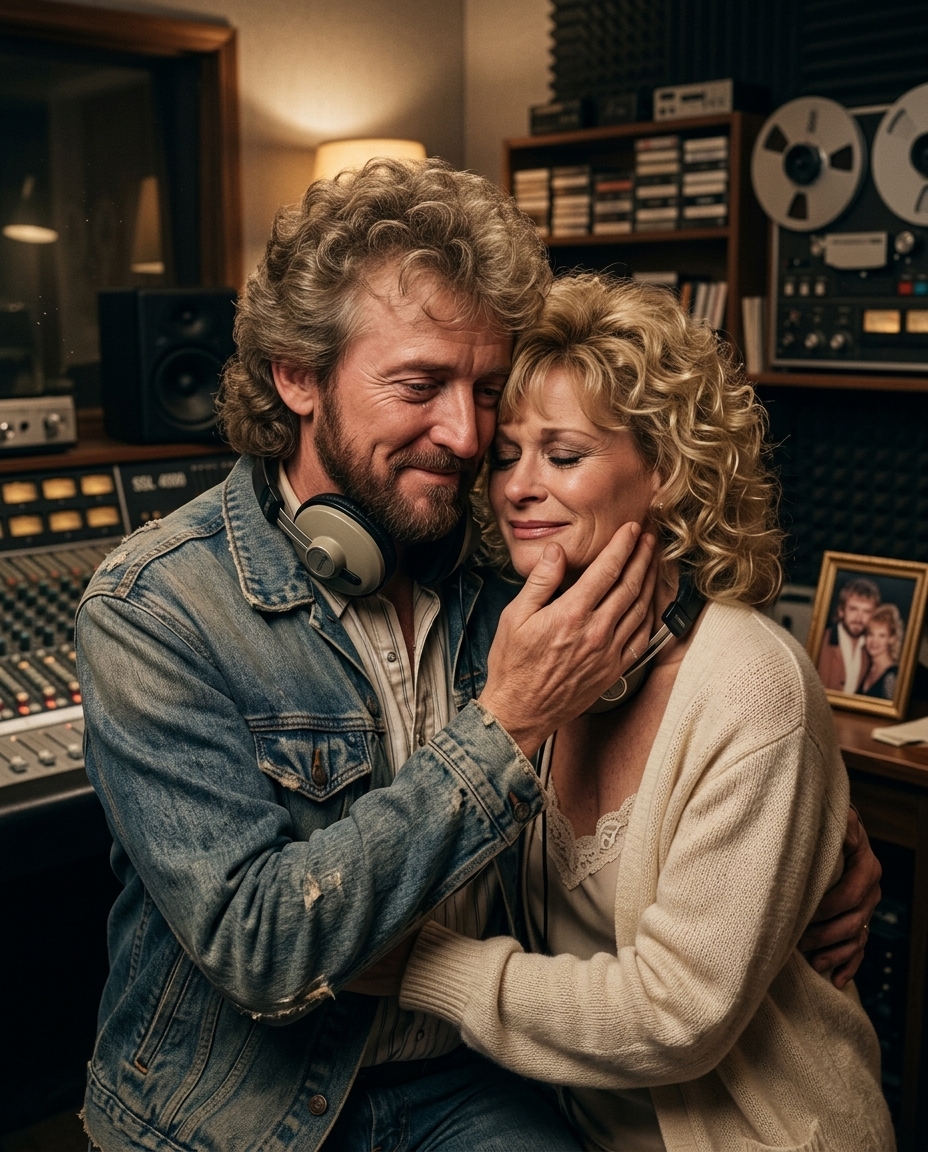
Keith Whitley and Lorrie Morgan’s Duet Still Feels Like a Goodbye
Keith Whitley and Lorrie Morgan did not just sing a duet. Keith Whitley and Lorrie Morgan left behind a goodbye that still breaks hearts.
When “’Til a Tear Becomes a Rose” was released in July 1990, Keith Whitley was already gone. That single fact changes the way people hear the song. It is not just another country ballad. It is not simply two beautiful voices meeting in harmony. It feels like a final conversation between two people who loved each other, lost each other, and somehow found one last place to stand together: inside the music.
Keith Whitley had one of the most unmistakable voices in country music. There was a quiet ache in the way Keith Whitley sang, a kind of honesty that never needed to be forced. Lorrie Morgan brought something equally powerful to the recording. Lorrie Morgan did not sound like she was just performing a song. Lorrie Morgan sounded like she was holding on.
A Love Song Changed by Loss
“’Til a Tear Becomes a Rose” had been recorded before. Leon Everette first recorded the song in 1985, giving it life years before Keith Whitley and Lorrie Morgan made it their own. But when Keith Whitley and Lorrie Morgan’s version arrived, the meaning shifted. The lyrics suddenly carried a weight that no arrangement could manufacture.
The song became the only single released from Keith Whitley’s Greatest Hits album. It reached No. 13 on the country chart and later won CMA Vocal Event of the Year. Those achievements matter, but they do not fully explain why the song still stops people in their tracks. Awards can honor a recording. Chart numbers can measure attention. But they cannot measure the feeling of hearing two voices sound as if they are reaching across time.
That is what makes this duet different. Every line seems to carry the shadow of what had happened. Every harmony feels tender because listeners know Keith Whitley was no longer there to stand beside Lorrie Morgan onstage, no longer there to sing it live as a shared moment between husband and wife.
Why the Duet Still Hurts
There are many country duets about love. Some are playful. Some are dramatic. Some are built around perfect vocal chemistry. But “’Til a Tear Becomes a Rose” has something rarer. It has the feeling of truth.
When Keith Whitley’s voice enters, there is warmth. When Lorrie Morgan answers, there is tenderness. Together, the two voices do not compete. They lean into each other. The result feels less like a studio recording and more like a private moment listeners were allowed to witness.
Some songs become famous because people remember the melody. This song became unforgettable because people remember how it made them feel.
For longtime country fans, the duet remains painful because it captures what grief often feels like. Love does not disappear just because someone is gone. It lingers in small details, in old recordings, in familiar voices, in songs that suddenly mean more than they once did.
A Goodbye That Still Heals
What makes “’Til a Tear Becomes a Rose” so lasting is not only the sadness. If the song were only heartbreaking, people might not return to it so often. But there is comfort inside it too. Keith Whitley and Lorrie Morgan created something that allows listeners to feel loss without being swallowed by it.
The song gives grief a melody. It gives memory a place to rest. It reminds people that love can remain present even when life changes forever. That is why the duet still matters decades later. It does not feel trapped in 1990. It feels alive every time someone presses play.
Keith Whitley and Lorrie Morgan did not leave behind a typical country duet. Keith Whitley and Lorrie Morgan left behind a song that sounds like love, loss, memory, and goodbye all at once.
Some duets are remembered because they are beautiful.
This one is remembered because it still hurts — and somehow, it still heals.