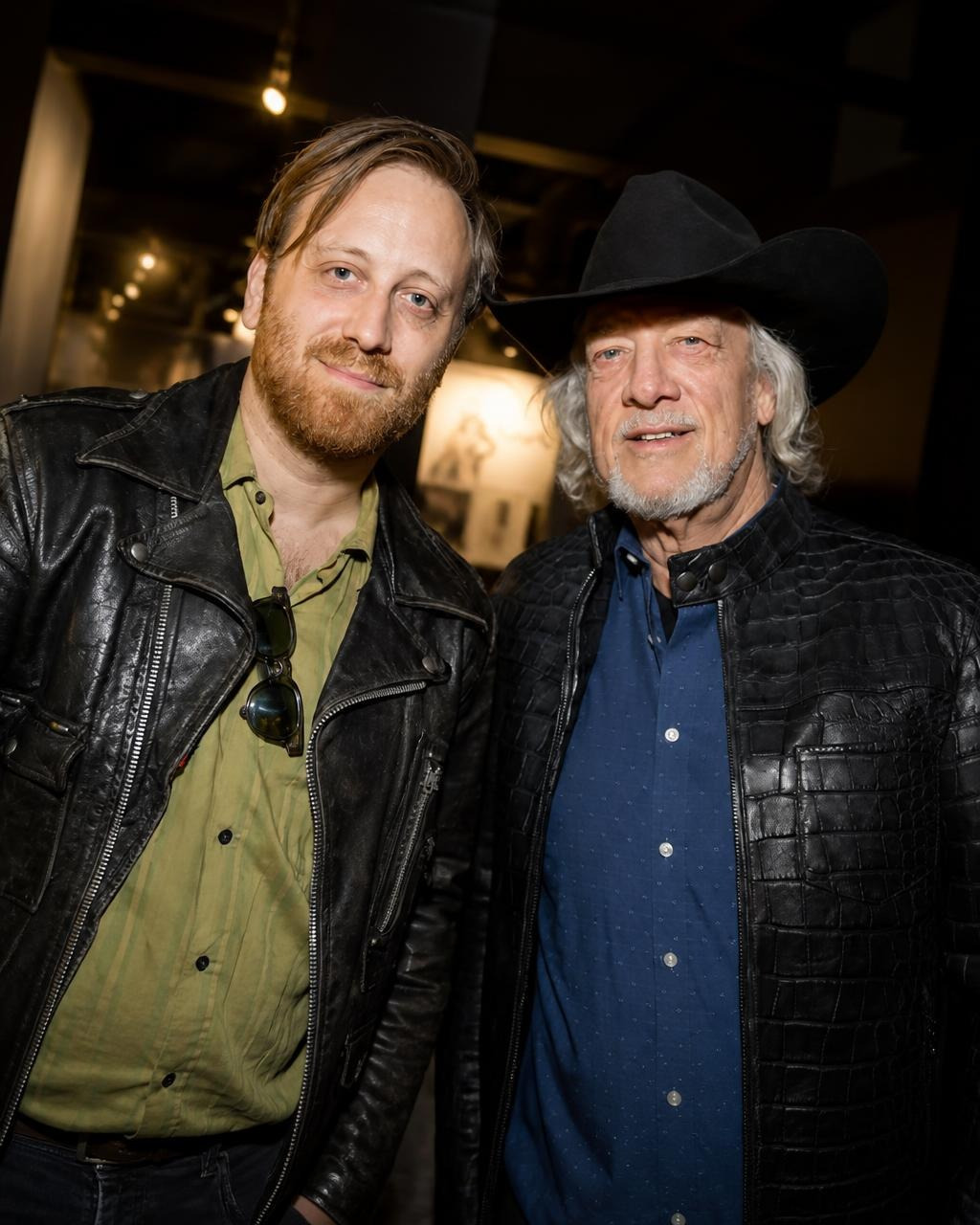
John Anderson Thought He Might Never Sing Again. Then Dan Auerbach Helped Him Make the Album He Feared Could Be His Last.
In 2017, John Anderson faced a frightening stretch that changed the way he heard the world and, for a time, the way he imagined his future. The country veteran behind “Swingin’” and “Seminole Wind” went through a serious medical crisis and later said he lost much of his hearing for months. For a singer, that kind of silence can feel like the end of everything.
Anderson did not know whether he would ever sing properly again. He was dealing with uncertainty, fear, and the slow, frustrating work of recovery. In later interviews, he described a period when music, which had always been his compass, suddenly felt out of reach.
That is where Dan Auerbach entered the story. The Black Keys co-founder reached out and brought Anderson into Easy Eye Sound in Nashville, working alongside veteran producer David Ferguson. The goal was not to modernize John Anderson into something he was not. It was to build songs around the voice, character, and life he already had.
The sessions became Years, released on April 10, 2020, as John Anderson’s first studio album in five years. The record marked a return, but it was also something deeper: a document of resilience, faith, and hard-won gratitude. Anderson later said making the album felt like a healing process, and he told Auerbach and Ferguson that it might be his last.
For John Anderson, the studio became more than a workplace. It became a place to test whether the voice was still there, and whether the man behind it still had something to say.
He did. Years carried the sound of an artist looking back without surrendering to the past. It also included “Tuesday I’ll Be Gone,” with Blake Shelton joining John Anderson on the track, adding another generation’s respect to the project.
By the time the album arrived, the story around it had become larger than a comeback. It was about a country legend who had looked at illness, silence, and mortality, then found a way to sing through all of it. At 65, John Anderson was not trying to prove he was young. He was proving he was still here.