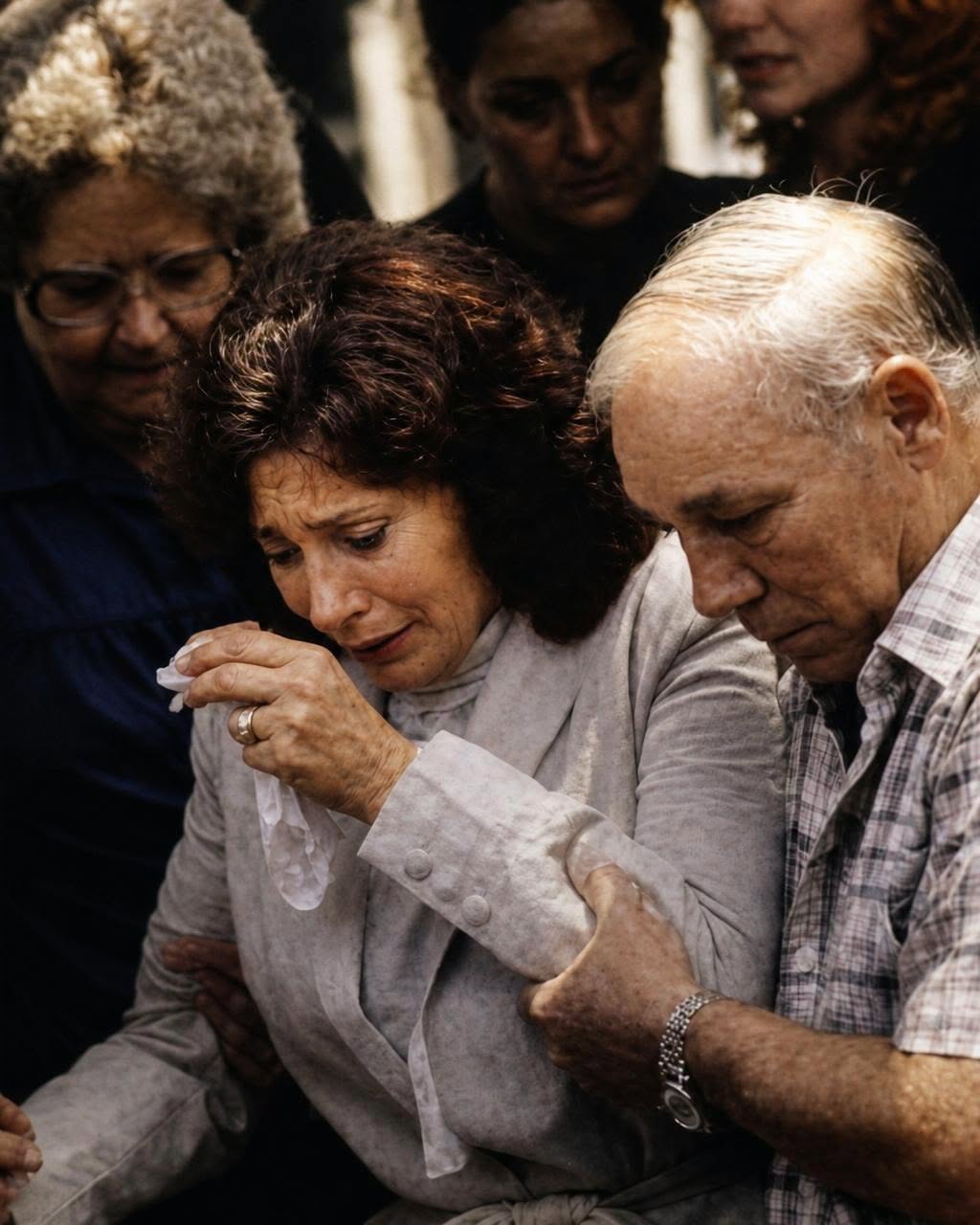
Loretta Lynn, Loss, and the Day Her Life Changed in 1984
In July 1984, Loretta Lynn was already one of country music’s defining voices. By then, the singer from Hurricane Mills, Tennessee had become a household name, with a bestselling story of survival, a film adaptation of Coal Miner’s Daughter, and a career built on songs that told the truth about marriage, motherhood, and the hard edges of ordinary life. She had already faced loss before, including the death of Patsy Cline in 1963. But nothing prepared her for what happened that summer.
Her eldest son, Jack Benny Lynn, was 34 when he died in a drowning accident on the family ranch in Hurricane Mills. Reports from the time said he apparently tried to ford the Duck River on horseback and was recovered near Waverly, Tennessee after going missing. The tragedy took place on property tied to Loretta Lynn’s own life and work, which made the loss feel even more personal and even harder to absorb.
At the same time, Loretta Lynn was not at home. She had collapsed while traveling back from a concert, and she was hospitalized before she learned the reason everyone around her was so shaken. Contemporary reporting said her husband, Oliver “Doolittle” Lynn, had to tell her the news in person after she was already in the hospital. That detail has stayed with the story for decades because it captures the strange cruelty of the moment: she was alive, surrounded by care, yet separated from the truth until her body was strong enough to hear it.
For Loretta Lynn, grief was never clean or distant. It lived beside work, family, and the road. She had spent years raising children while touring, and she had built a career by speaking honestly about pain other artists avoided. After Jack Benny Lynn’s death, that honesty seemed heavier, as if every performance carried another private memory underneath it. Friends and observers later described that period as one in which something in her changed for good.
A Family Story Marked by Both Fame and Loss
Loretta Lynn’s life did not stop in 1984. She kept recording, kept performing, and kept being the center of a large family story that included more heartbreak in later years. She would eventually outlive other loved ones, and the losses stacked up in a way that only deepened the sadness already carried from that July. Yet the public image remained the same: strong, direct, and unafraid to keep going.
What makes the 1984 tragedy so haunting is not just the accident itself, but the silence around it. Loretta Lynn did not turn her pain into spectacle. She continued forward, even when the road clearly cost her something permanent. That is part of why her story still resonates. It is not simply about fame. It is about a mother, a performer, and a woman who endured public success while carrying private sorrow that never fully left her side.
Sometimes the hardest part of grief is not the loss itself, but the moment you are finally told what your heart already suspects.
Loretta Lynn’s 1984 loss remains one of the most painful chapters in her life because it reminds us that even icons are vulnerable to the same unbearable shocks as everyone else. The songs, the fame, and the legend could not protect her from that river, or from the long silence that followed.