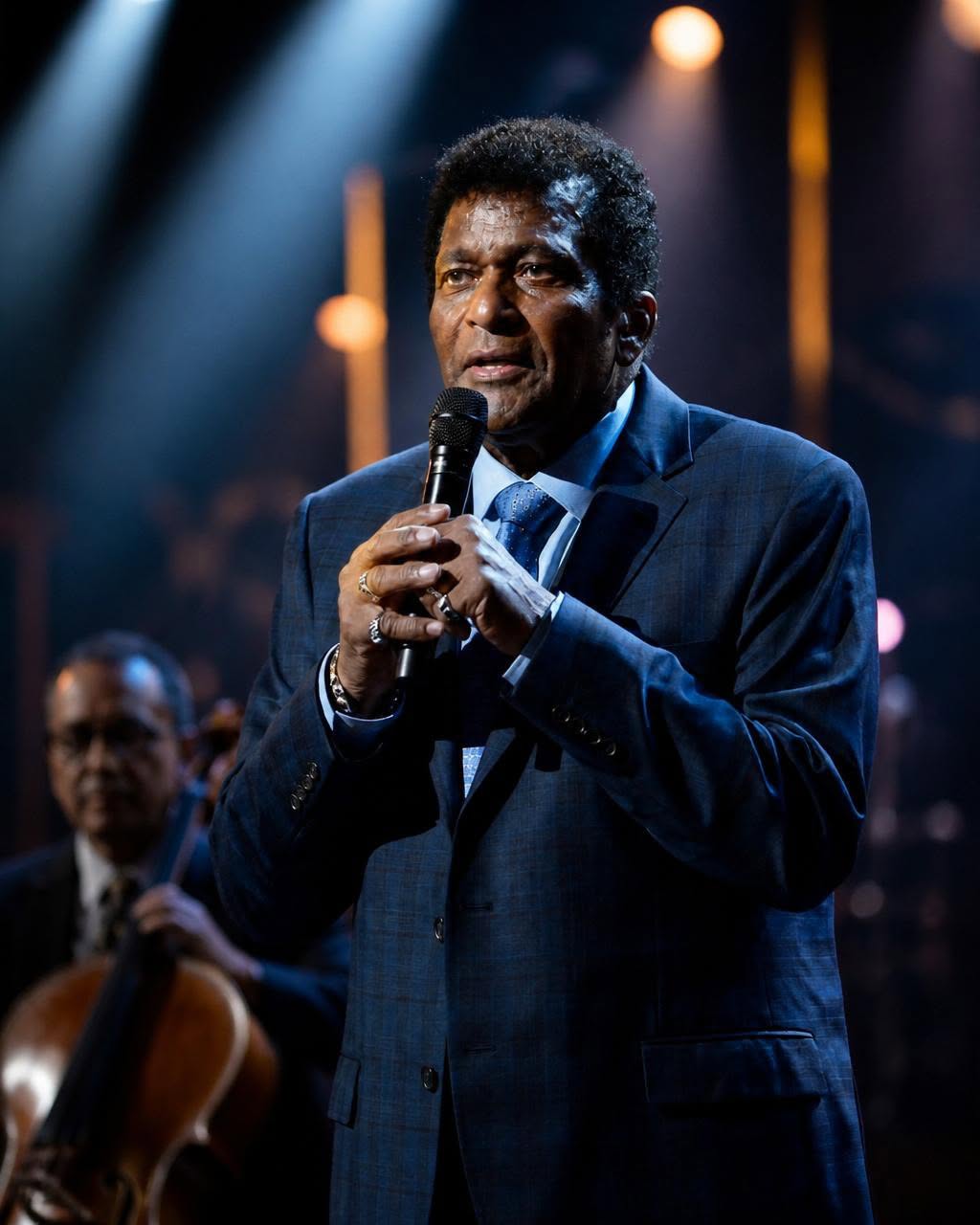
Charley Pride’s Final Bow: The Night He Sang in Nashville
On November 11, 2020, Charley Pride stood under the lights in Nashville and sang on national television. At 86, he was there to receive the Willie Nelson Lifetime Achievement Award at the CMA Awards, and the moment felt larger than one performance. It felt like a full-circle arrival for a man who had spent decades proving that a great voice can open doors that prejudice once tried to keep shut.
For many viewers, that night was the first time they had really stopped to think about the road Charley Pride had traveled. He was born in Sledge, Mississippi, one of eleven children, and he grew up picking cotton before music took over his life. Before the fame, he also pitched in the Negro American League and sang on the team bus between ballparks. That history gave his voice a weight that could not be manufactured.
When RCA released his first record in 1966, the label reportedly sent it to radio stations without his photograph. The idea was simple: let the music speak first. It worked. Audiences embraced the sound, and Charley Pride went on to earn more than fifty top-ten hits, becoming one of country music’s most important and beloved artists.
A Night of Honor, Not a Farewell
The Nashville appearance was meant to be a celebration, not a goodbye. Charley Pride already had another performance on the calendar for February 2021 at Volunteer Jam, also in Nashville. He was still planning ahead. He was still working. He was still moving toward the next stage.
Then came late November, and the health scare that changed everything. According to family and reporting after his death, Charley Pride was admitted to the hospital with COVID-19-type symptoms. His manager later said he had tested negative multiple times after returning to Dallas from Nashville, and the CMA said he had tested negative at the awards show. The details matter because they show how quickly the situation turned.
The Calendar Kept Going Without Him
On December 12, 2020, Charley Pride died in Dallas from complications of COVID-19. He was 86. The loss stunned fans who had just seen him perform a month earlier, still upright, still singing, still fully present in front of the country music world.
That contrast is what makes his story linger. For years, he had been kept at a distance by an industry that did not always know what to do with a Black man in country music. Yet the music found its way through. The voice reached people first. The face came later. The truth came eventually.
They once tried to let the radio decide. In the end, the whole country knew who Charley Pride was.
And that is why the November performance still resonates. It was not just a final television appearance. It was a final chapter written in public, in the same city where he had been honored, with the next booking still waiting on the calendar. The February show never happened. But the voice did what it had always done: it stayed with people.
Charley Pride did not leave quietly. He left after singing, after being seen, and after making history one more time.