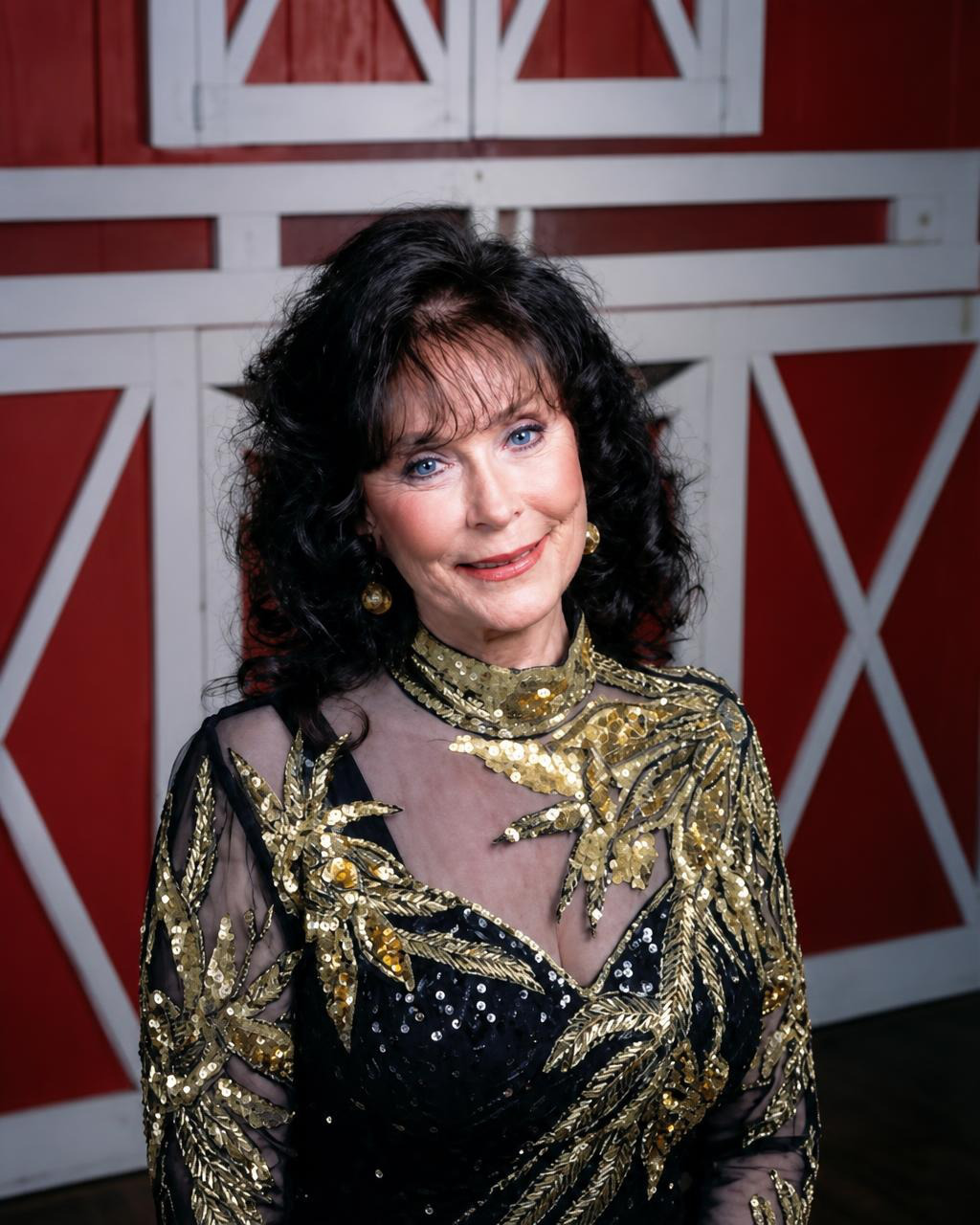
Forget the Awards. Loretta Lynn Sang What Women Were Told to Hide
Loretta Lynn did not build her legacy by asking permission. She built it by telling the truth, even when country radio flinched. Years later, she would tell Jack White that country radio had banned 14 of her songs, a line that says almost everything about the tension around her music and the world it came from. Loretta Lynn wrote and sang about marriage, motherhood, birth control, cheating, and the hard math of rural life because those were the realities many women lived with every day.
In 1972, Loretta Lynn became the first woman named CMA Entertainer of the Year. It was a landmark moment, but it did not soften her edge. Her husband, Doo, missed the ceremony because he was out hunting, and the story fits Loretta Lynn perfectly: a woman making history while life around her kept moving in ordinary, stubborn ways.
Then came “The Pill”. Loretta Lynn recorded it in 1972, but MCA did not release it until 1975. When it finally reached the public, many radio stations refused to play it. A Kentucky preacher even condemned it from the pulpit. The backlash was loud, but so was the support from listeners who heard themselves in the song.
Loretta Lynn was not inventing controversy. She was naming it.
That was the deeper power of her work. She was not singing abstract rebellion. She was singing about women who had been expected to endure in silence. She put words to birth control, pregnancy, divorce, double standards, and the private frustration of being judged for choices men were rarely asked to defend. In rural America, where country music was part confession and part comfort, those songs landed with force.
Loretta Lynn later said the Grand Ole Opry held a three-hour meeting about whether she should be allowed to perform “The Pill” there. Her answer was blunt: if they banned her over it, they could keep the Opry. That response was pure Loretta Lynn — direct, funny, and impossible to intimidate.
What makes her story still matter is not only that she challenged country radio. It is that she understood her audience. Women were listening. They may not have had a microphone, but they had a life, and Loretta Lynn gave that life a chorus. Every time someone tried to push one of her songs out of the room, the silence only made her voice sound louder.
In the end, the awards mattered less than the argument she started and kept winning. Radio decided what country music would play. Loretta Lynn decided what it would say.