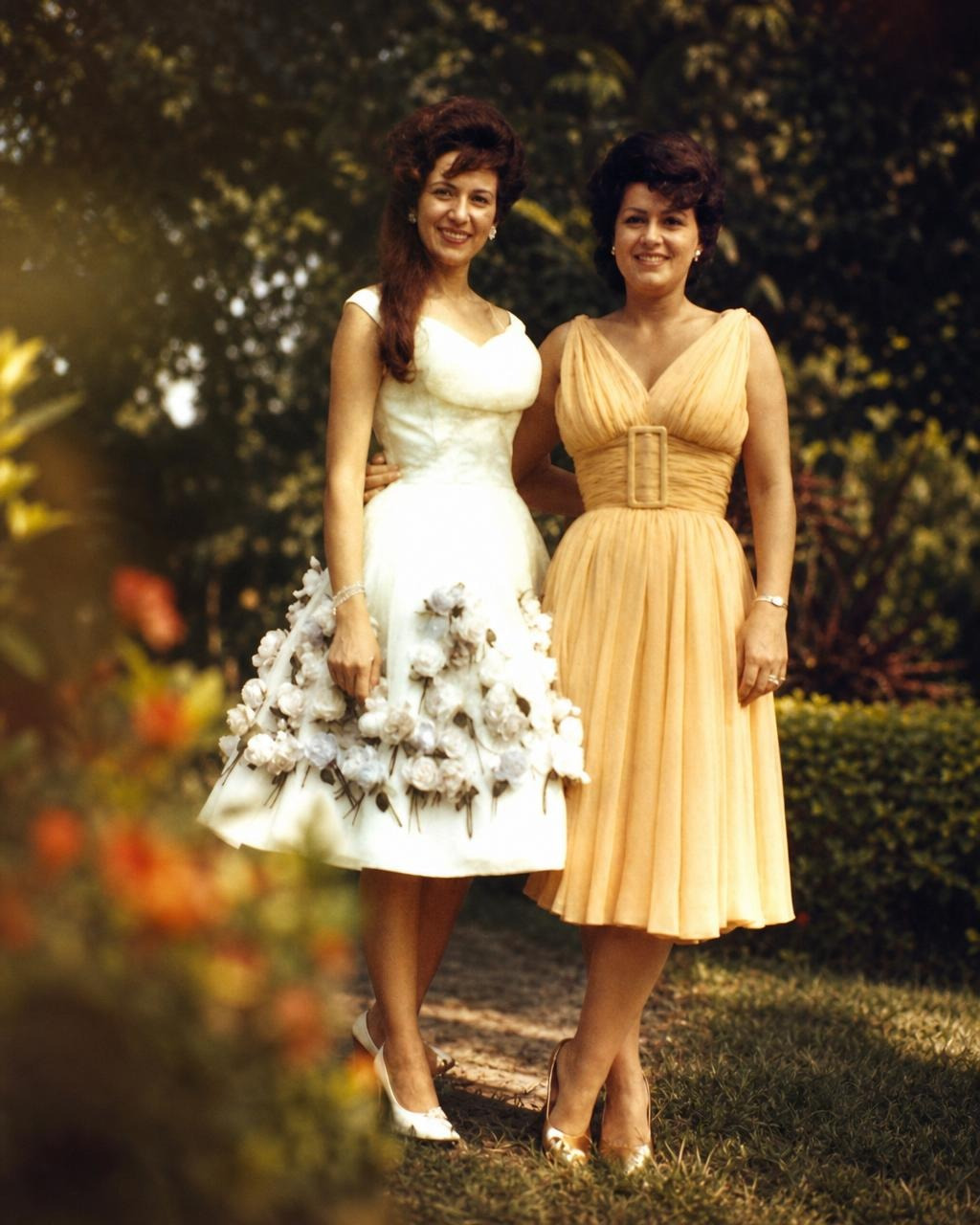
Patsy Cline’s Last Conversation With Dottie West
On March 3, 1963, in Kansas City, Patsy Cline finished singing at a benefit for the family of DJ Cactus Jack Call. The night had the feeling of an ordinary stop on a busy tour, but nothing about Patsy’s life was ordinary anymore. She was tired, famous, and always moving from one stage to the next. Backstage, Dottie West offered Patsy a ride home to Nashville. It was a long drive, about eight hours, but it was safe, and there was room.
Patsy almost said yes.
Instead, she chose to fly. She wanted to get back to her two children faster, and the plane seemed like the quicker answer. The aircraft was a small Piper Comanche, and it was being flown by her manager, Randy Hughes, who had only 44 flight hours. At the time, that detail did not feel like a headline. It felt like a decision made in the middle of a hectic life.
A Warning Hidden in Plain Sight
What Dottie West did not know that night was that Patsy Cline had already been thinking about the end in a way most people around her could not bear to hear. She had written her will on Delta Airlines stationery. She had begun giving away personal belongings to friends, including Loretta Lynn and June Carter. She told people close to her that she did not think she had much time left.
“Don’t worry about me, hoss. When it’s my time to go, it’s my time.”
Those words stayed with Dottie West for the rest of her life. They sound calm now, almost unreal, but in the moment they were part of a private conversation between two women who understood the pressure of chasing success while carrying something heavier underneath.
The Crash That Changed Everything
Two days later, on March 5, 1963, the plane went down in a forest near Camden, Tennessee, at 6:20 p.m. Patsy Cline was only 30 years old. The news moved quickly through country music, and grief followed just as fast. Fans lost a voice they loved. Friends lost a force they depended on. The industry lost someone who had broken through with emotion that felt honest and unforgettable.
For Dottie West, the loss carried a strange kind of weight. She had offered the car ride. She had spoken with Patsy only days before the accident. That last exchange became something she could never quite put away. It was not just a memory. It became a moment frozen in time, a reminder of how quickly life can turn without warning.
Why the Story Still Matters
People still talk about Patsy Cline because her music still feels alive, but this story lingers for another reason. It reminds us that even the brightest public lives are lived by real people making hurried choices, trusting the moment, and saying goodbye without knowing it.
There is sadness in that, but also tenderness. Patsy Cline’s final days were filled with loyalty, work, and love for her family and friends. Dottie West’s memory of that last conversation gives the story a human face. It is not just a tragedy from the past. It is a reminder to slow down, listen closely, and value the people standing in front of us before the moment passes.
In country music history, Patsy Cline remains unforgettable. In the memory of Dottie West, she remained something even more personal: a friend whose final words still echoed long after the plane disappeared from the sky.