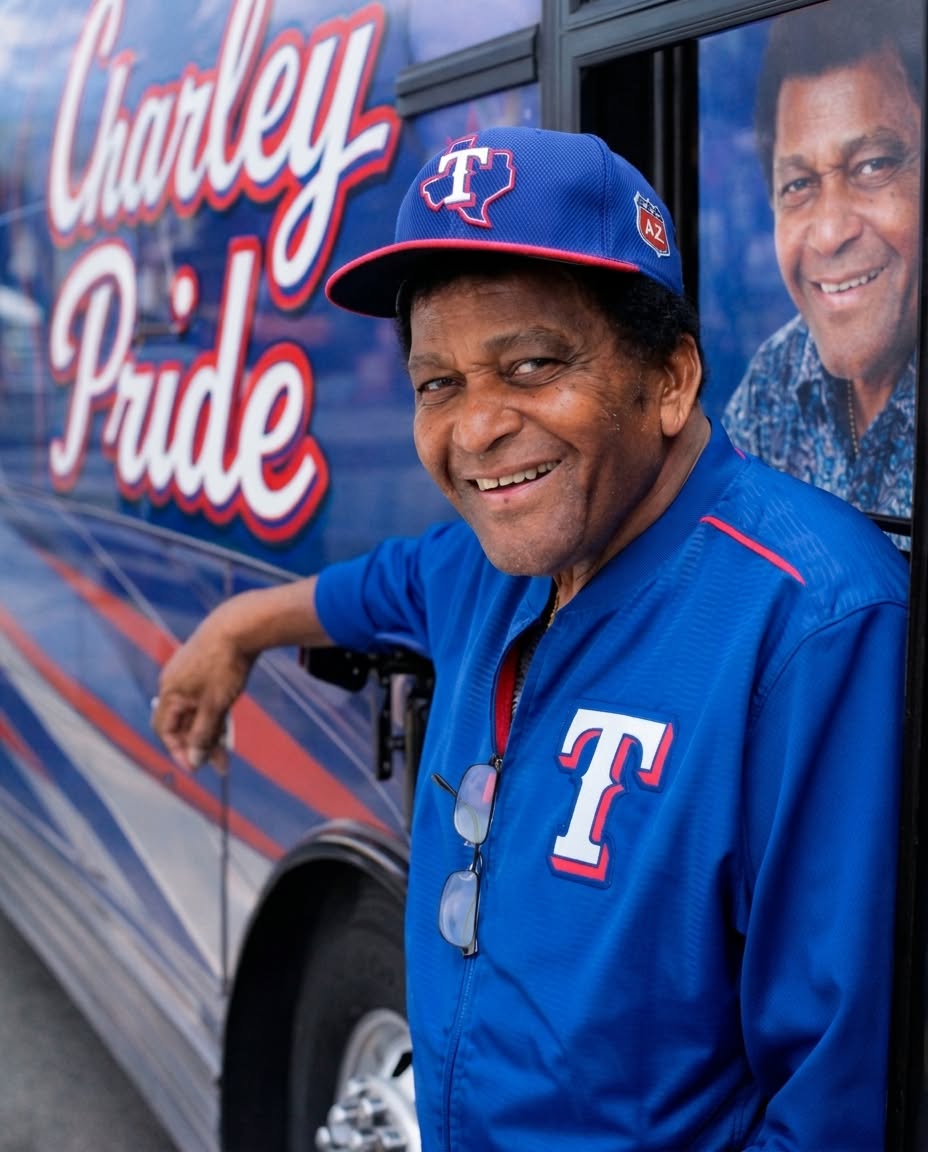
How Charley Pride Turned Rejection Into a Road to Nashville
Charley Pride’s path to country music did not begin with a recording contract. It began on dusty ballfields, long bus rides, and a kind of stubborn hope that never really left him. Before he became one of the most successful artists in RCA Records history, Charley Pride was a pitcher chasing baseball dreams in an era that gave Black athletes very few easy breaks.
A baseball career that kept hitting walls
In the Negro Leagues, Charley Pride and teammate Jesse Mitchell were traded to the Birmingham Black Barons for a used team bus. Pride later joked that he and Jesse Mitchell might have been the only players ever traded for a motor vehicle. It was a funny line, but it also said something hard and true about the times: talent alone did not guarantee dignity, and even good players could be treated like inventory.
Still, Charley Pride kept going. He tried to push his baseball life toward the major leagues, holding onto the belief that one good break could change everything. That break never came in the way he expected, but the chase itself kept him moving forward.
The tryout that never really was
Years later, Charley Pride showed up at the New York Mets’ spring training camp in Florida. He had even sent bats ahead with his name engraved on them, a sign that he was serious and wanted to be noticed. But Mets manager Casey Stengel was not interested in surprise auditions.
“We ain’t running no damn tryout camp down here,”
Stengel’s message was simple: leave.
That might have been the moment some people gave up. Charley Pride did something different. He reached into his wallet and found a business card from country singer Red Sovine, who had told him to come to Nashville if he ever got serious about singing. So instead of forcing another baseball door, Charley Pride asked for a ticket to Tennessee.
The long way to country music
That bus ride changed everything. In Nashville, Charley Pride kept building a music career with the same patience he had once brought to baseball. Chet Atkins later helped bring Charley Pride to RCA, and from there the rise was steady and historic. Charley Pride went on to score 29 No. 1 country hits and became RCA’s best-selling artist not named Elvis Presley.
What makes Charley Pride’s story so moving is not just the success. It is the sequence of small refusals, small openings, and brave decisions. One road ended at a spring training camp. Another began with a business card and a bus ticket. Between those two moments, Charley Pride found the place where his voice could do what his fastball never quite could.
Looking back, the direction was already there
Old Negro League teammate Otha Bailey once remembered Charley Pride sitting in the back of team buses, picking at a guitar with only two strings while the others laughed. But the laughter missed the point. Charley Pride was already listening for a future that other people could not hear yet.
Maybe he did know where he was going. Because sometimes the person turned away from one dream is being guided toward another. In Charley Pride’s case, that turn helped change country music forever.