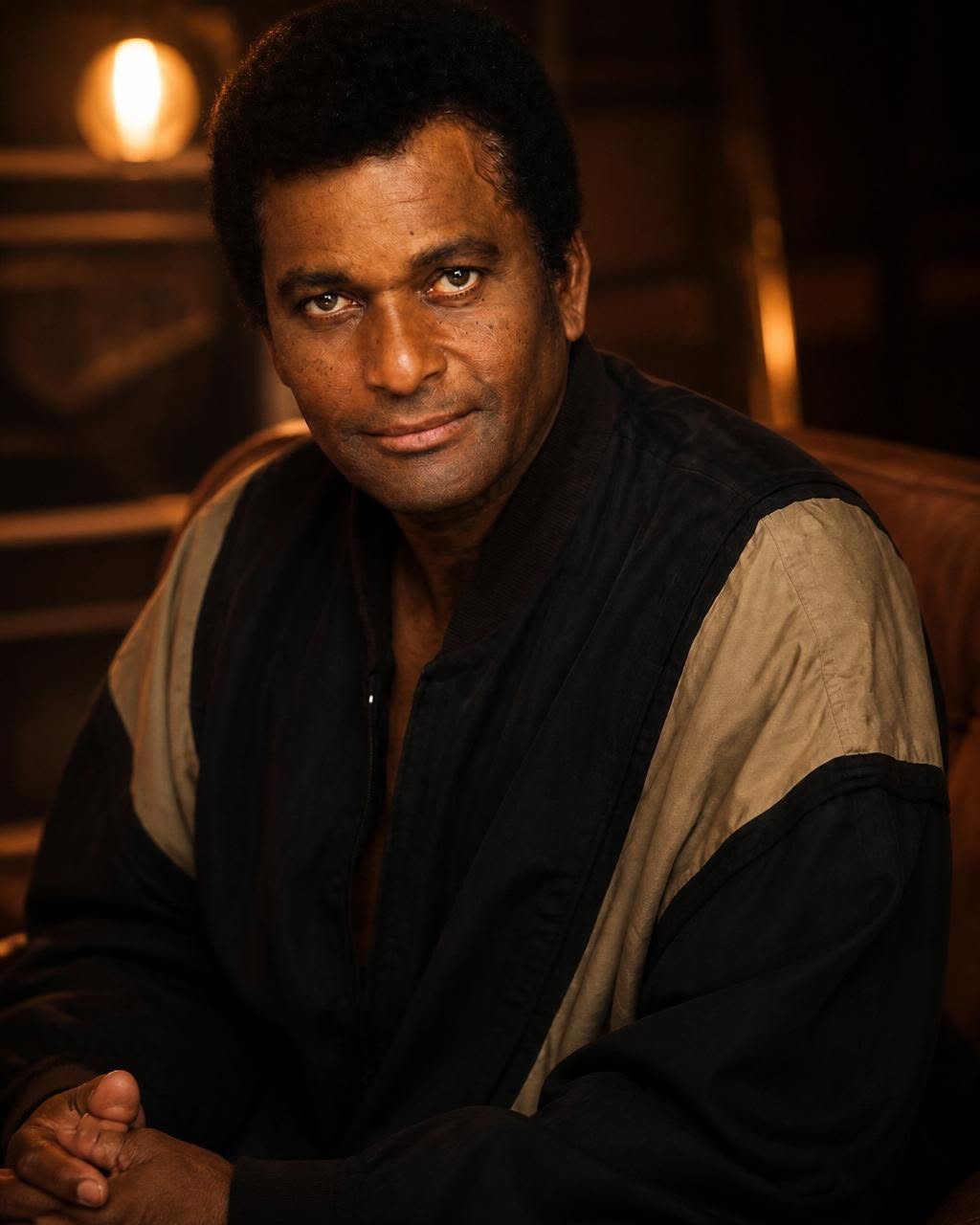
When Charley Pride Sang Through Belfast’s Fear in 1976
In November 1976, Belfast was a city living under strain. The Troubles had made ordinary life feel dangerous, and many performers chose not to come. That is what made Charley Pride’s decision matter so much. While others stepped away, Charley Pride kept his promise and arrived to sing for a city that badly needed a few hours of peace.
A risky invitation
The trip did not happen by accident. Belfast promoter Jim Aiken had traveled to persuade Charley Pride to include Northern Ireland on his tour, and Charley Pride agreed. By the time he reached Belfast, the tension was impossible to ignore. Soldiers were visible in the streets, and the city had already been shaken by years of violence and fear. Even so, the concerts went ahead.
Charley Pride checked into the Europa Hotel, a place that had become famous for surviving repeated bomb attacks and for standing at the center of Belfast’s hard years. From there, he could see just how uneasy the city was. Yet the audiences still came out in force.
Three sold-out nights
Charley Pride played three nights at the Ritz Cinema, and every show sold out. People from across Belfast turned up for more than entertainment. They came for relief, for comfort, and for the rare chance to sit in a room where music mattered more than fear. In a divided city, those audiences represented something quietly powerful: people choosing the same song, the same silence between verses, the same escape.
By the third night, Charley Pride was deeply moved. As he sang “Crystal Chandeliers,” he thought about the people in the crowd who had come out despite the danger and uncertainty around them. He later said he became emotional, and it did not sound like a performance. It sounded like a human reaction to a room full of courage.
“I got to thinking about the people coming to see me when there was all this trouble going on, and I got very emotional.”
A song that stayed behind
The moment became part of Belfast’s cultural memory. “Crystal Chandeliers” had already been a beloved song, but in Belfast it took on a new meaning. It became tied to a feeling that music could cross lines that politics could not. The next day, local praise made clear that the city understood what Charley Pride had given them: not just a concert, but a shared pause from everything outside.
Charley Pride did not end the conflict, and he did not pretend to. But he walked into a place many others avoided, stood in front of a divided audience, and sang with sincerity. That was enough to matter.
Why the night still stands out
Looking back, the Belfast shows remain memorable because they were about more than fame or nostalgia. They were about trust. They were about a Black country star from Mississippi entering a city under pressure and choosing presence over fear. That choice helped open the door for other artists who followed.
In the end, the story is simple and lasting: in November 1976, Charley Pride gave Belfast three sold-out nights, and Belfast gave him a moment he never forgot. For two hours at a time, music held the line.