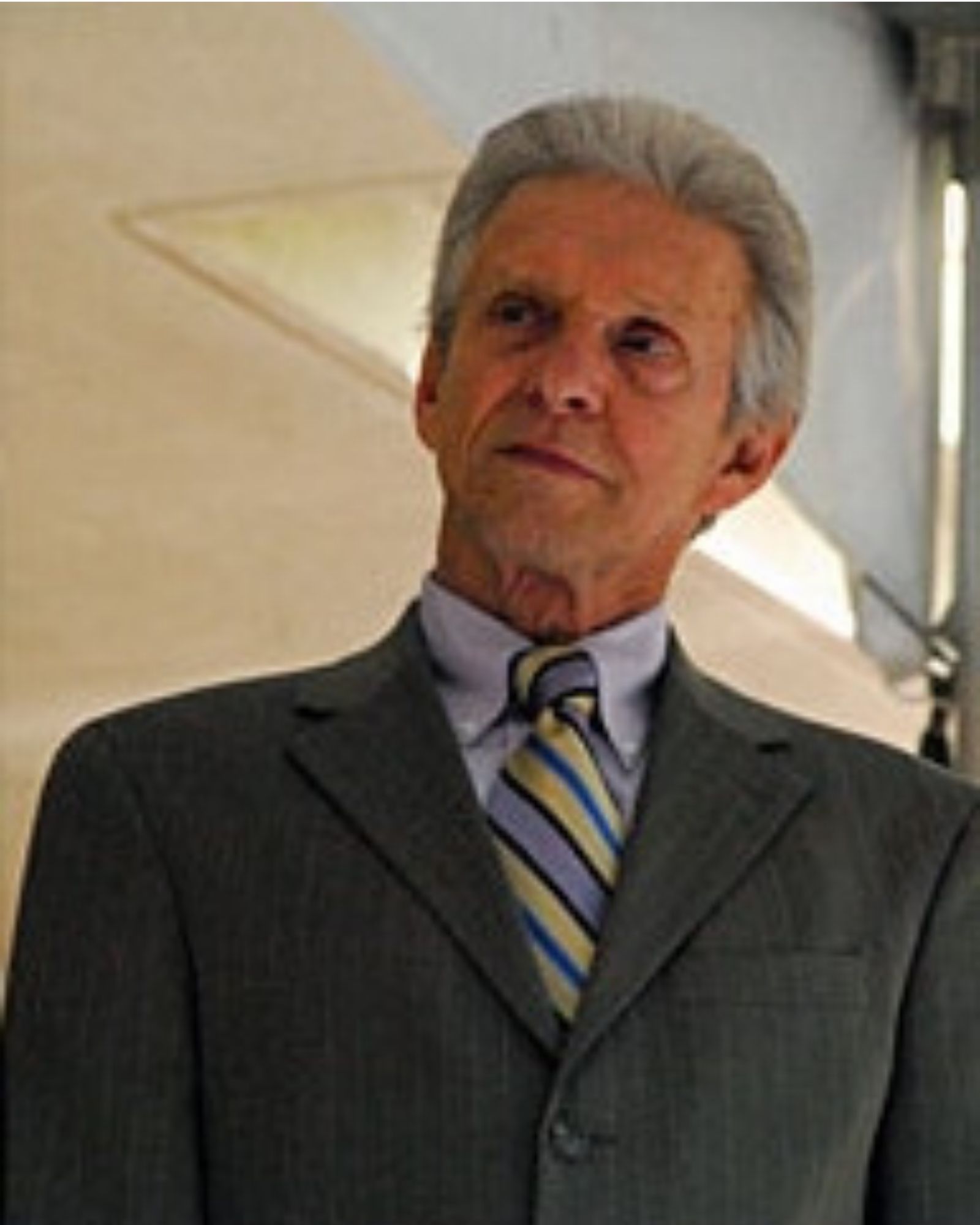
When the Statler Brothers played their final concert on October 26, 2002, four familiar voices said goodbye to nearly four decades of life on the road.
Jimmy Fortune would continue performing. Don Reid would write books. Harold Reid would enjoy retirement on a Virginia farm.
But Phil Balsley, the quiet baritone who had helped shape the group’s unmistakable harmonies, chose a different kind of life.
Phil Balsley returned to the countryside near Staunton, Virginia, where the Statler Brothers’ remarkable story had begun. Yet something surprising happened after the concert tours ended.
Phil Balsley never really stopped singing.
The Voice That Held the Harmony Together
Long before country music audiences knew the Statler Brothers through songs like “Flowers on the Wall,” “The Class of ’57,” and “I’ll Go to My Grave Loving You,” the group began as a gospel quartet in Virginia during the 1950s.
Phil Balsley was part of those early years, singing baritone alongside a changing lineup that eventually became one of country music’s most successful vocal groups.
Harold Reid supplied the deep bass and much of the stage humor. Don Reid became the familiar lead voice. Jimmy Fortune, who replaced original tenor Lew DeWitt in the early 1980s, brought a soaring tenor and songwriting talent.
Phil Balsley rarely competed for attention. The importance of the baritone became apparent whenever those four voices blended into the sound fans recognized instantly.
In March 1964, Johnny Cash heard the group perform in Canton, Ohio, and invited the singers to join a tour. That opportunity helped launch decades of national recognition.
By the time the farewell concert arrived at the Salem Civic Center in Virginia, the Statler Brothers had earned Grammy Awards, country music honors, and generations of devoted listeners.
What Happened After the Final Curtain?
Retirement did not mean that every member wanted the same future.
Jimmy Fortune developed a solo career. Don Reid continued writing, including books about music, memories, and the Statler Brothers’ remarkable journey. Harold Reid settled into farm life and also collaborated with Don Reid on the memoir Random Memories.
Phil Balsley preferred familiar surroundings and a quieter routine.
According to the Statler Brothers’ official website, Phil Balsley continued visiting the group’s office most mornings, helping oversee everyday operations.
There was also an important part of life that never disappeared: church music.
Phil Balsley continued singing in a local church choir and serving as a governing elder. After years of concert stages, television appearances, and constant travel, music remained part of ordinary community life.
The audiences were smaller. The purpose of singing was different. But the voice that helped define the Statler Brothers still had a place.
The Woman Who Shared Life Beyond the Spotlight
Behind Phil Balsley’s long career was a family life centered in Virginia.
Wilma Lee Balsley was deeply involved in Olivet Presbyterian Church. Wilma taught a nursery Sunday school class for many years, served as an active elder, and held leadership responsibilities within the church’s women’s organization.
Wilma also supported community programs, including Meals on Wheels and Weekday Religious Education.
On December 28, 2014, Wilma Balsley died at the age of 73.
For Phil Balsley, the loss ended a long chapter of marriage and family life. Public records describe the funeral arrangements, but they cannot fully convey what such a goodbye meant privately.
Still, one detail in the funeral announcement revealed something meaningful about the relationships formed through decades of music.
Three Familiar Names in the Funeral Notice
Wilma Balsley’s funeral was scheduled for December 31, 2014, at Olivet Presbyterian Church, with burial afterward at Augusta Memorial Park.
Among the arrangements published by Henry Funeral Home was a list of honorary pallbearers.
Three names immediately stood out to anyone familiar with country music:
Harold Reid, Don Reid, and Jimmy Fortune.
The three former bandmates were listed as honorary pallbearers, alongside the women of Olivet Presbyterian Church. This honorary designation did not mean the three singers physically carried the casket.
But the recognition was meaningful.
More than twelve years had passed since the Statler Brothers’ farewell concert. The touring schedule was over, and the individual members had followed separate paths.
Yet the names of Harold Reid, Don Reid, and Jimmy Fortune appeared together again, this time in a family funeral notice rather than on a concert program.
It was a quiet reminder of how closely the lives of the Statler Brothers had been connected beyond the music.
The Harmony That Outlasted the Road
Harold Reid died in April 2020. The Statler Brothers’ recordings, however, continue to preserve the remarkable sound created by Harold Reid, Don Reid, Phil Balsley, and Jimmy Fortune.
Phil Balsley’s story offers a different perspective on what happens after a celebrated musical career ends.
Not every performer needs another stage. Not every important chapter comes with applause.
After the farewell concert, Phil Balsley continued contributing to the community and the church that had long been part of life in Virginia.
And when the Balsley family faced a difficult goodbye in 2014, three familiar names appeared beside the family once again.
The Statler Brothers stopped touring in 2002. But the friendships, family connections, and musical legacy did not end when the final curtain fell.