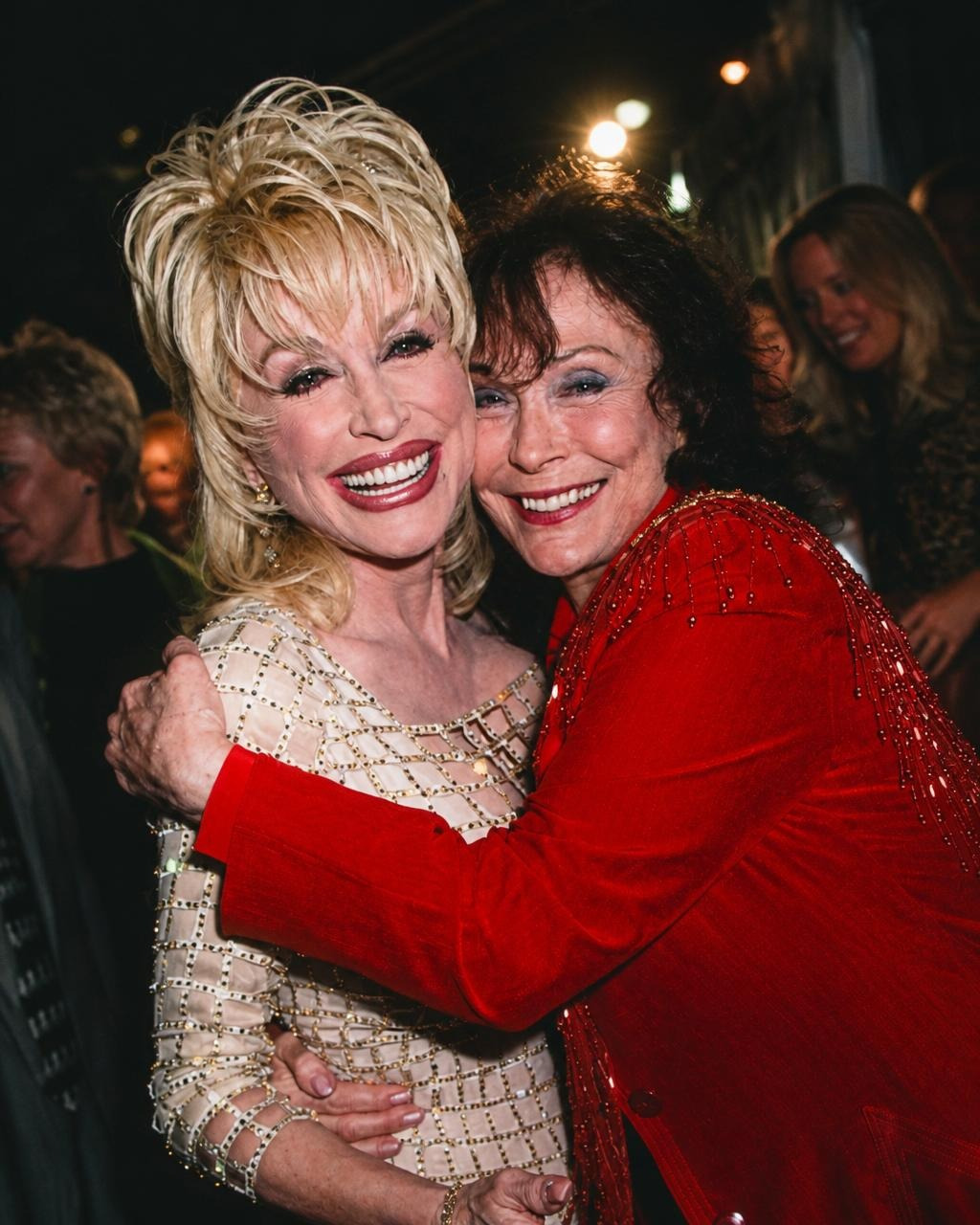
When Floodwaters Destroyed the Home of the Woman Who Once Helped Her, Dolly Parton Remembered
In the Tennessee mountains, where memory travels as far as the ridgelines, kindness has a way of coming back around. That truth was on full display after a devastating flood hit Humphreys County in August 2021, leaving homes ruined, roads damaged, and families facing painful losses. Among the hardest-hit places was the area around Loretta Lynn’s ranch, where longtime foreman Wayne Spears died in the flood. The disaster killed 20 people and changed countless lives in a matter of hours.
For Dolly Parton, the loss felt personal. Years earlier, when wildfires tore through Sevier County in 2016, Loretta Lynn was among the first to reach out and offer help. Dolly Parton never forgot that gesture. So when the water came for Loretta Lynn’s people, Dolly Parton answered in the same spirit.
A Gift That Carried a Memory
Through Dollywood and her Smoky Mountain businesses, Dolly Parton helped raise $700,000 for the United Way of Humphreys County. The charity had been chosen by Loretta Lynn, and the money was meant to support flood recovery in the community Loretta Lynn loved. It was not a flashy headline moment. It was something quieter, and in many ways more meaningful: a response rooted in memory, gratitude, and loyalty.
“After the Sevier County wildfires in 2016, Loretta was one of the first who reached out to offer anything she could,” Dolly Parton said in a statement. “I hope this money can be put to good use to help the people of Middle Tennessee with what they need during their recovery.”
That statement carried more than charity. It carried history. In 2016, Dolly Parton had already been a source of comfort to families in the Smokies after fire destroyed homes and livelihoods. In 2021, she returned that care to the place where Loretta Lynn and her neighbors were hurting.
More Than a Donation
What made the gesture so moving was its timing and its meaning. It was not just a donation to a disaster area. It was Dolly Parton remembering who showed up for her, and choosing to show up in return. That kind of reciprocity is rare, especially at a scale that large. But in country music, where stories often begin in hardship and end in resilience, the gesture felt deeply rooted in the culture that made both women beloved.
For the people of Humphreys County, the support mattered because recovery after a flood is never simple. It takes money, yes, but it also takes patience, trust, and the knowledge that someone sees your pain. Dolly Parton’s gift offered all of that in one act.
The Friendship Behind the Headlines
At its heart, this was a story about friendship that lasted longer than the news cycle. Loretta Lynn once reached out when fire threatened Dolly Parton’s home region. Dolly Parton later reached back when floodwater tore through Loretta Lynn’s. It was not about performance. It was about remembering.
And maybe that is what made the moment resonate so strongly. In a world that often moves on too quickly, Dolly Parton paused long enough to honor a kindness from years before. She did not just help rebuild after a flood. She proved that real friendship does not disappear when the flames go out or when the water rises. It waits, and it returns.