Anne Murray’s Quiet Return to the Spotlight at the Grand Ole Opry
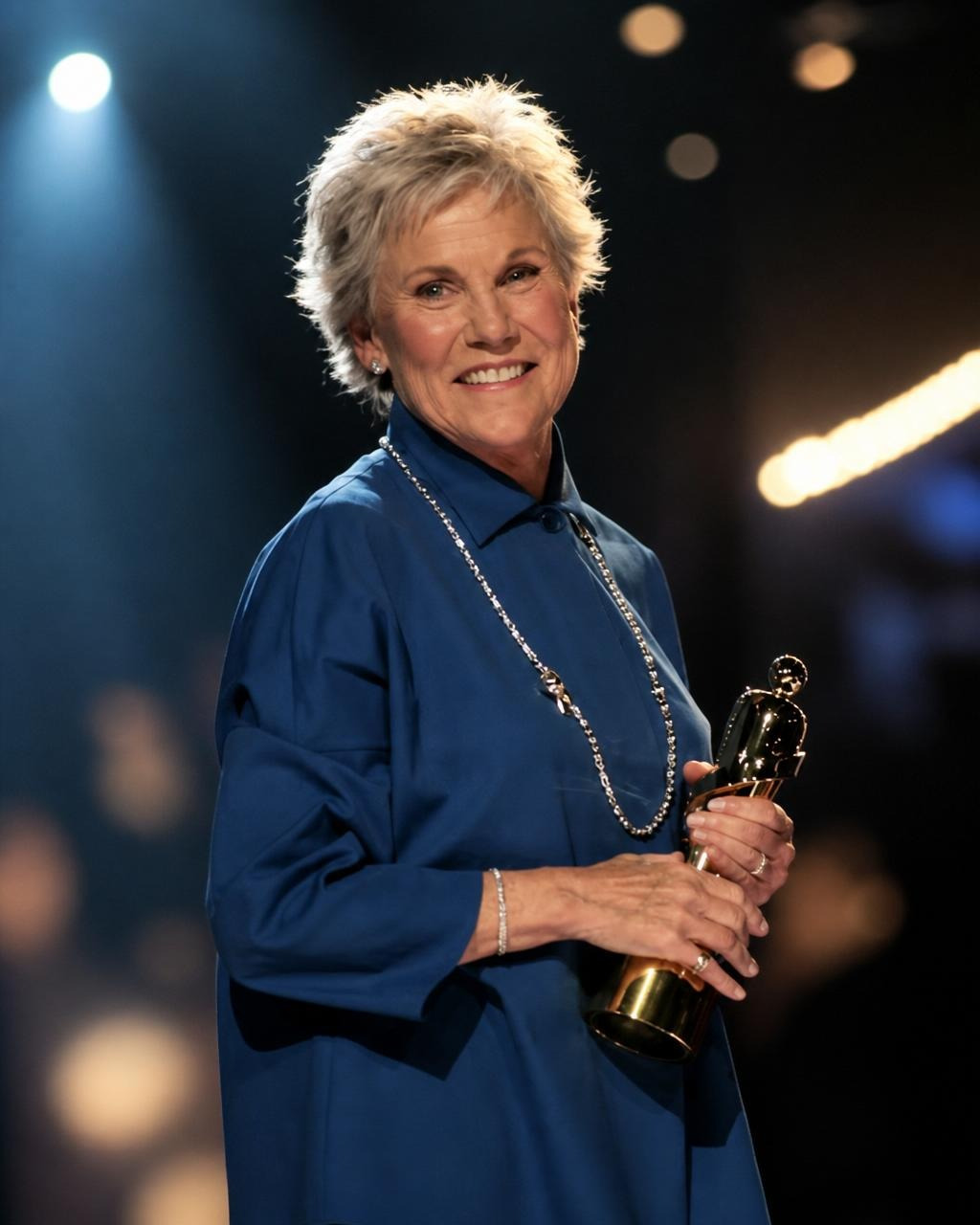
Last October, Anne Murray walked out at the Grand Ole Opry and heard the room erupt before she fully understood the cheers were for her. It was a moment of surprise for a singer who had spent years living a much quieter life, far from the center of the music industry. At 80, and retired from performing since 2008, Anne Murray had been brought back into the spotlight for a special tribute built entirely around her legacy.
The night was titled The Music of My Life, and it gathered a wide circle of artists to honor the woman whose songs had crossed borders, genres, and generations. Anne Murray later said she had been “out of the limelight for so long,” and that simple line fit the moment perfectly. She did not arrive like a legend expecting applause. She arrived like someone still a little stunned that the applause could belong to her.
A Career That Changed the Shape of the Room
Anne Murray’s place in music history is difficult to overstate. She sold more than 55 million albums worldwide, became the first Canadian woman to reach the top of the American charts, and was the first woman to win Album of the Year at the Country Music Association Awards. Those are the kinds of facts that sound large on paper, but the more interesting part is how little Anne Murray seemed interested in making them the center of her story.
That humility has always been part of her appeal. In interviews, Anne Murray has often spoken with the ease of someone looking back instead of looking for credit. She once described her career with a kind of understatement, saying she had “a hit record every now and then, and just quietly went home to Canada.” For a performer with such an enormous reach, the sentence feels almost disarming.
Why the Tribute Felt Personal
The Grand Ole Opry tribute worked because Anne Murray’s influence is not only measured in numbers. It lives in the voices of artists who followed her. Céline Dion performed “When I Fall in Love” beside Anne Murray on a 1996 television special. Later, Shania Twain took on “You Needed Me” and k.d. lang performed “A Love Song” for Anne Murray’s 2007 Duets record. Both artists also appeared in the 2021 documentary Full Circle, reflecting on what Anne Murray had meant to them as listeners and fellow musicians.
That sense of connection gave the Opry evening its emotional weight. A room full of admirers spent the night doing what Anne Murray herself rarely did: naming her as a pioneer. She never needed the title for herself. The music already said it.
She never called herself a pioneer. A room full of people spent a whole night in Nashville doing it for her.
The Quiet Power of Being Understated
What makes Anne Murray’s story feel so human is not only the success, but the restraint. She built a career that reached across the United States and Canada, then stepped away without turning retirement into a spectacle. When she returned to the Grand Ole Opry for the tribute, the surprise on her face seemed genuine. The ovation was loud, but the meaning behind it was even louder.
In the end, the night was not just about remembering old hits. It was about recognizing the rare kind of artist who changes music without constantly announcing the fact. Anne Murray spent decades making that look effortless. On that October night in Nashville, the audience finally made the announcement for her.