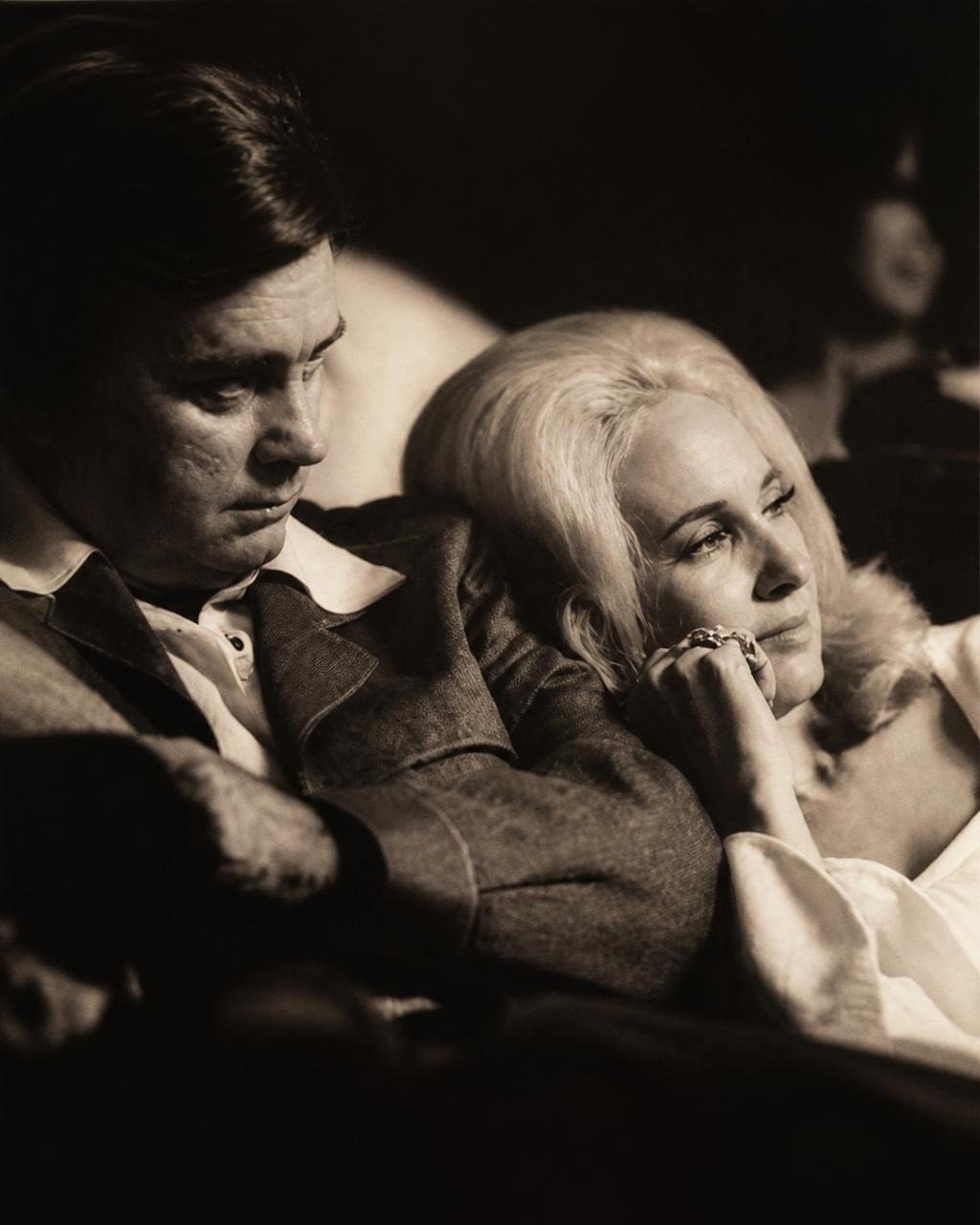
The Truth Tammy Wynette Told Georgette Jones About George Jones Before She Died
Two weeks before Tammy Wynette died in 1998, she sat down with her daughter, Georgette Jones, and said something that stayed with Georgette forever. It was not a dramatic confession, and it was not a grand public statement. It was simpler than that, and somehow more powerful. Tammy spoke honestly about George Jones, the man she had once married, loved, lost, and still carried with her in some quiet corner of her heart.
“Of course, he would always be the love of her life.” Georgette later remembered those words as part of a long, deeply personal conversation with her mother. By then, Tammy and George had been divorced for twenty-three years. They had lived separate lives, remarried, and built new chapters. But the story between them never fully disappeared.
A Marriage That Became Country Music History
Tammy Wynette and George Jones were more than a famous couple. Together, they became a symbol of country music itself: raw, emotional, complicated, and unforgettable. Their marriage was full of passion and pain, the kind of relationship that inspired songs because it already felt like one.
They married in 1969, and for a while, it seemed as though music and love were carrying them in the same direction. Fans saw the magic immediately. Their voices blended with a natural force, and their duets sounded like two people telling the truth in real time. But behind the fame, the private pressures were heavy. George Jones was battling his own problems, and the strain on the marriage kept growing.
By 1975, the relationship had reached its end. The divorce was painful, but it was also necessary. Both Tammy Wynette and George Jones moved on with their lives. Both remarried. Both tried to build stability after years of emotional storms. Still, their connection never felt completely finished.
Why the Feelings Never Really Left
Even after the divorce, Tammy Wynette and George Jones continued to cross paths through music. They reunited in the studio, returned to the stage, and gave fans the duets they had hoped for. Their chemistry remained undeniable, not because the marriage had survived, but because the bond underneath it had never fully disappeared.
In 1995, they released One, their final album together. For listeners, it felt like a full-circle moment. For Tammy and George, it was something deeper: a reminder that two people can move apart and still know each other in a way nobody else can.
The songs carried history. So did their silence. Every shared performance seemed to hold a little of what had once been lost, and maybe a little of what had never been completely gone.
The Conversation That Changed How Georgette Saw It
Then came the private conversation between Tammy Wynette and Georgette Jones, only two weeks before Tammy’s death on April 6, 1998. Tammy was fifty-five. Her health was failing, and time had become precious. In that quiet moment, she told her daughter the truth she had carried for years.
“The timing was wrong,” Tammy Wynette explained in spirit through the memory Georgette later shared. She wished things could have been different. The marriage had failed, but the feeling had never completely disappeared.
That kind of honesty can change everything. It does not erase the divorce. It does not rewrite the difficult years. But it reveals what endured after the headlines faded. Tammy Wynette was not pretending the relationship had been easy. She was saying it had mattered enough to live inside her for the rest of her life.
For Georgette Jones, that truth carried both tenderness and weight. It confirmed what so many fans had suspected, but it came from a place more meaningful than rumor or nostalgia. It came from a mother speaking to her daughter at the edge of goodbye.
A Legacy Built on Love, Loss, and Music
After Tammy Wynette died, the country music world remembered her and George Jones as “Mr. and Mrs. Country Music.” The title fit because their relationship had become part of the genre’s identity. They were not a perfect story. They were a real one.
George Jones lived another fifteen years after Tammy’s death. Through all of it, the memory of Tammy remained close to the public imagination, and likely close to his own as well. Their story had never been only about marriage. It was about what happens when two powerful voices meet, separate, and keep echoing through time.
Georgette Jones inherited more than fame from her parents. She inherited the emotional history behind the songs. She knew that the public saw the glamour, the heartbreak, and the legend. But she also knew the quieter truth: Tammy Wynette and George Jones were two people who could leave a marriage, but never fully leave the music they had placed inside each other.
And maybe that is why the story still matters. Not because it was neat, but because it was human. Tammy Wynette’s final words to Georgette Jones did not change the past. They simply gave it a softer, more honest shape. In the end, that honesty may be the most lasting duet of all.