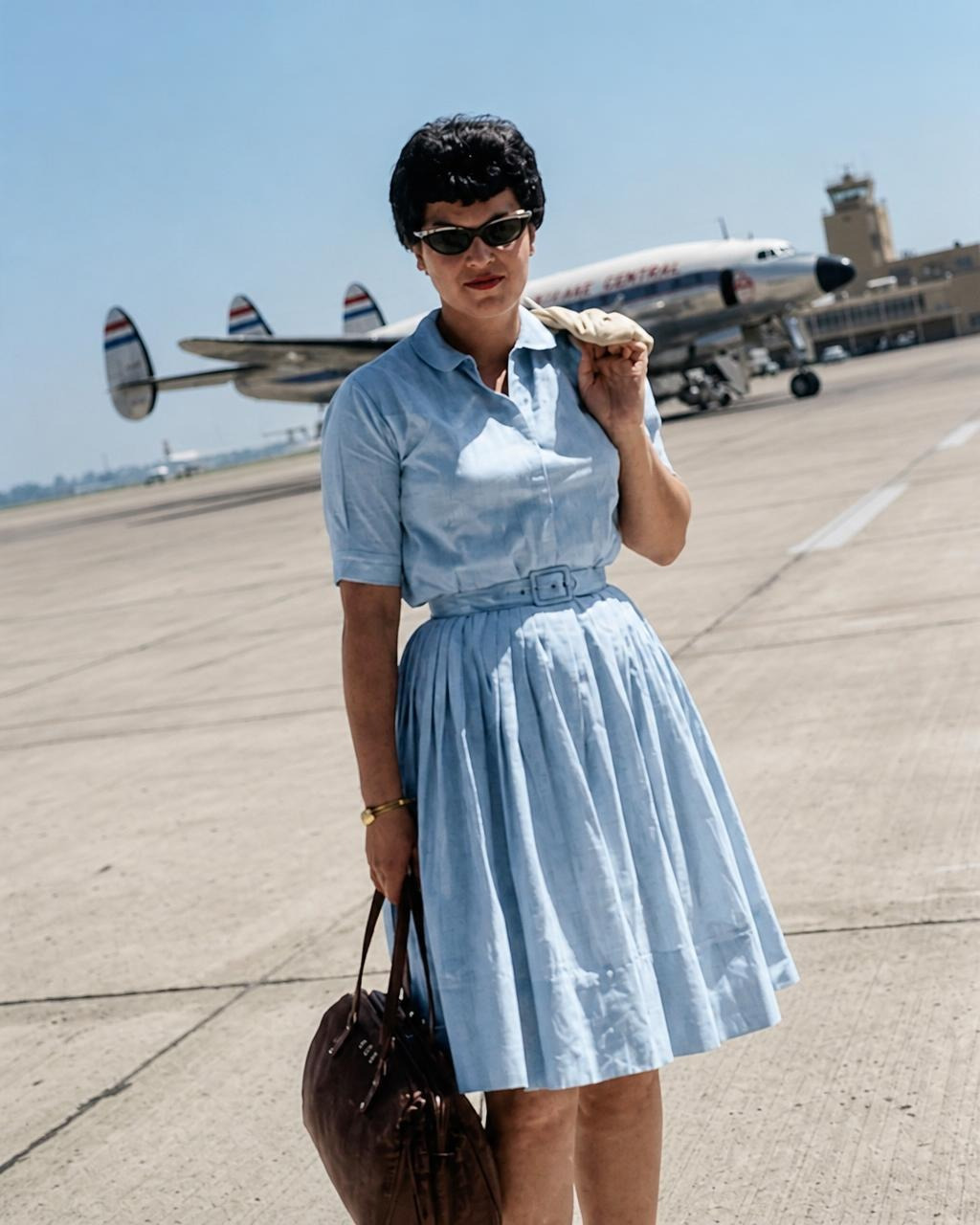
“When It’s My Time to Go, It’s My Time.” The Final Days of Patsy Cline
Patsy Cline was not supposed to become part of a tragedy on March 5, 1963. She was supposed to keep singing, keep traveling, and keep turning pain into music. But in the days before her death, the story of Patsy Cline was already moving toward its final chapter in a way that felt both ordinary and heartbreaking.
A Call She Didn’t Refuse
Earlier that year, a benefit concert in Kansas City was having trouble selling tickets. Organizers needed a name strong enough to fill the room, and they asked Patsy Cline to step in. She agreed without hesitation. That was part of what people loved about Patsy Cline: she showed up.
On March 3, 1963, she was sick with the flu, but she still performed three full shows in one day. Each show was in a different dress, and each one drew a standing-room-only crowd. The concerts were held to raise money for the family of DJ Cactus Jack Call, who had died in a car wreck that January. Even while feeling unwell, Patsy Cline gave the audience everything she had.
“She had this way of making a room feel personal, even when it was packed.”
The Last Advice
Two days later, the weather turned rough. Fog made travel uncertain, and Dottie West, worried about the flight, begged Patsy Cline to come home by car instead. Patsy Cline brushed off the concern with the kind of calm confidence she was known for. “Don’t worry about me, Hoss. When it’s my time to go, it’s my time,” she said.
It was a simple sentence, spoken in passing, but it would echo for generations. At the time, no one could know how close those words were to becoming part of country music history.
The Flight That Never Made It Home
That evening, a small plane carrying Patsy Cline, Cowboy Copas, Hawkshaw Hawkins, and pilot Randy Hughes went down near Camden, Tennessee, about 90 miles from Nashville. The plane never reached its destination. Her wristwatch stopped at 6:20 PM.
Patsy Cline was only 30 years old.
Her death stunned fans, friends, and the entire country music world. The loss was not just of a famous singer, but of a voice that seemed to carry more feeling than should have been possible. Songs like “Crazy,” “I Fall to Pieces,” and “Walkin’ After Midnight” had already made her one of the most recognizable artists of her time.
Why Her Story Still Matters
March 5, 1963, is still remembered as one of the darkest days in country music. Yet Patsy Cline’s legacy did not end with that flight. It grew. Her recordings continued to reach new listeners, and her influence shaped generations of singers who followed her lead.
What makes her final days so unforgettable is not only the tragedy, but the determination she showed right up to the end. Sick or not, she performed. Tired or not, she gave her time. Worried or not, she kept going.
Patsy Cline’s story reminds us how quickly life can change, and how some voices never really fade. They keep echoing, long after the stage lights go down.