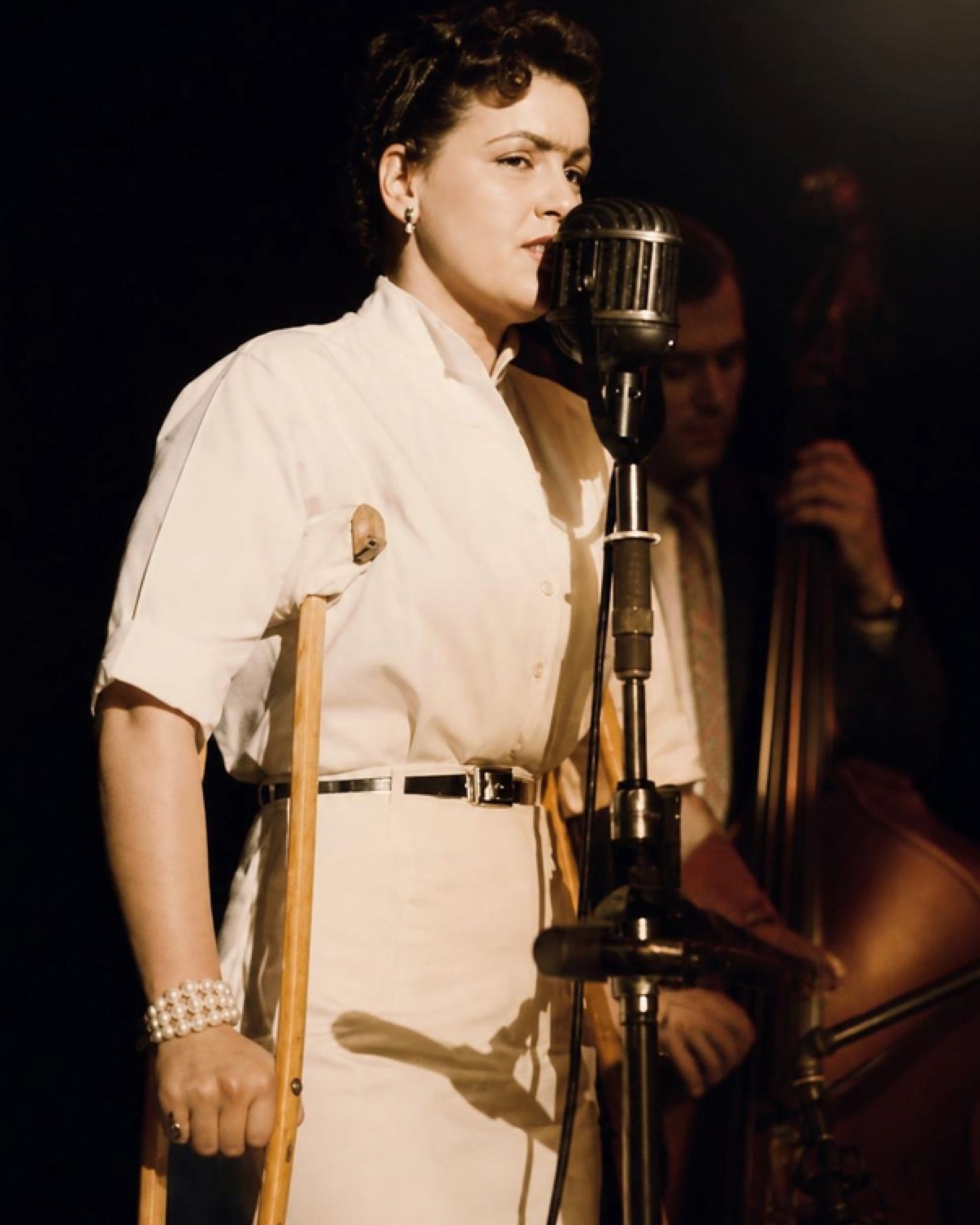
Patsy Cline Was Lying Broken in a Hospital Bed When Country Radio Gave Her the First No. 1 of Her Life
In June 1961, Patsy Cline was not living the victory lap that so many singers dream about. She was not standing under bright stage lights, not smiling for photographers, and not hearing applause from a packed theater.
She was in a hospital bed in Nashville, recovering from a violent car crash that left her badly injured. The impact had thrown her into the windshield. Her face was cut deeply, her wrist was broken, and her body was bruised and stitched. The kind of accident that can change everything arrived without warning, and for a while, it seemed as if country music might lose one of its most powerful voices before the world fully understood her value.
A Voice Already Carrying More Than Most
By then, Patsy Cline had already done something rare. She had taken country music and made it feel larger, richer, and more emotionally direct. She could sing a song as if she had lived every line, even when the words belonged to someone else. People did not just hear her voice. They felt it.
But fame was still uneven, and success had not come easily. Patsy Cline had worked through setbacks, doubts, and the hard realities of a music career that often asked for patience before reward. So when the crash happened, it was more than a painful injury. It was a frightening interruption at a moment when her future still felt fragile.
While Patsy Cline Healed, a Song Kept Rising
During her recovery, one of the most wounded and unforgettable songs she had recorded began climbing country radio charts. That song was “I Fall to Pieces”, a recording filled with ache, restraint, and quiet heartbreak. It sounded like a woman trying to stay composed while the ground gave way underneath her.
And then, while Patsy Cline was lying in that hospital bed, the song reached No. 1.
America was falling in love with Patsy Cline’s voice at the exact moment she was learning how to stand again.
There was something almost cruel in the timing, and something deeply beautiful too. The song she sang about emotional ruin became the breakthrough that carried her to the top. It was a reminder that art can move forward even when the artist is forced to stop.
The Scars Stayed, But the Voice Returned
The crash left scars, and the recovery was not simple. But Patsy Cline came back. Not as a fragile singer hoping to be heard, but as a fully realized artist whose sound would help define country music for generations.
She sang with a kind of honesty that made heartbreak feel universal. Her records did not sound polished in a cold way. They sounded lived-in. They sounded human. That may be why listeners kept returning to her music long after that first No. 1 hit.
Patsy Cline’s story is not only one of pain or survival. It is also a story of timing, talent, and the strange way life can deliver triumph while a person is still struggling to heal. In June 1961, she was broken in a hospital bed. At the same time, country radio was giving her the first No. 1 of her life.
From that moment on, country music never heard heartbreak the same way again.