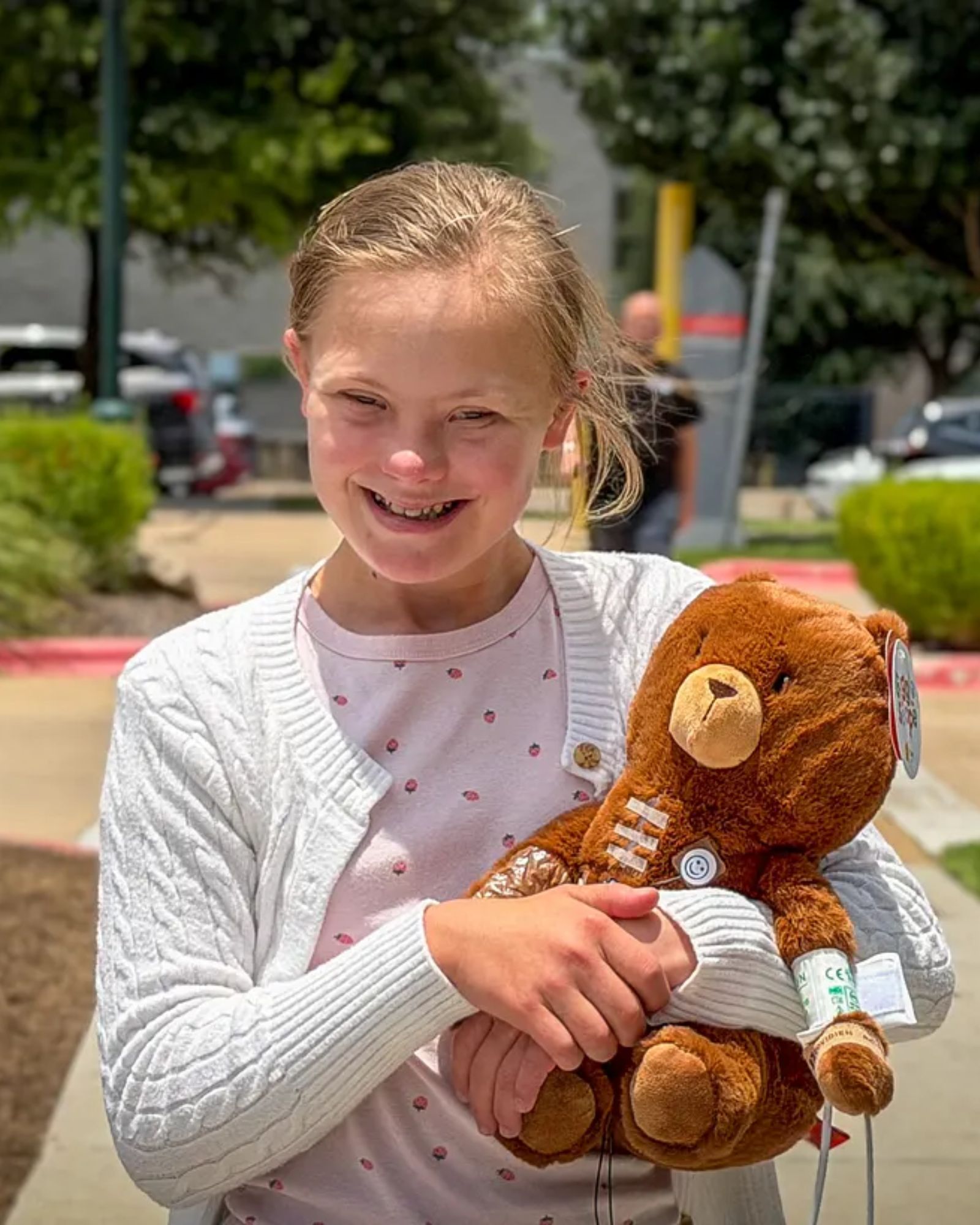
Indiana Feek Didn’t Get the Miracle She Asked For — She Got the One That Carried Her Through
Three days after open-heart surgery, Rory Feek shared the kind of update every parent hopes they will never need, and every parent would still pray for if they did. It was not a polished celebrity post or a distant report. It was a father telling the world how his little girl was doing, one hour at a time, as they moved through fear and relief together.
At first, Indiana did not want the surgery. She wanted the miracle. That is the part that makes the story feel so human. Children do not think in medical terms or long recovery plans. They think in simple hopes: let this go away, let me be fine, let me go home. For Indiana Feek, the surgery was not just a procedure. It was the hard thing standing between her and the life she wanted back.
The hospital room changed everything. There were tubes, alarms, and the strange quiet that follows a major operation. There was fear in the air, the kind that sits in your chest and does not leave easily. There was waiting, which can sometimes feel harder than anything else. Rory Feek and everyone around Indiana had to do what so many families do in hospitals across the world: trust the doctors, trust the process, and hold on to hope when hope feels thin.
Then, by the next morning, something began to shift. Rory said Indiana’s color was coming back. That small detail can mean so much. Color means strength returning. It means the body is waking up from trauma and beginning the work of healing. Soon after that, Rory noticed her smile again. It was the kind of moment that can feel bigger than any chart or monitor. A child smiling after surgery is not just a sweet image; it is a sign that the child is finding her way through the fear.
Not long after, Indiana was out of ICU. She was in pajamas, eating a ham and cheese omelette, doing something wonderfully ordinary after something so extraordinary. That contrast is what makes recovery feel like a miracle all its own. One day, a child is under the most serious care possible. The next, she is asking for breakfast and settling into the day like a kid who is simply ready to be a kid again.
By evening, Indiana was playing cards. It sounds so simple, and that is exactly why it matters. Surgery can take so much from a child in a single moment: comfort, routine, energy, confidence. But there she was, reaching for normal again, one card at a time. One day at a time. One smile at a time.
By the third day, Indiana was walking through the hospital gardens in new tennis shoes. That detail says everything. New shoes after surgery feel like a small celebration of movement, of getting back on your feet, of choosing forward. Then came dinner from In-N-Out burgers, another small but meaningful sign that life was beginning to feel familiar again. A hospital stay can strip life down to the essentials, but a shared meal can bring back a sense of home.
Maybe the miracle was not skipping the hard road.
Maybe it was watching a little girl walk through it with joy still in her heart.
Even the doctors and nurses were surprised by how quickly Indiana was recovering. And while that kind of progress is certainly something to celebrate, the deeper story is not just about speed. It is about spirit. Indiana Feek did not get the instant answer she wanted. She did not get a painless path. But she got something powerful: the strength to keep going, the care she needed, and the people who would carry her when she could not carry herself.
In the end, that may be what so many families learn in moments like this. Sometimes the miracle is not the one we imagined. Sometimes it looks like a hospital room slowly turning into a place of healing. Sometimes it looks like a child who was afraid becoming a child who is laughing again. Sometimes it looks like prayers answered not by avoiding the storm, but by making it through with love, courage, and grace.
And maybe that is what happened with Indiana Feek. Maybe every prayer was walking right beside her.