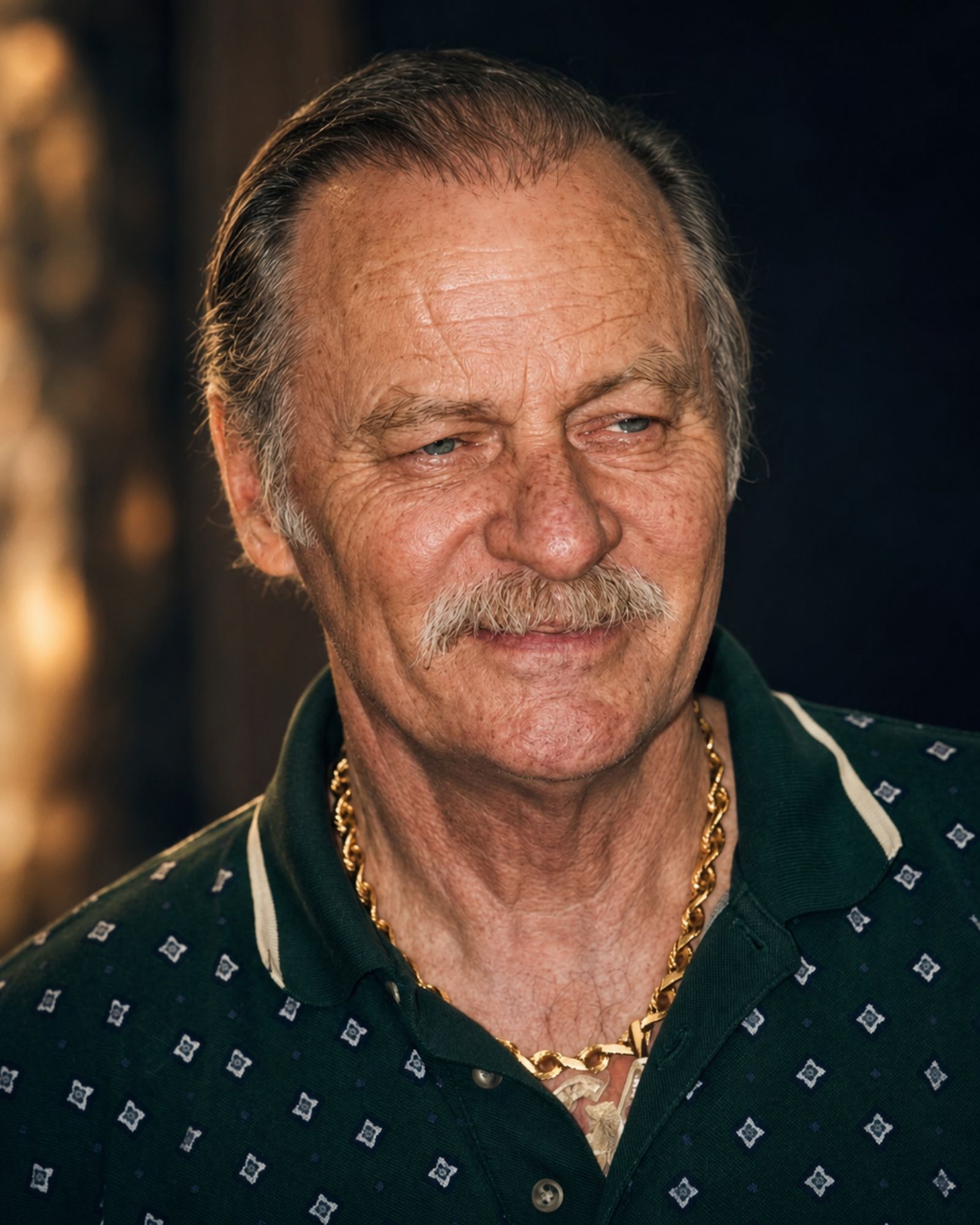
Vern Gosdin, Heartbreak, and the Songs Nashville Couldn’t Ignore
When Vern Gosdin’s third marriage ended in 1989, he did not retreat into silence. He did something far more powerful. He walked into the studio and turned the wreckage into music. In a career built on plainspoken truth, that painful chapter became one of the most productive and emotionally honest stretches of his life. As Vern Gosdin once said, “Out of everything bad, something good will come if you look hard enough,” and in his case, that something was a string of songs that country fans still feel deep in their bones.
A Voice That Made People Stop and Listen
Vern Gosdin was never just another country singer. His voice carried the kind of ache that could make a room go quiet. Tammy Wynette once said he was “the only other singer who can hold a candle to George Jones.” That kind of praise was not handed out lightly. It meant Vern Gosdin belonged in the highest circle of classic country vocalists, where emotion mattered more than polish and honesty mattered more than trends.
He sang like a man who had lived every word. That was why songs like “Set ‘Em Up Joe” and “I’m Still Crazy” connected so strongly with listeners. Both songs reached No. 1, and each one carried the kind of emotional directness that made Vern Gosdin unforgettable. Then there was “Chiseled in Stone”, a song so devastating and beautifully written that it won CMA Song of the Year and earned its place among the greatest heartbreak records ever made.
“And I got 10 hits out of my last divorce.”
Vern Gosdin was not trying to be clever when he said it. He was describing the strange way pain can become art when a singer is brave enough to tell the truth.
Before the Comeback, There Was a Detour
What makes Vern Gosdin’s story even more compelling is that he had already stepped away from music once before. In the 1970s, he quit, moved to Georgia, and opened a glass company. For a while, it looked like the road back to Nashville might be closed for good. But Vern Gosdin never stopped being a singer. He kept a guitar in his truck, and Nashville was never as far away as it seemed.
That detail says everything about him. Even when he was trying to live a different life, the music stayed close. He may have left the industry, but the voice never left him. When he returned, he was not chasing a trend or trying to reinvent himself for the moment. He came back with a deeper understanding of loss, regret, and survival. That maturity gave his later recordings their edge.
Turning Pain Into Country Music History
By the late 1980s and early 1990s, Vern Gosdin had become a master at turning heartbreak into songs that felt personal to millions of listeners. His records did not sound manufactured. They sounded lived in. That is why his work stands apart from so much polished country music. It was rough around the edges in the best possible way, full of feeling and guided by a voice that never lied.
Country singer Jack Ingram once called “Chiseled in Stone” “as sad a country song as ‘He Stopped Loving Her Today'”, and that comparison says a great deal. Vern Gosdin was operating in the same emotional territory as the genre’s most legendary storytellers. He understood that sorrow, when sung honestly, can become something beautiful.
Fans heard the pain in his records, but they also heard strength. He was not asking for sympathy. He was offering clarity. His songs made heartbreak feel less lonely because they admitted how devastating it can be and still found a way to keep going.
The Recognition That Never Fully Came
And yet, for all the praise and all the impact, Nashville never fully gave Vern Gosdin the place he deserved. He died in 2009 at the age of 74, still respected by musicians and fans, but never inducted into the Country Music Hall of Fame. For a singer with that kind of voice, that kind of catalog, and that kind of influence, the omission still feels strange.
Maybe Vern Gosdin was too honest for the industry at times. Maybe his music was too sorrowful, too direct, too tied to real life. But that was exactly what made him important. He sang for people who had lost love, lost time, or lost faith in easy endings.
In the end, Vern Gosdin did what the best country artists do: he took the worst thing that happened to him and turned it into something that helped other people get through their own hard days. Nashville may have forgotten to honor him properly, but the songs did not disappear. They are still there, waiting on late-night radios, old records, and streaming playlists, carrying the same ache they always did.
So the question remains, and it is a fair one: what happens when a man turns his deepest heartbreak into his greatest music? In Vern Gosdin’s case, the answer is simple. He makes a career that outlives the applause, and a voice that country music never should have let slip away.