Hondo Rodeo Fest Returns to Phoenix With a Big-Stage Weekend and a Million-Dollar Rodeo
In November, Phoenix is getting ready for something that feels bigger than a concert and more electric than a typical sports weekend. Hondo Rodeo Fest is returning to Chase Field from November 13 through 15, and for its third year, the event is arriving with a lineup that makes one thing clear: this festival is not playing it safe.
Chase Field, a 48,000-seat stadium in the middle of the desert, will host three nights of country and Southern rock energy under one roof. The moment the lineup was announced, it felt less like a schedule and more like a challenge to every other fall event in the region.
A Friday That Sets the Tone
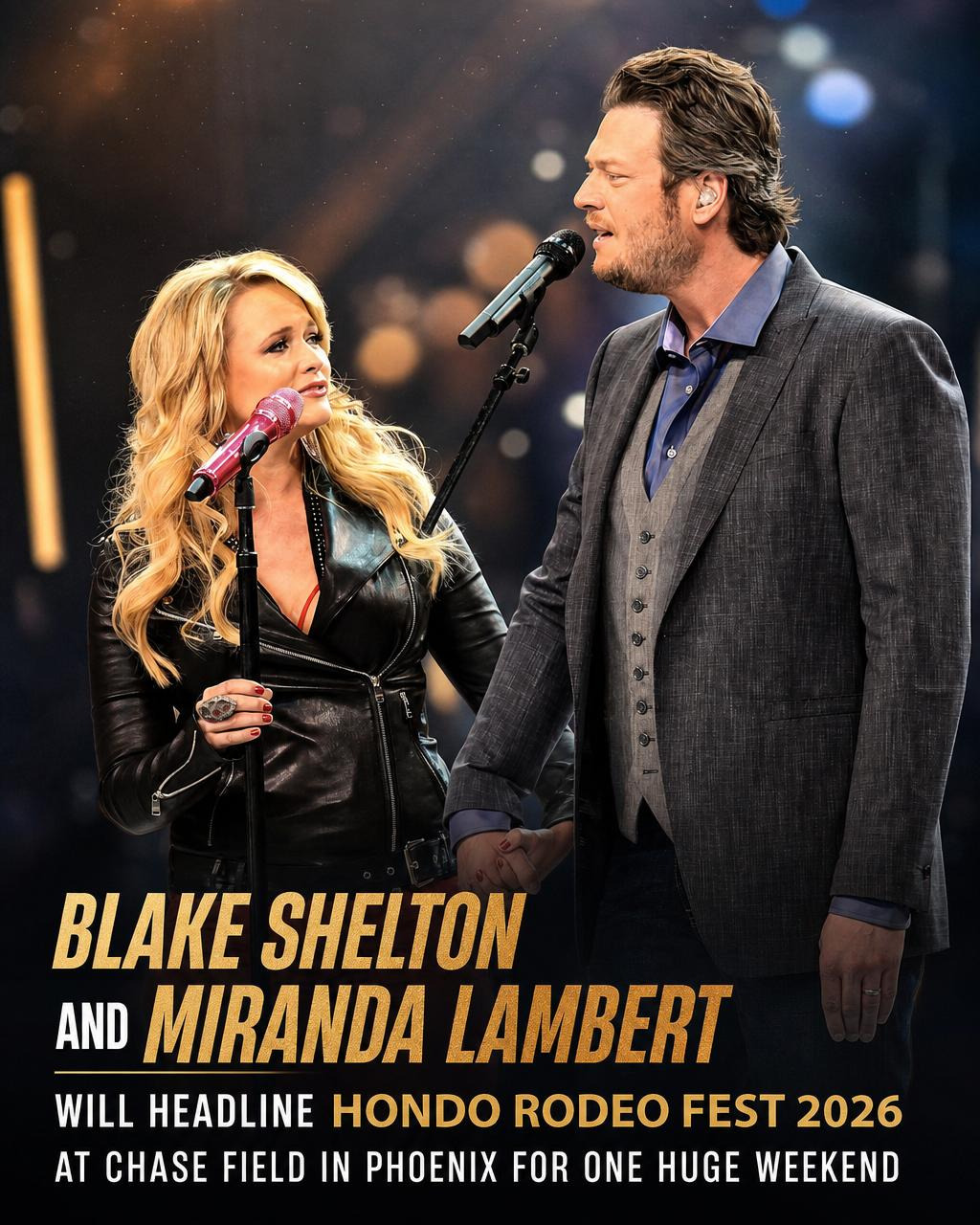
Friday night opens with Tim McGraw and Miranda Lambert, a pairing that could easily carry a festival on its own. Both artists bring their own kind of force: Tim McGraw with his long list of crowd favorites and Miranda Lambert with the kind of stage presence that keeps an audience locked in from the first song to the last.
For many fans, that would already be enough to justify the trip. But Hondo Rodeo Fest keeps going.
Saturday Raises the Stakes
Saturday brings Blake Shelton and Turnpike Troubadours, adding another layer to a weekend already packed with momentum. Blake Shelton is a familiar name to anyone who follows modern country music, while Turnpike Troubadours bring a more rugged, roots-driven sound that gives the night a different edge.
The mix matters. This is not a copy-and-paste festival bill. It feels curated for people who want a real weekend experience, one that moves between big singalongs, storytelling, and the kind of performances that make a stadium feel smaller than it is.
Sunday Ends With a Statement
By Sunday, some festivals start to fade. Hondo Rodeo Fest does the opposite. Parker McCollum and Lynyrd Skynyrd close out the weekend with a finale that brings newer country energy together with a legendary rock name that still carries weight.
Three nights. Six artists. One stadium. The result feels less like a standard festival and more like a moment built for Phoenix.
More Than Music: A Rodeo With a Million-Dollar Purse
What makes Hondo Rodeo Fest stand out even more is that the rodeo itself is invite-only, with athletes competing for a $1 million purse. That raises the stakes in a way fans can feel, even if they’re there primarily for the music. It adds real competition to the weekend and gives the event a sharp identity beyond the stage lights.
Outside the stadium, the atmosphere continues with a free Western street fest running every afternoon. Food, live music, and fan experiences turn the area around Chase Field into a gathering place that feels open, lively, and easy to step into.
Phoenix in November Feels Different
Hondo Rodeo Fest has grown into something that blends entertainment, tradition, and scale without losing its personality. It gives fans a reason to stay all day, not just for the headline sets, but for the full experience around them.
Three days in Phoenix, six major acts, a million-dollar rodeo, and a stadium packed with energy. Hondo Rodeo Fest is not just returning. It is arriving with confidence.