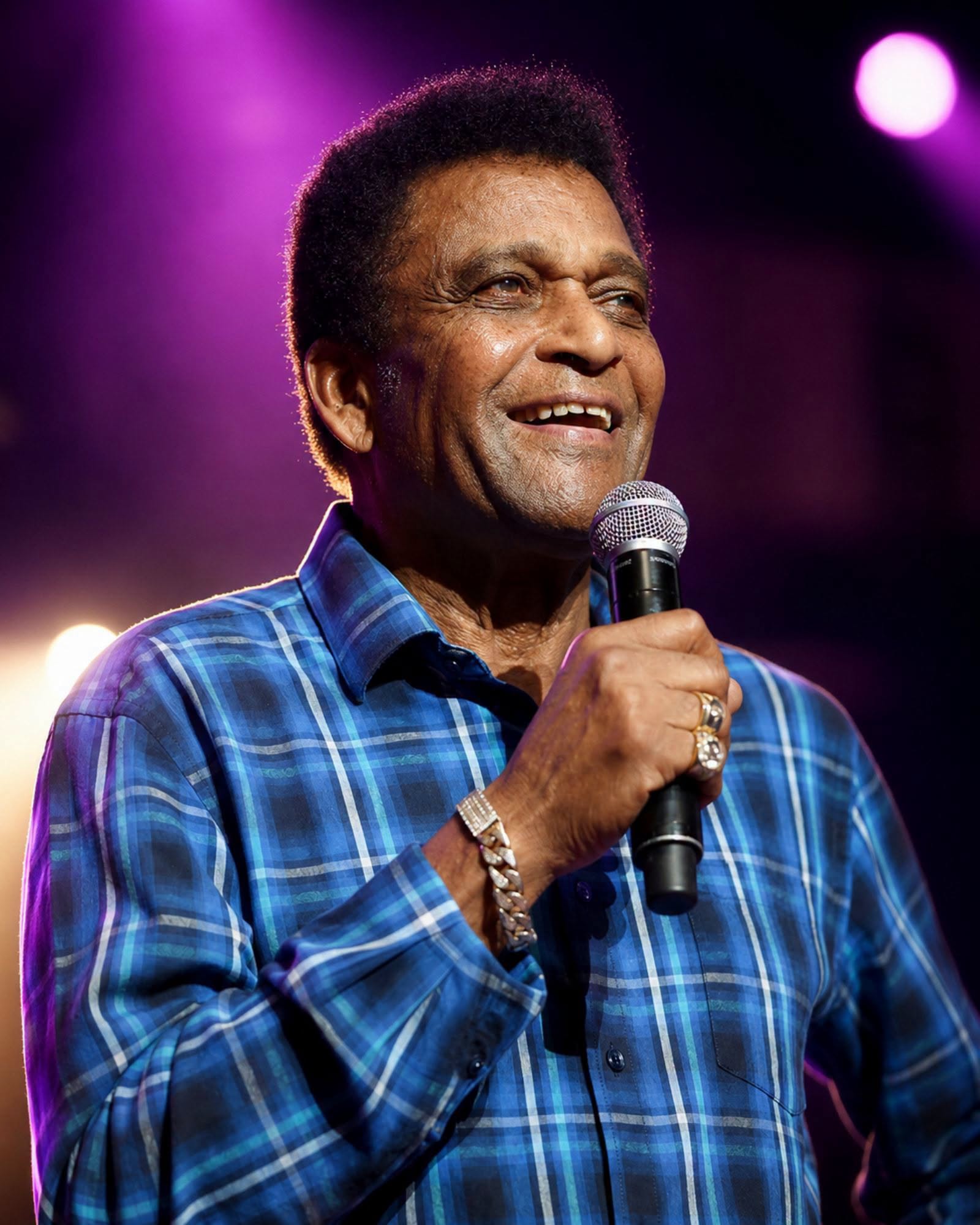
Eight Months After Charley Pride Died, Country Music Showed Up for Him
Charley Pride died on December 12, 2020, at the age of 86, leaving behind a career that changed country music in ways that still feel deeply personal to fans and artists alike. He was more than a hitmaker. He was a barrier-breaker, a steady voice, and one of the genre’s most beloved performers. Across his career, Charley Pride earned 29 No. 1 country hits, a remarkable run that made his name impossible to separate from the history of the music itself.
Then, on August 25, 2021, country music gathered to honor him with a special devoted to his life and songs. It was the kind of tribute that did not feel formal or distant. It felt like a room full of artists saying thank you the only way they knew how: by singing.
George Strait was there. Alan Jackson was there. Garth Brooks, Darius Rucker, Luke Combs, Mickey Guyton, Gladys Knight, and Wynonna were among the performers who came together for the night. They did not arrive to celebrate their own catalogs. They came to carry Charley Pride’s music forward, one song at a time.
A Tribute Built on the Songs
One of the most memorable moments came when George Strait performed “Is Anybody Goin’ to San Antone”, the song Charley Pride had taken to No. 1 in 1970. It was a fitting choice. The song had long been part of Pride’s legacy, and in Strait’s hands, it became something larger than a cover version. It became a reminder that great songs do not disappear when the original singer is gone.
The tribute resonated because it was built on respect, not nostalgia alone. Charley Pride had opened doors for generations of artists, and the people on that stage understood that his influence was not confined to the past. His music had lived long enough to become shared history.
Another Award for a Song That Outlived Its Moment
In 2022, the tribute found an unexpected second life when George Strait’s performance of “Is Anybody Goin’ to San Antone” won CMT Performance of the Year. That win gave the night a powerful coda. Charley Pride had been gone for more than a year, yet one of his songs was still drawing applause, still earning recognition, still proving that his work could travel across time without losing its heart.
That is what made the moment so moving. It was not just an award for a performance. It was a quiet victory for a legacy that refused to fade. Charley Pride had already secured his place in country music history, but this tribute showed something even more lasting: his songs were still alive in the voices of others.
Sometimes the singer leaves. The music keeps collecting the applause.
For Charley Pride, that was not a footnote. It was the final proof of a career built to last.