Six Years After Charley Pride Passed Away, His Greatest Inheritance Was Not Written in a Will
On December 12, 2020, Charley Pride died in Dallas, Texas, at age 86 from complications related to COVID-19. He left behind a country music legacy that was already larger than life: three Grammy Awards, a place in the Country Music Hall of Fame as its first Black member, and a career that sent hit after hit to the top of the charts. But the part of Charley Pride that stayed closest to home was not a trophy or a title. It was the voice.
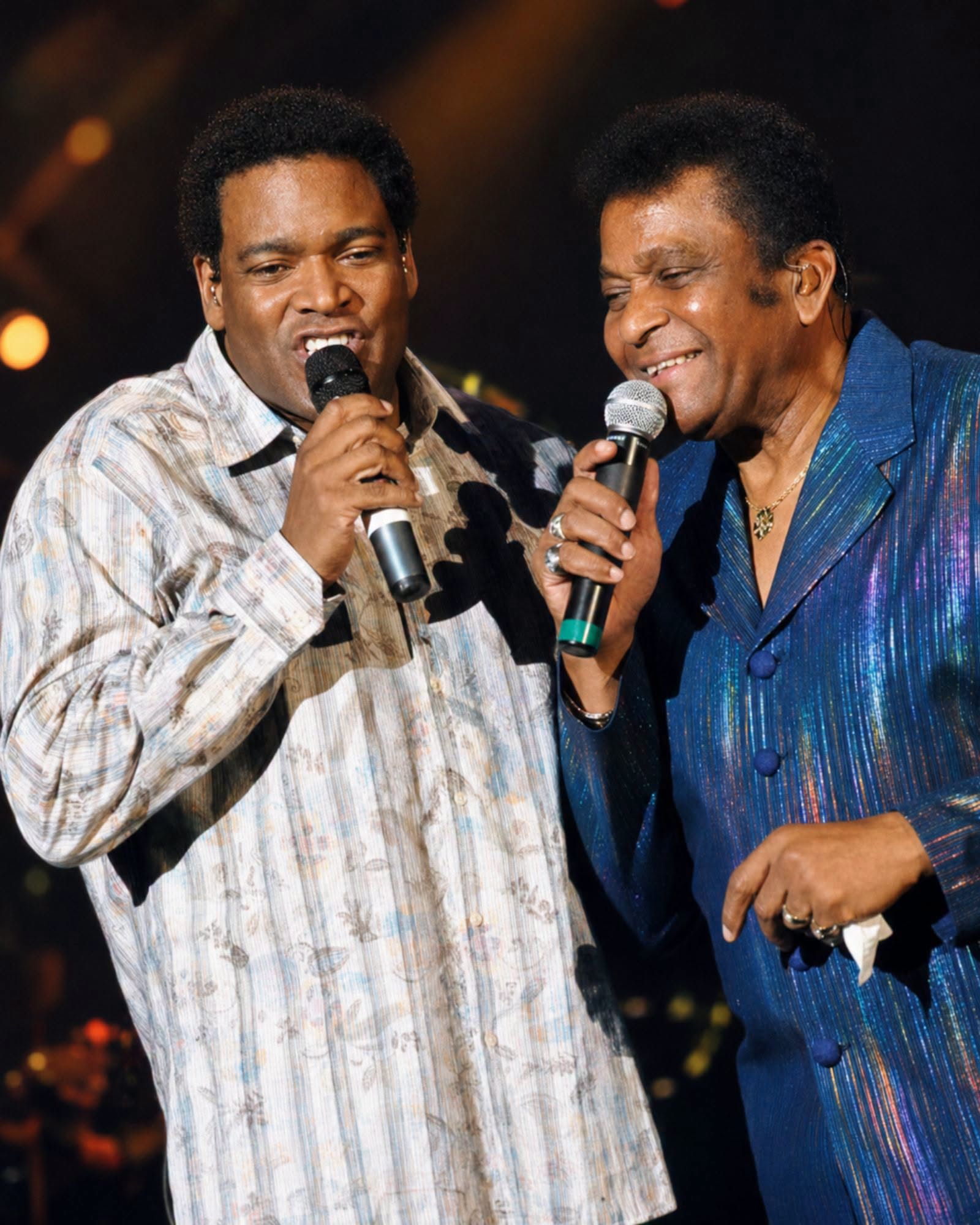
That voice lived on in Dion Pride, his son, who grew up hearing the warm, low baritone that made Charley Pride instantly recognizable. Dion did not just admire that sound from a distance. He traveled with his father, watched him work a room, and saw how Charley Pride prepared before a performance. That kind of education cannot be handed down on paper. It is learned in the wings, in the van, backstage, and in the quiet moments before the lights come up.
“I never got tired of hearing my dad’s voice.”
There is something moving about the way talent can echo through a family without being copied exactly. Dion Pride did not become Charley Pride. He became the son who carried part of that sound forward. The resemblance was never only physical or musical. It was emotional, too. Charley Pride was a father and a guide, and Dion Pride often seemed to speak about him with the gratitude of someone who understood how rare that bond was.
Even after Charley Pride’s passing, the story kept unfolding. In 2025, Charley Pride’s long-lost album Endlessly: A Tribute to Brook Benton was released, and another collection, Cover Story, brought more previously unreleased recordings into the light. Later that year, Charley Pride was also inducted posthumously into the Music City Walk of Fame in Nashville, a reminder that his influence still mattered where country music remembers its giants.
For fans, those moments were more than archival events. They were proof that Charley Pride’s career was still speaking, even after his death. And for Dion Pride, they were surely something deeper: a public acknowledgment that the voice he grew up with had not vanished at all.
It had changed form. It had entered memory, records, and family.
Some fathers leave behind property. Some leave behind stories. Charley Pride left both, but he also left something harder to measure: a tone, a feeling, a musical inheritance that continued to breathe in Dion Pride’s chest. That may be the most human legacy of all.