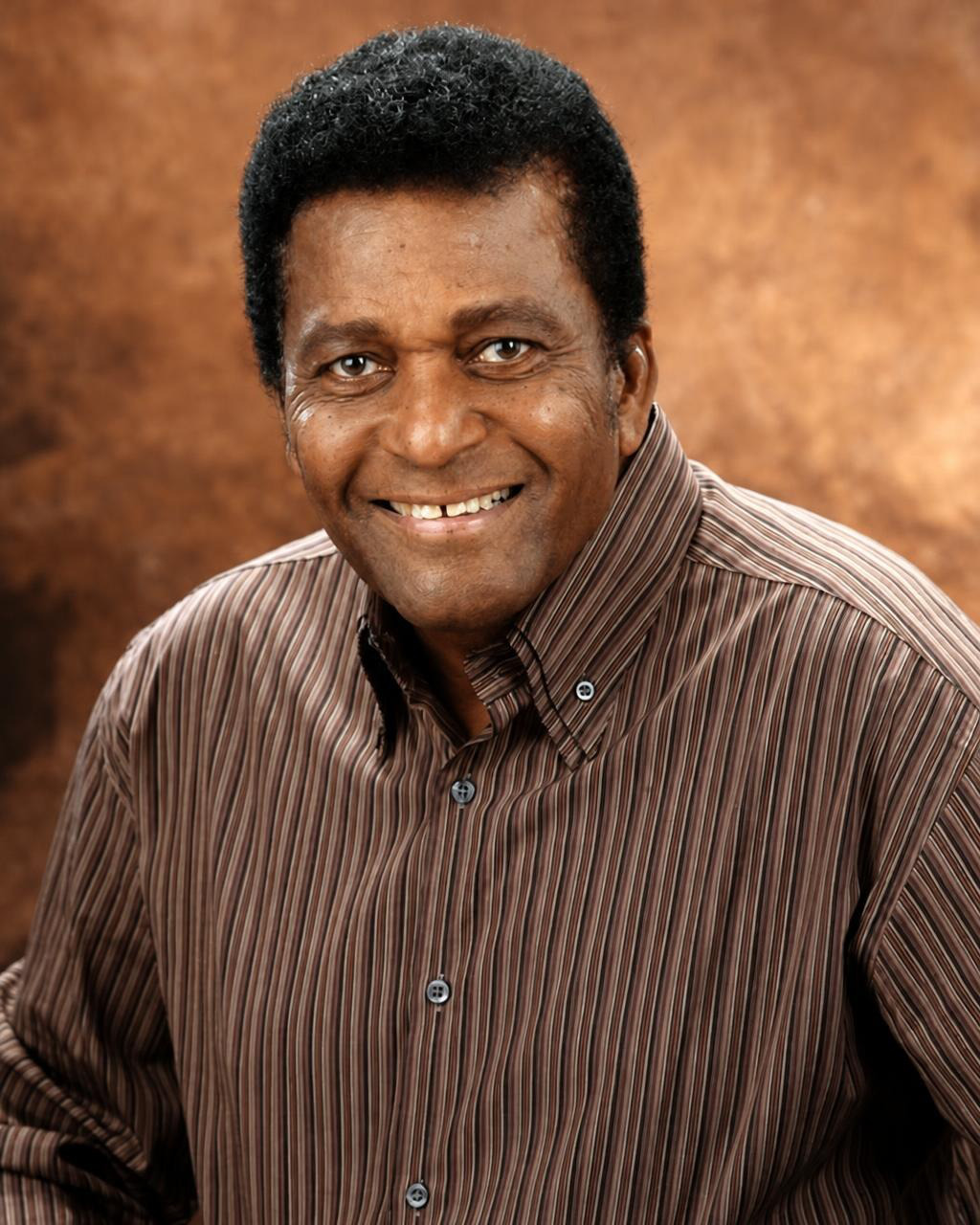
Charley Pride Left Quietly, But Country Music Never Let Him Leave
They held a private wake for Charley Pride in Dallas. No open doors. No public ceremony. In the middle of a pandemic, the man who once filled arenas was given a farewell that had to stay small, even if his life had been anything but. Charley Pride died on December 12, 2020, at age 86, only weeks after his last public appearance on the CMA Awards stage.
That final public moment came on November 11, 2020, when Charley Pride performed “Kiss an Angel Good Mornin’” with Jimmie Allen. He told the audience he was “nervous as can be,” a line that made the night feel intimate instead of grand. Looking back now, it reads like a quiet goodbye hidden inside a celebration.
A Career That Changed the Shape of Country Music
Charley Pride’s story was already historic long before that last stage appearance. He earned 29 No. 1 country hits and became country music’s first Black superstar. His success at RCA was extraordinary; only Elvis Presley sold more records for the label. He was also a CMA Entertainer of the Year and a major force in opening doors that had been closed for too long.
But Charley Pride never seemed interested in making his own legend the center of the room. He carried himself with calm, with discipline, and with the kind of dignity that let the music speak first. That was part of why so many artists, across generations, felt they had lost not only a star, but a guide.
The Tributes Came From Every Corner
After Charley Pride died, the tributes were immediate and deeply personal. Dolly Parton called him one of her dearest and oldest friends. Darius Rucker said heaven had gained one of the finest people he knew. Their words did not sound like industry statements; they sounded like grief from people who had truly loved him.
Jimmie Allen, who shared that final CMA stage with Charley Pride, later said the impact was bigger than one career. He pointed out that without Charley Pride, there might not have been room for Darius Rucker, Jimmie Allen, Kane Brown, or other Black country artists finding their place today. That was the truth Charley Pride lived into, even when he never tried to claim credit for it.
A Tribute Worth the Wait
Eight months later, CMT honored Charley Pride with CMT Giants: Charley Pride, bringing Garth Brooks, George Strait, Luke Combs, Alan Jackson, and Gladys Knight together for a night that matched the scale of his influence. Charley Pride’s widow, Rozene, said he would have been so happy. It was a reminder that even when the farewell was delayed, the gratitude was still alive.
Charley Pride changed country music without turning it into a speech. He did it by singing, by showing up, and by refusing to make a big deal out of something the world should have noticed long ago. In the end, that may be the most powerful part of his story. He never asked for more than the song. Country music gave him its heart anyway.