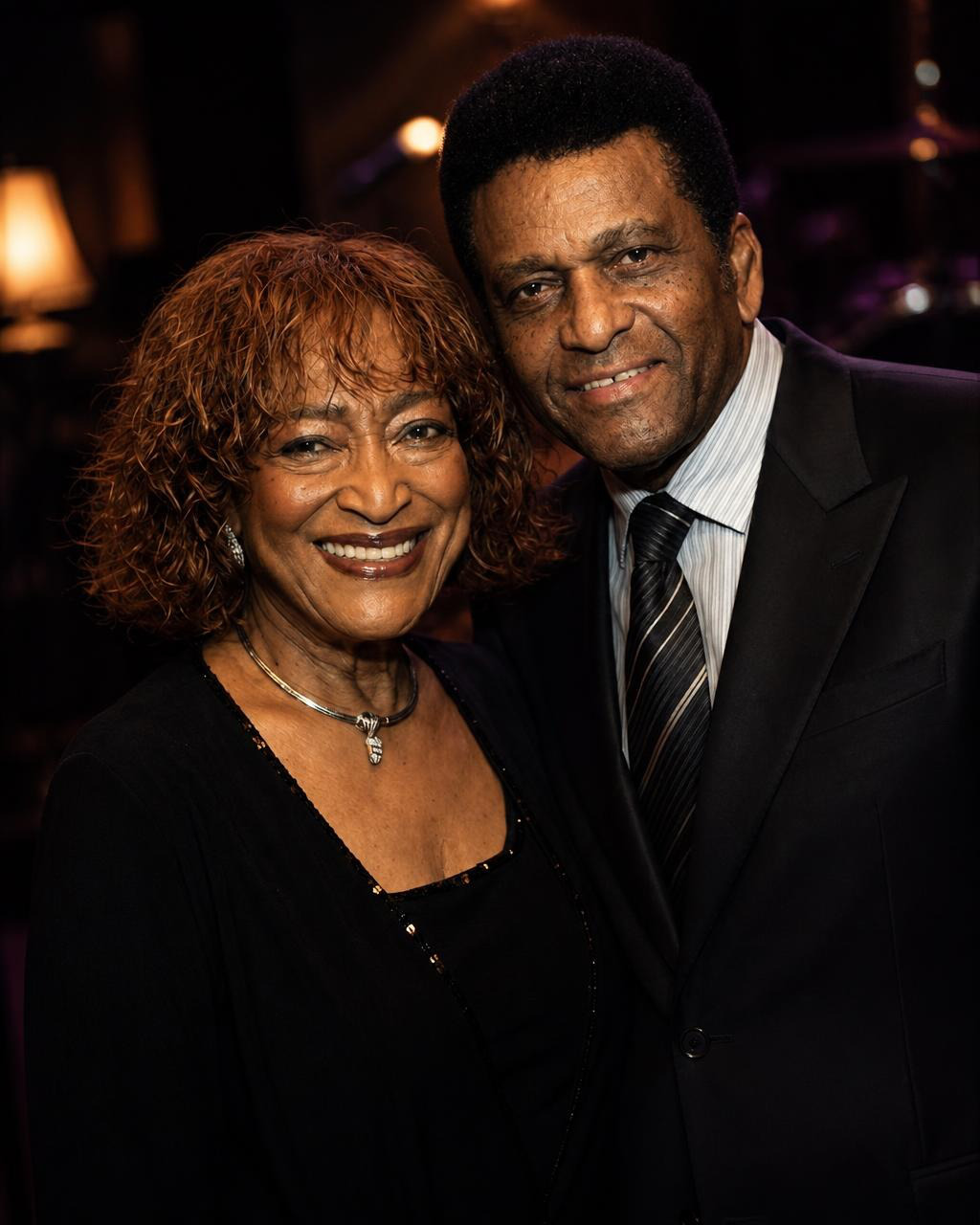
Charley Pride, the Silence Behind the Spotlight
In 1968, Charley Pride came off a USO tour and landed in a hospital with a problem nobody in the crowd would have guessed. He could not sleep. He was seeing things that were not there. The diagnosis was manic depression, and the advice he received was blunt: he would need medication for the rest of his life. Charley Pride said no. He went back to work.
At that point, Charley Pride was already becoming one of country music’s biggest names. He was RCA’s best-selling artist after Elvis Presley, and his voice was filling theaters, radio stations, and living rooms across the country. On the outside, the story looked simple: hit records, awards, applause. Inside, it was different. Charley Pride later wrote about that struggle in his 1994 autobiography, where he described the fear, the denial, and the long road toward acceptance.
A Life Built on Distance and Discipline
Long before the fame, Charley Pride had already lived several lives. He met Rozene in Memphis during the years when he was playing baseball in the Negro leagues, and their marriage became one of the steady points in his life. That stability mattered, especially when the storms returned. Charley Pride’s account of his own life makes clear that Rozene could often tell when something was wrong before anyone else could. That kind of knowing is not dramatic; it is intimate, and it can be the difference between hiding and facing the truth.
Charley Pride’s career kept moving forward even when his personal life was unsettled. He earned major honors, including CMA Entertainer of the Year, and he built a catalogue that included dozens of top-ten records. The public saw the polish. The private reality was more complicated.
The Turning Point
The symptoms returned in 1982, and Charley Pride finally began taking lithium. But the story did not end neatly there. When he developed a skin rash, he believed the pills were to blame and stopped taking them. Another episode followed in 1989. That moment changed the argument. After that, Charley Pride wrote that he took the lithium regularly for years and the episodes stopped.
What stands out about Charley Pride’s story is not only the success, but the honesty that came later. He did not erase the hard parts. He put them in the record.
What He Left Behind
Charley Pride died in December 2020 at age 86. By then, the achievements were well known: the hit songs, the awards, the historic place he held in country music. But the deeper part of his legacy may be something quieter. He showed that success does not cancel struggle, and that asking for help can come late without being too late.
Charley Pride’s life was public in all the usual ways, but his most important victory may have been private. After years of refusing the diagnosis, he finally accepted what he needed. That choice did not change the past, but it gave the future a chance.