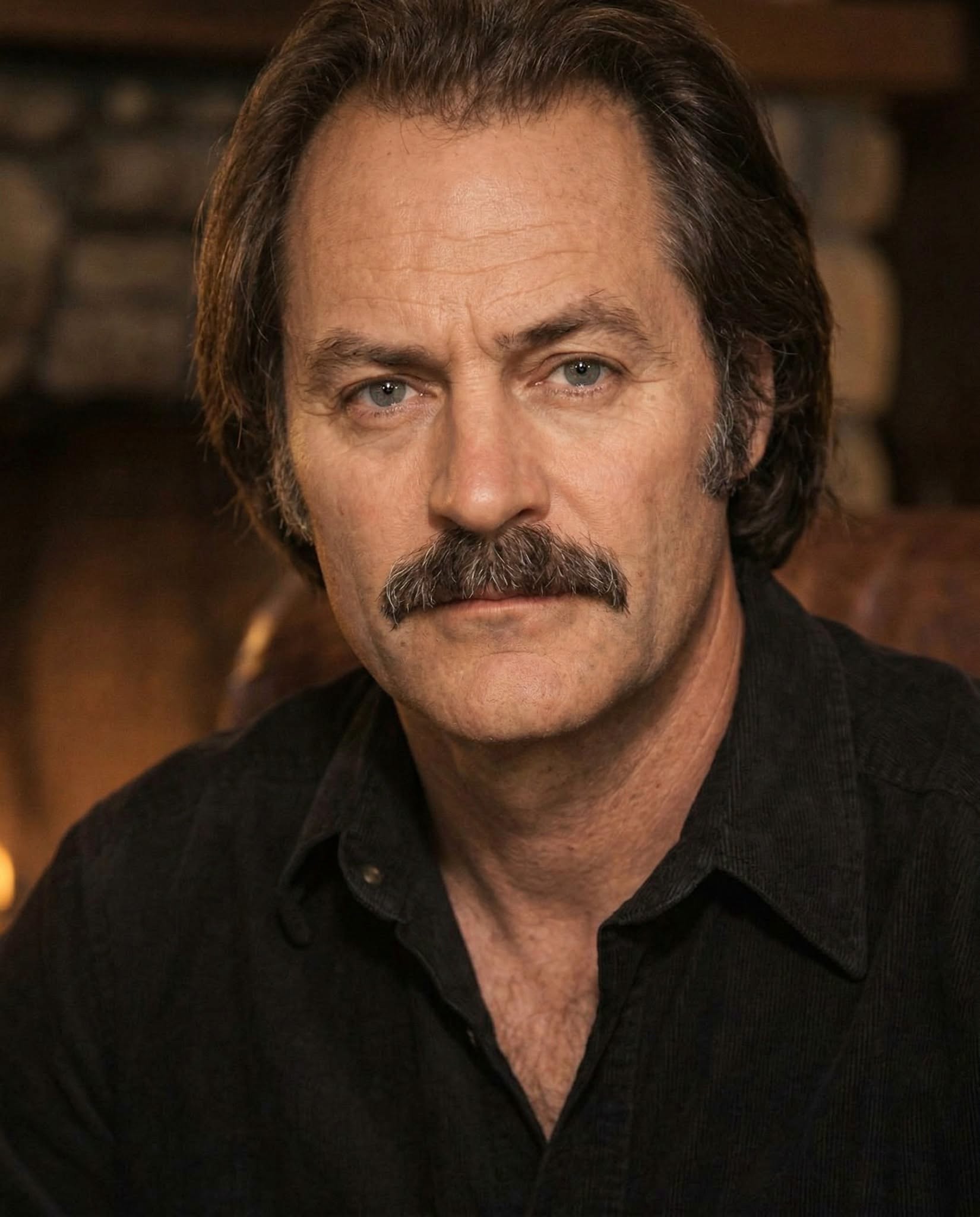
The Saddest Voice Country Music Ever Trusted
Vern Gosdin never needed to shout to be heard. His voice arrived quietly, almost carefully, as if it had already been through too much to waste energy proving itself. Then it would bend, crack at the edge of a line, and leave a hurt hanging in the air that felt deeply human. That was the power of Vern Gosdin: he did not sing around heartbreak. He sang straight through it.
Born in Woodland, Alabama, in 1934, Vern Gosdin grew up singing in church before heading west and finding his way into the California country scene. He worked beside his brother Rex in the Gosdin Brothers, then later sang harmony with artists who helped shape the sound that would become country rock. For a while, the road looked promising. Then the business moved on without him, and Vern Gosdin stepped away from music for a time to work in Atlanta. It was the kind of pause that might have ended a career for good.
But some voices refuse to stay silent.
When Vern Gosdin returned, country radio was ready for something older, sadder, and more honest. He was past forty when the industry started paying attention again, and past fifty when it finally seemed unable to ignore him. The late bloom did not make the songs lighter. It made them sharper. Vern Gosdin sang like a man who had lived every line before he found it on the page.
The songs that made the pain unforgettable
“Set ’Em Up Joe” became a No. 1 country hit in 1988, and it worked because it was not just a drinking song. It was a tribute to tradition, to Ernest Tubb, and to the old barroom world that country music has always carried in its pockets. Then came “Chiseled in Stone,” a song co-written with Max D. Barnes that won major recognition and remains one of the most haunting records in Vern Gosdin’s catalog. It did not ask listeners to admire sadness. It asked them to sit with it.
“Today My World Slipped Away” kept living after Vern Gosdin first cut it, especially when George Strait recorded his own version years later. That is part of what made Vern Gosdin different: his songs did not disappear after the chart run ended. They stayed open, like wounds that never fully closed.
“The sad songs are the ones that tell the truth best.”
Vern Gosdin earned the nickname “The Voice,” but the title never really meant volume. It meant control, ache, and the rare ability to sound broken without ever sounding weak. He could hold a note just long enough to make it hurt. He could let a phrase tremble and turn that tremble into meaning.
A legacy built on restraint
Vern Gosdin died on April 28, 2009, at the age of 74. By then, his reputation had already settled into something permanent. He was not the loudest star in country music, and he was never built for glamour. He was built for honesty. That is why so many fans still return to his records when they want a song that feels less like entertainment and more like confession.
In a genre full of big personalities, Vern Gosdin stood apart by doing less and revealing more. He trusted silence, hurt, memory, and the tiny break in a voice that says what words cannot. Long after the applause faded, that was the thing people remembered: Vern Gosdin sang like a man who knew sadness well, and never lied about it.