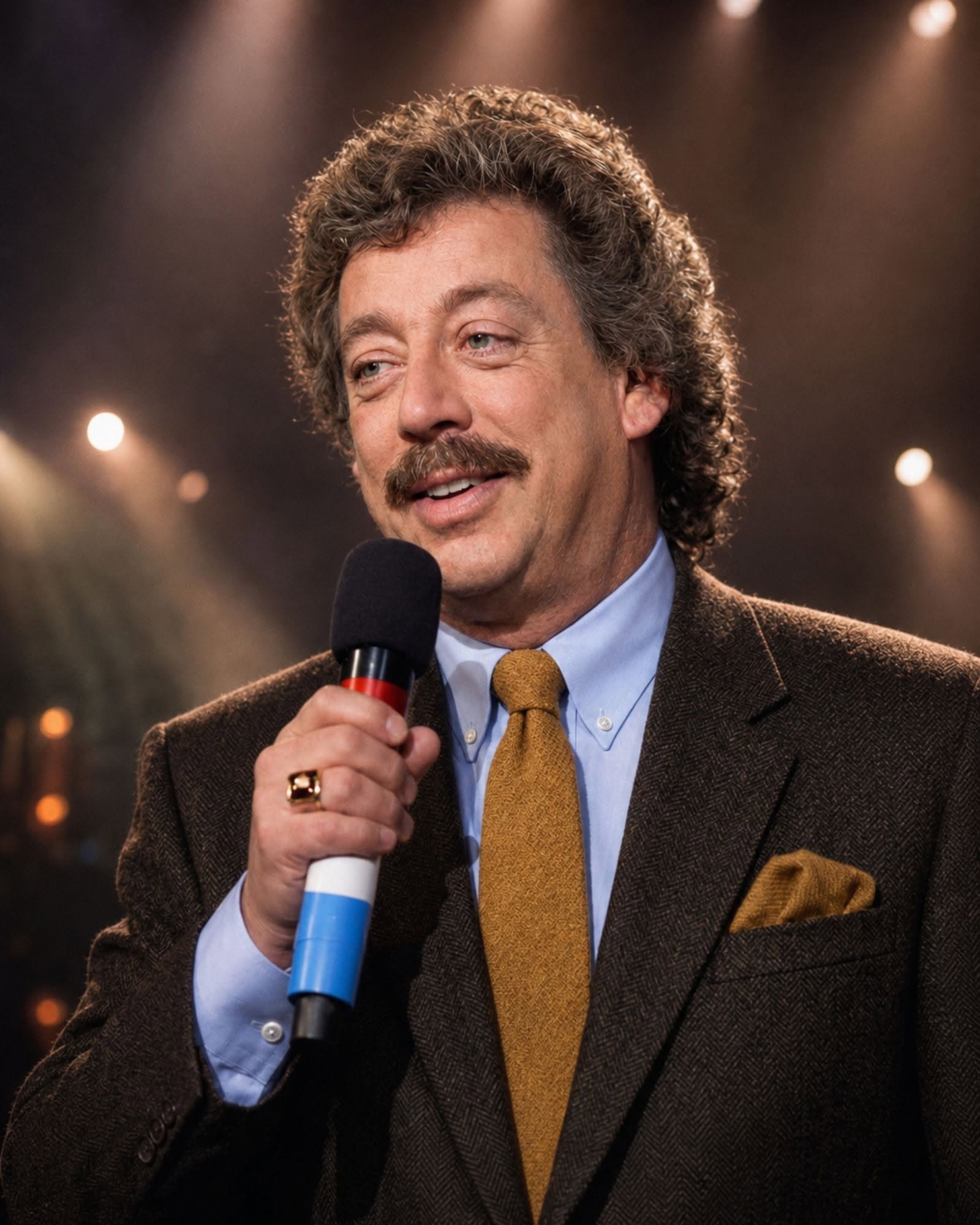
Nobody Becomes a Legend by Standing at the Bottom of a Harmony. Except Harold Reid.
There are singers people remember for the note they hit, and then there are singers people remember for the feeling they created under the note. Harold Reid belonged to the second kind. As the bass voice of The Statler Brothers, Harold Reid did not always stand at the front of the spotlight, but he gave the group its weight, its humor, and its heartbeat. The Statler Brothers themselves later described Harold Reid as a beloved bass singer, songwriter, and humorist, and that mix of talents was exactly what made him unforgettable.
The Voice Beneath the Song
The Statler Brothers were formed in Staunton, Virginia, and became one of the most decorated acts in country music history. Their lineup included Don Reid on lead, Harold Reid on bass, Phil Balsley on baritone, and later Jimmy Fortune on tenor. That blend gave the group a sound that felt clean, steady, and deeply human. Harold Reid’s bass was not just another part of the arrangement. It was the foundation that let everything else stand taller.
People often came for the melody, but they stayed for the personality. Harold Reid had a way of stepping into a performance with a joke, a grin, or a perfectly timed aside, then turning serious the moment the harmony began. That contrast made The Statler Brothers feel warm instead of polished, familiar instead of distant. It is one reason their music still feels alive decades later.
More Than a Bass Voice
Harold Reid died on April 24, 2020, at age 80, after a long battle with kidney failure. The news hit fans hard because it felt like the end of something larger than one man. Jimmy Fortune, who sang with The Statler Brothers for years, shared the words, “Our hearts are broken tonight,” capturing the plain grief of a group losing one of its central voices.
And yet the sadness was matched by gratitude. Harold Reid had spent a lifetime helping create music that held together faith, family, and small-town storytelling. The Statler Brothers won major honors, filled stages for decades, and left behind songs that still carry weight because they were built on real voices singing real feelings. Harold Reid’s bass was part of that architecture, even when listeners could not name exactly why it moved them.
What Remains
Some legends are remembered for standing above everyone else. Harold Reid became a legend by standing underneath the song and making it strong enough to last. That is a rarer kind of fame, and maybe a better one. He gave The Statler Brothers their floor, their humor, and their soul. When the harmony rose, Harold Reid was already there, holding it up.
Harold Reid did not just sing bass. Harold Reid made the whole group sound like home.