Loretta Lynn and the Song That Refused to End
Loretta Lynn’s life was never built on easy breaks. She came from Butcher Hollow, Kentucky, married at 15, and raised four children before turning 20. Long before she became a legend, Loretta Lynn was already living the kind of hard, complicated truth that later gave her songs their power. She did not just sing about women’s lives. She had lived them.
By the time Loretta Lynn reached her mid-80s, she had already earned a place in country music history that no setback could erase. But in May 2017, a stroke forced her to cancel the rest of her concerts and pushed back the release of Wouldn’t It Be Great. For many artists, that kind of pause would have marked the beginning of the end. For Loretta Lynn, it became another chapter in a life defined by returning.
Then came January 1, 2018. At her Hurricane Mills ranch, Loretta Lynn fell and broke her hip. Recovery started all over again, and the road ahead suddenly looked longer than anyone wanted to imagine. But Loretta Lynn was never the kind of woman who let one bad year decide the whole story.
“I wasn’t goin’ to let it stop me,” Loretta Lynn later said. “You just can’t sit down and say, ‘Hey, take me.’”
That stubbornness was part of what made Loretta Lynn unforgettable. She had spent her career writing and recording the truths many women in country music had never heard sung aloud. She gave voice to marriage, motherhood, desire, frustration, and resilience with a directness that still feels fresh. Even after the stroke and the broken hip, Loretta Lynn kept moving toward the music.
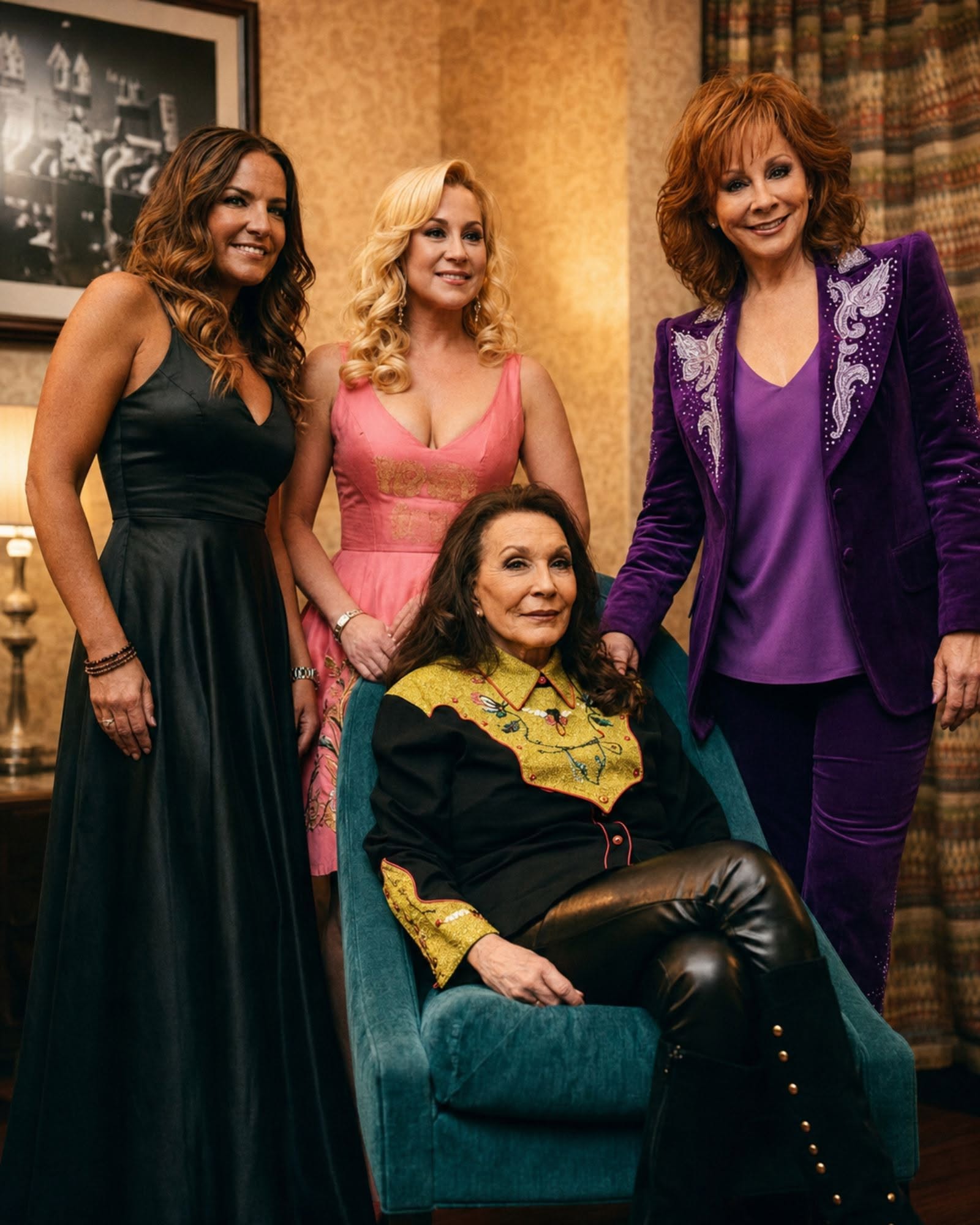
On March 19, 2021, Loretta Lynn released Still Woman Enough, her 50th studio album, not counting her duet albums with Conway Twitty. The title track, co-written with her daughter Patsy Lynn Russell, brought Loretta Lynn together with Reba McEntire and Carrie Underwood. Tanya Tucker joined Loretta Lynn elsewhere on the album, adding another layer of generational continuity to a record that looked back without feeling stuck in the past.
Still Woman Enough sounded like more than an album title. It sounded like a statement of survival.
Loretta Lynn died peacefully in her sleep at Hurricane Mills nineteen months later at age 90. The stroke changed the final years of her life, but it did not get the final word. That belonged to the music, and to the plainspoken courage that had carried Loretta Lynn from a coal camp girl to one of country music’s most enduring voices.
In the end, the story of Loretta Lynn was never just about illness or recovery. It was about persistence. It was about a woman who kept singing, kept writing, and kept insisting on her place. Still woman enough.