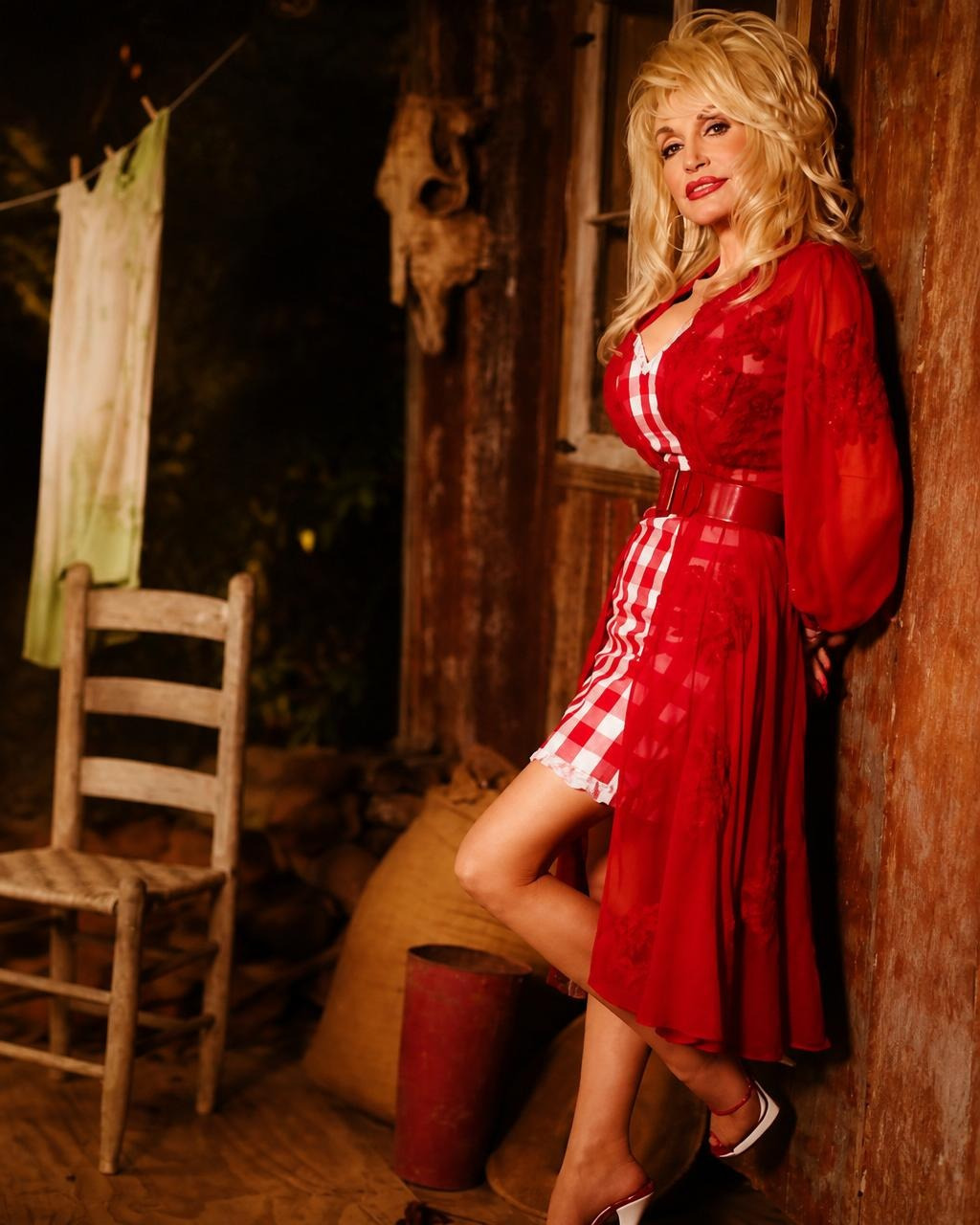
When Dolly Parton Brought Home More Than Success
In 1986, Dolly Parton made a promise that sounded simple, but it carried the weight of her whole story: if success ever came to the Tennessee hills that raised her, it had to give something back. That year, Dollywood opened in Pigeon Forge, and Dolly Parton’s name became part of a place rooted in the Smoky Mountains she had always called home. Over time, the park grew into one of Sevier County’s biggest employers, turning a dream into steady work for local families.
For years, that promise could be measured in jobs, visitors, and growth. But the deepest test came in late November 2016, when wildfires tore through the Gatlinburg area and the Great Smoky Mountains. The damage was devastating: 14 people died, and thousands of buildings were destroyed or damaged. For neighbors who had lost everything, the future suddenly felt uncertain and far away.
The Response Came Fast
Within 48 hours, Dolly Parton’s foundation launched the My People Fund. The plan was direct and deeply human: $1,000 a month for six months to every family that had lost its home, whether they rented or owned. There were no restrictions on how the money had to be spent. That mattered. It meant families could decide for themselves whether they needed rent, food, clothes, gas, or a little breathing room while life was being rebuilt.
Over the following months, 921 families received those checks. The numbers were large, but the meaning was even larger. This was not a publicity gesture. It was a neighbor reaching into her own community and saying, stay, breathe, begin again.
The Last Check Was Bigger
In May 2017, Dolly Parton returned to personally hand out the final payment. It was not the usual $1,000. It was $5,000. By then, the total amount placed directly into families’ hands had reached $8.9 million. Later, Dolly Parton gave $3 million more to continue recovery efforts.
“Dolly didn’t just come home. She made it easier for everyone else to stay.”
That idea is what makes this story last. Dolly Parton’s connection to East Tennessee was never only about image or nostalgia. It was about responsibility. She built something that created jobs, but when disaster hit, she also built a bridge back to dignity. The My People Fund showed that home is not just where someone is from. Sometimes home is what you protect when life gets hardest.
What Remains
Years later, the memory of the fires still carries pain, but it also carries proof that generosity can move quickly when it is grounded in love. Dolly Parton’s promise, made in 1986, was never just about economic success. It was about making sure the people of Sevier County were not left behind when the lights came on.
That is why this story still resonates. Dolly Parton came back to the Tennessee hills, and when her neighbors needed her most, she did not ask for applause. She asked how to help. And then she helped in a way people could feel, month after month, family after family.