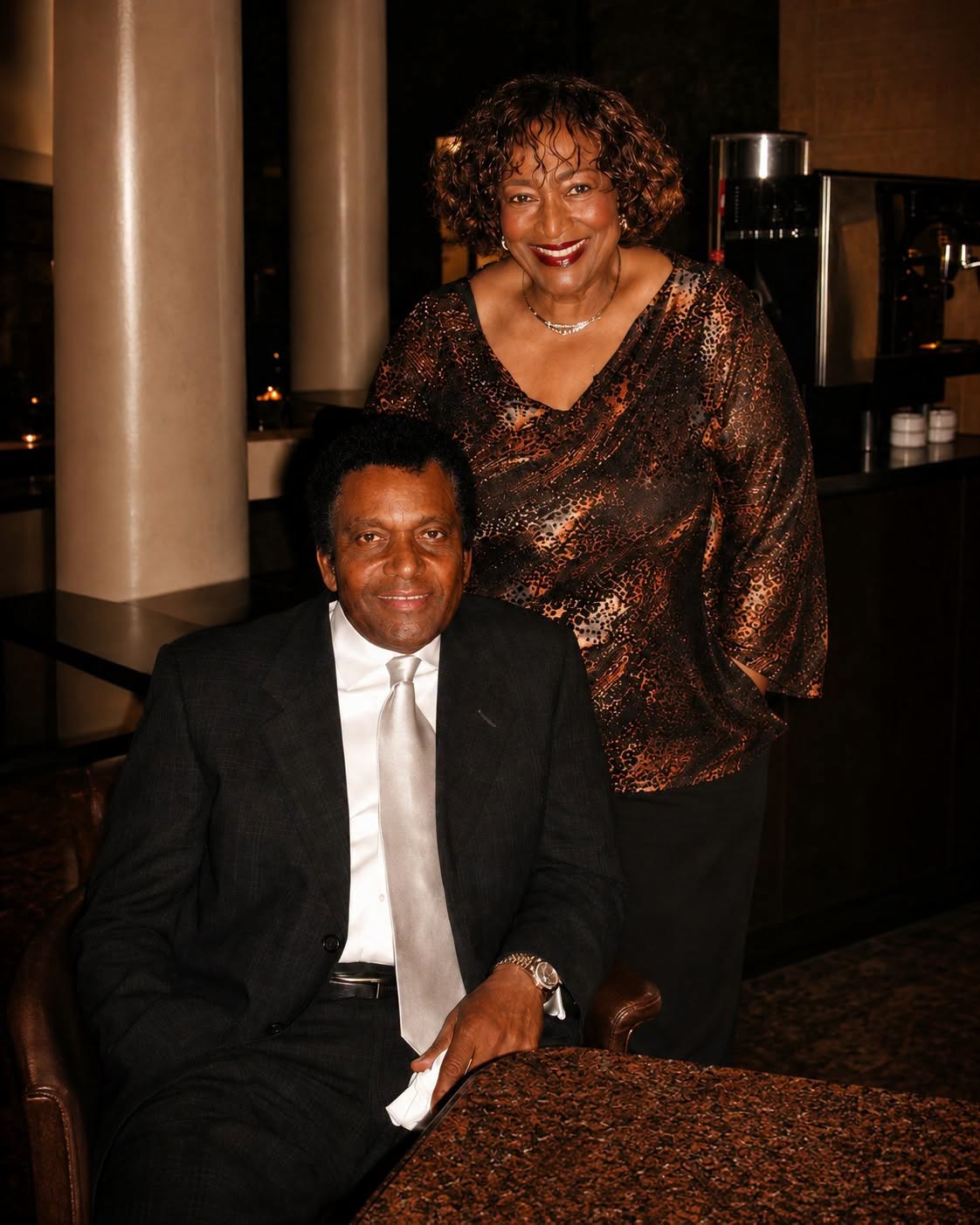
Charley Pride: The Voice, the Silence, and the Fight to Keep Singing
Before social media would have turned every private struggle into public discussion, Charley Pride carried his pain quietly. He was one of the biggest stars in country music, a man who sold more than 30 million records and earned 36 number-one hits. He was also RCA’s biggest seller since Elvis. Fans knew the voice. They knew the smooth delivery, the warmth, the confidence. What they did not know was how hard it could be for Charley Pride to make peace with his own mind.
Charley Pride was country music’s first Black superstar, and that alone made his rise remarkable. He walked into a world that was not always ready for him, yet he kept walking. Crowds lined up for hours to hear him sing. Radio stations played his songs over and over. He became a legend while still dealing with questions that had nothing to do with music and everything to do with survival.
A Career Built on Talent and Grace
Charley Pride did not become a star by accident. He worked, he traveled, he performed, and he gave people songs they could feel in their bones. His music had the power to make strangers feel like old friends. That kind of connection is rare, and Charley Pride had it in abundance.
But behind the curtain, there were nights when sleep would not come. There were stretches of paranoia and delusions that bent reality until even simple things felt uncertain. The pressure of fame did not help. Neither did the fear that admitting the truth might change how people saw him. For years, Charley Pride refused lithium because accepting help felt too much like admitting that something was broken.
“Some battles don’t need an audience. They just need someone brave enough to keep showing up.”
That quiet courage defined so much of Charley Pride’s life. He kept singing even when his thoughts turned against him. He kept working even when the burden inside him grew heavier. To the outside world, he looked steady. Inside, he was fighting for balance.
The Dallas Hospital Stay
In 1989, Charley Pride ended up in a psych ward in Dallas. There was no headline. No dramatic press conference. No carefully polished statement for the public. Just a man trying to find his way back to himself.
That moment could have been treated as an ending. Instead, it became a turning point. Charley Pride did not go there for fame. He did not go there for sympathy. He went because he needed help, and because at some point, holding everything inside stops being strength and starts becoming a risk.
People often imagine that stars live beyond ordinary human struggle. Charley Pride’s story reminds us that success does not cancel pain. Awards do not erase fear. Applause does not quiet the mind at 3 a.m. Sometimes the most powerful thing a person can do is accept that they need support.
Finding His Way Back
Charley Pride found his way back not for the records and not for the headlines. He found it for Rozene, for the music, and for himself. That mattered more than image. It mattered more than pride in the smaller, fragile sense of the word. He had a life to return to, and people who needed him present, not perfect.
Later, Charley Pride called the illness “my blessing.” His doctor agreed that manic depressives can sometimes see things others can’t, as long as the condition does not get out of hand. That statement does not make the illness easy, and it does not romanticize the struggle. It simply reflects something honest: even pain can teach, and even hardship can leave a person with deeper understanding.
Charley Pride’s story is not only about music history. It is about dignity. It is about the private cost of public success. It is about a man who kept standing under bright lights while carrying shadows no audience could see.
Why Charley Pride Still Matters
Years after his greatest chart victories, Charley Pride remained unforgettable because he was more than a performer. He was a reminder that resilience can look quiet. It can look like showing up again. It can look like choosing help. It can look like singing through fear.
In a world that often rewards confession as spectacle, Charley Pride took a different path. He did not build a story around suffering. He kept living. He kept recording. He kept his focus on the work and the people he loved. That restraint was part of his strength.
Charley Pride’s legacy is not just in the number-one hits or the record sales. It lives in the example he set: that a person can struggle, seek help, and still remain whole enough to keep creating. Some battles do not need an audience. They need courage, treatment, patience, and time.
And sometimes, as Charley Pride proved, they need a voice that refuses to stop.